



First Tasmanian devils born in mainland Australia in 3,000 years
Last year, we shared a story about the exciting return of the Tasmanian devil to mainland Australia after an absence of more than 3,000 years. Now, we’re happy to announce that the first new baby devils have been born in the refuge, bringing new hope about the fate of this endangered species. In Read More...

Over 100 endangered turtle hatchlings released after rescue from the cold
In early February, a nest of 113 endangered loggerhead turtle eggs was discovered on a beach in northern New South Wales, Australia, and reported to the National Parks and Wildlife Service. Because the eggs were laid late in the season, the conservationists feared that the turtles wouldn't be able Read More...
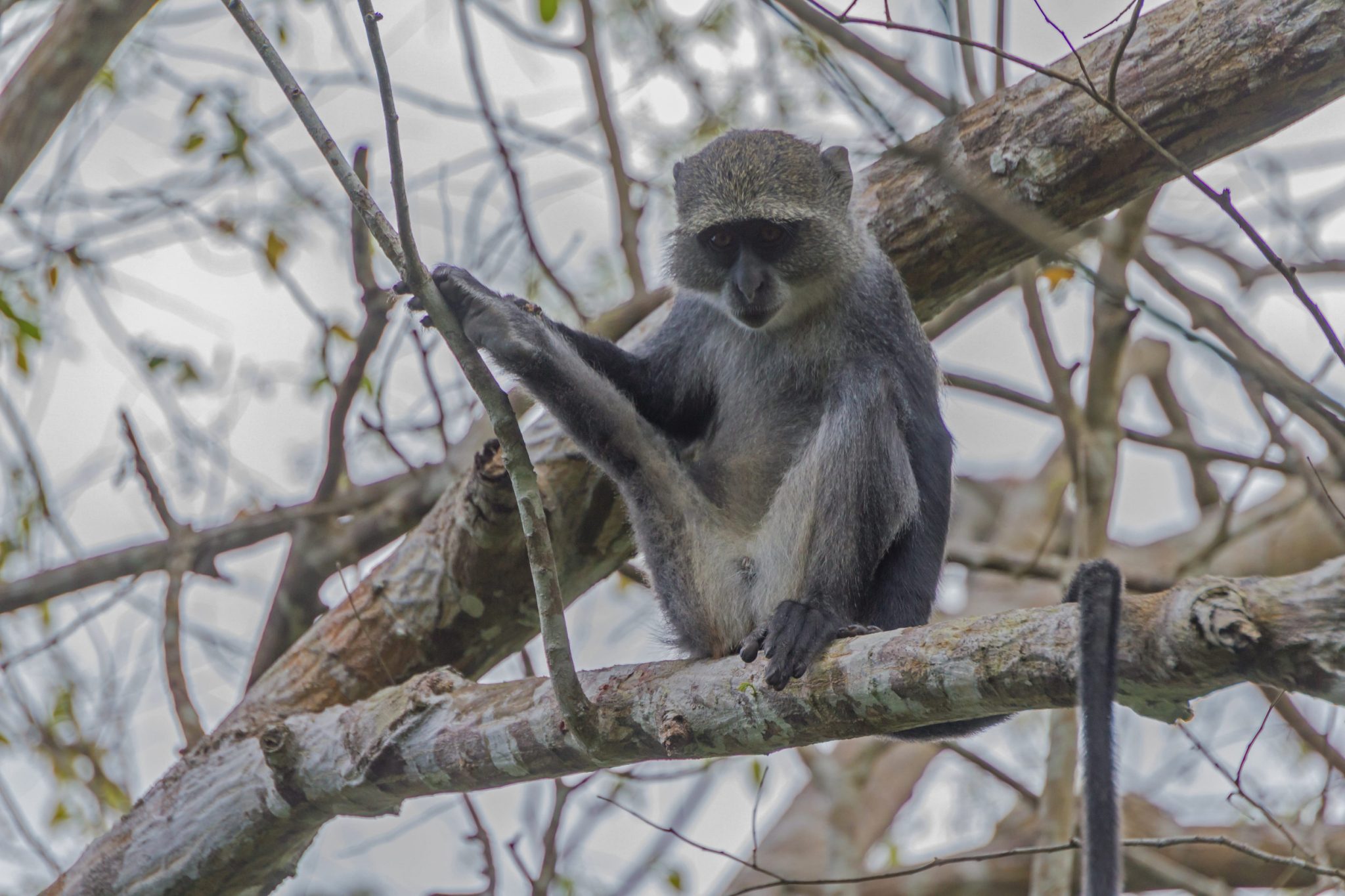
The simple solution protecting one of Africa’s rarest monkeys
The Zanzibar red colobus is an endangered monkey species native only to the Zanzibar archipelago, with precious few numbers to lose. About half of the primate’s population lives in the Jozani-Chwaka Bay National Park, where cars traversing a busy road endanger wildlife in the park. Since the Read More...

Otters are making a promising comeback in Alberta
Once thriving in southern Alberta, Canada, otters were nearly wiped out as a result of hunting and habitat destruction. Fortunately, the carnivores are now making an encouraging comeback in the region. As reported by naturalist Brian Keating, there has been an increasing number of otter sightings Read More...
Yurok Tribe to lead the reintroduction of condor in northern California
For the first time in 100 years, the endangered California condor is expected to once again soar the skies of the Pacific Northwest. The ambitious reintroduction effort will be led by the Yurok Tribe, whose ancestral land includes parts of Redwood National Park that were once home to the Read More...
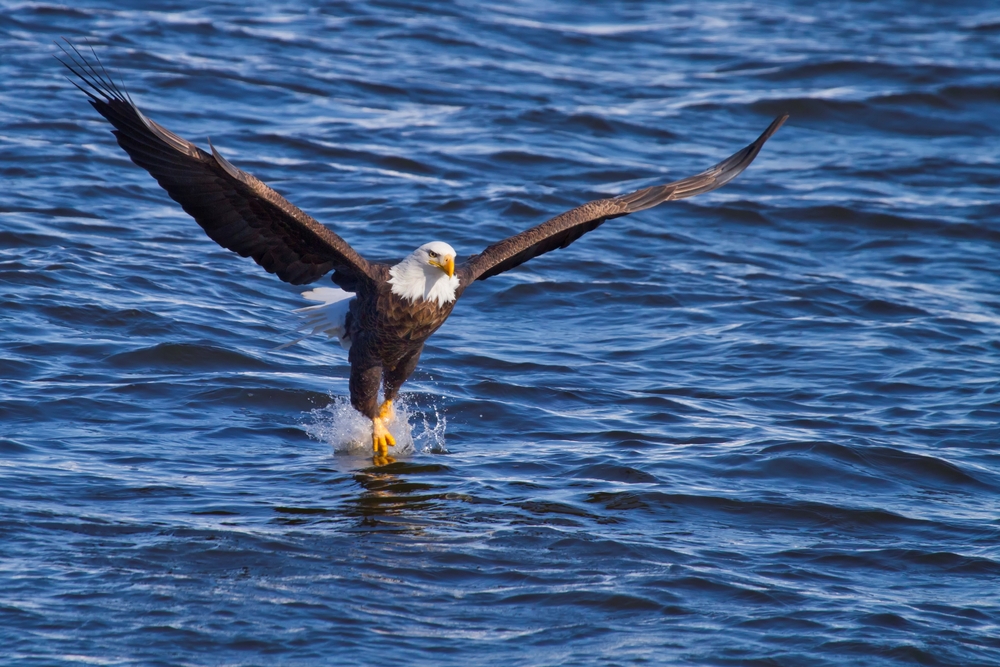
American bald eagle population has quadrupled over the last decade
In a major win for conservation efforts, the population of American bald eagles — once on the brink of extinction — has more than quadrupled in size since 2009. The good news was published in a recent report conducted by the US Fish and Wildlife Service, which said that there were over 316,700 Read More...

Conservationists release 36 endangered tortoises on Galapagos island
Following the introduction of predators, competitors, and vegetation change on the Galapagos’ San Cristobal island, the population of the endemic Chelonoidis chathamensis giant tortoise was reduced from 24,000 animals to about 600 in the early 1970s, pushing the species to the brink of Read More...
Bee species last seen almost a century ago found alive in Australia
A rare species of bee that was feared extinct has been spotted for the first time in almost a century. The elusive pollinator, endemic to Australia, was in the forests of north Queensland all along. The exciting discovery is the result of a widespread field search that was prompted after bee Read More...

This adorable ferret is the first endangered species ever cloned in the US
In an amazing feat for conservation efforts, researchers have successfully cloned a highly endangered ferret species using the cells of an animal that died more than three decades ago. Meet Elizabeth Ann, the black-footed ferret clone that marks the first time any native endangered species has Read More...

Conservationist wants to bring the dawn chorus back to life with tree frogs
Following widespread bird declines in recent years, the dawn chorus has gotten a lot quieter in UK’s woodlands. Now, one of the country’s most famous ‘rewilders’ wants to bring it back to life in a rather unusual way — breeding and releasing noisy tree frogs. Though common in other Read More...