



Hydrogel injection could cut muscle injury healing time by half
From enhancing skin regeneration to replacing damaged knee cartilage to making bone marrow transplants more successful, hydrogel technologies have incredible potential to improve the way we treat different medical conditions in patients. A recent breakthrough from scientists in Spain helps to Read More...

Scientists use durian waste to make antibacterial hydrogel bandages
While it’s rather uncommon to come across tropical fruits like durian at your local grocery store, these unusual fruits are quite popular in Singapore, where scientists have recently figured out a way to turn discarded durian husks into sustainable and affordable antibacterial hydrogel Read More...

New glaucoma treatment doesn't require surgery or daily drops
Glaucoma, the build up of pressure in the eye, is a serious disease that can lead to irreversible blindness. Currently, treatment options include daily eye drops and even surgery, but soon, hydrogel technology could significantly improve the ease of treatment for patients. Researchers from Read More...
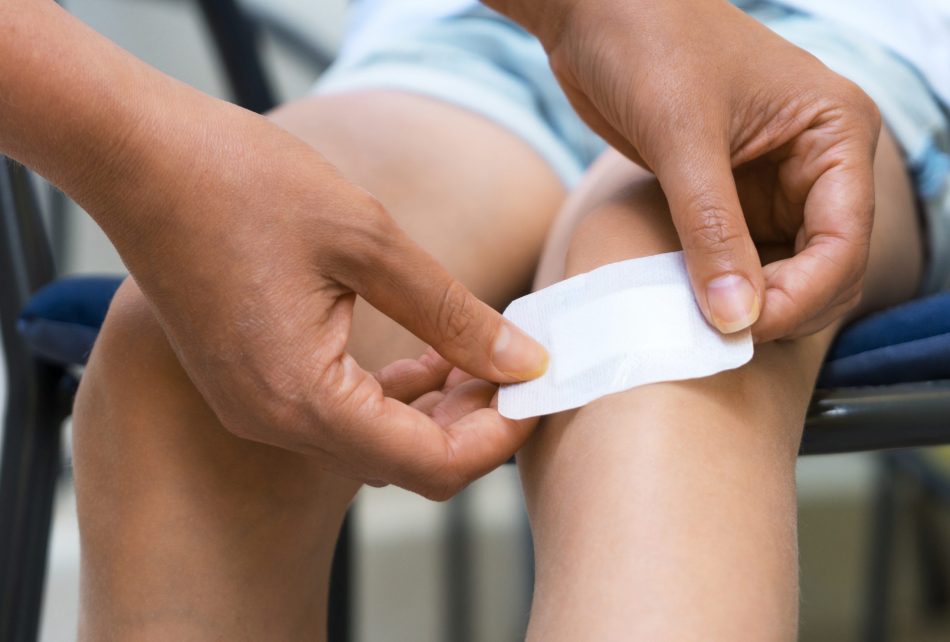
This hydrogel helps the skin heal without leaving behind scars
When you have an open wound, your body forms scar tissue as fast as possible to minimize the chance of infection while simultaneously reducing pain. This allows the wound to heal faster, but it can also leave a permanent scar on the body. On that note, scientists at Duke University have developed Read More...

Eco-friendly living concrete is made from a mix of bacteria and sand
Despite its remarkable properties as a building material, concrete has a dangerous environmental footprint. Cement - the main ingredient for making concrete - is solely responsible for 6 percent of the world’s human-made carbon emissions. And while researchers have sought alternative means of Read More...

This jelly-like material can heal itself just like human skin
Scientists from Australia have developed a jelly-like material that acts like living tissue. The jelly, which is known as hydrogel, is strong, malleable, and able to heal itself. That could be extremely important for healing people with damaged skin, ligaments, or bones. Hydrogels are 3D polymer Read More...

Hydrogel technology could help repair damage caused by heart attacks
Every year hundreds of thousands of Americans suffer a heart attack, with no established treatment for repairing the resulting damage to cardiac tissue. Fortunately, the advent of a recent technological breakthrough in the world of cardiac medicine may soon change that. Enter VentriGel – an Read More...

Scientists have created a “spray-on bandage” using the body’s own bacteria
If you get a cut on your skin, you stick a band-aid on it. But what if you get a wound in your gut? When doctors treat injuries to the intestines, they can't use patches or bandages, because these materials don't stick to the slippery intestinal walls. Now, a team from Harvard University has come Read More...