


Bullfrog protein could be antidote to shellfish poisoning
BY THE OPTIMIST DAILY EDITORIAL TEAM Paralytic shellfish poisoning, a severe and potentially fatal foodborne illness, has no specific antidote. The neurotoxin responsible, saxitoxin, is classified as a chemical weapon under international law. It causes nausea, tingling, and in bad cases the Read More...
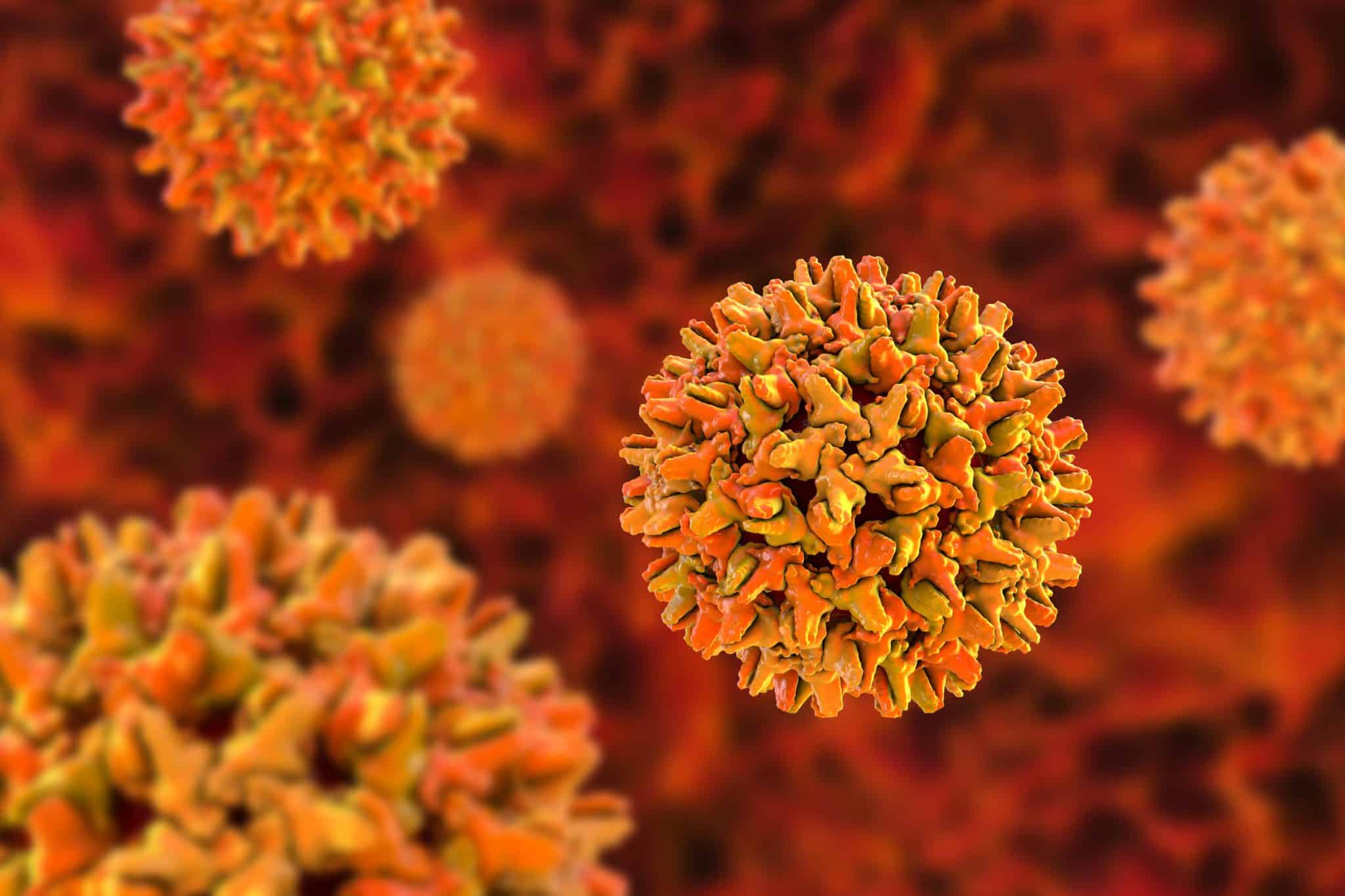
A new drug just cleared hepatitis B in 1 in 5 patients
BY THE OPTIMIST DAILY EDITORIAL TEAM A clinical trial published May 28 in the New England Journal of Medicine reports that a new drug called bepirovirsen achieved a functional cure in approximately one in five patients with chronic hepatitis B. That number matters. The current standard of Read More...
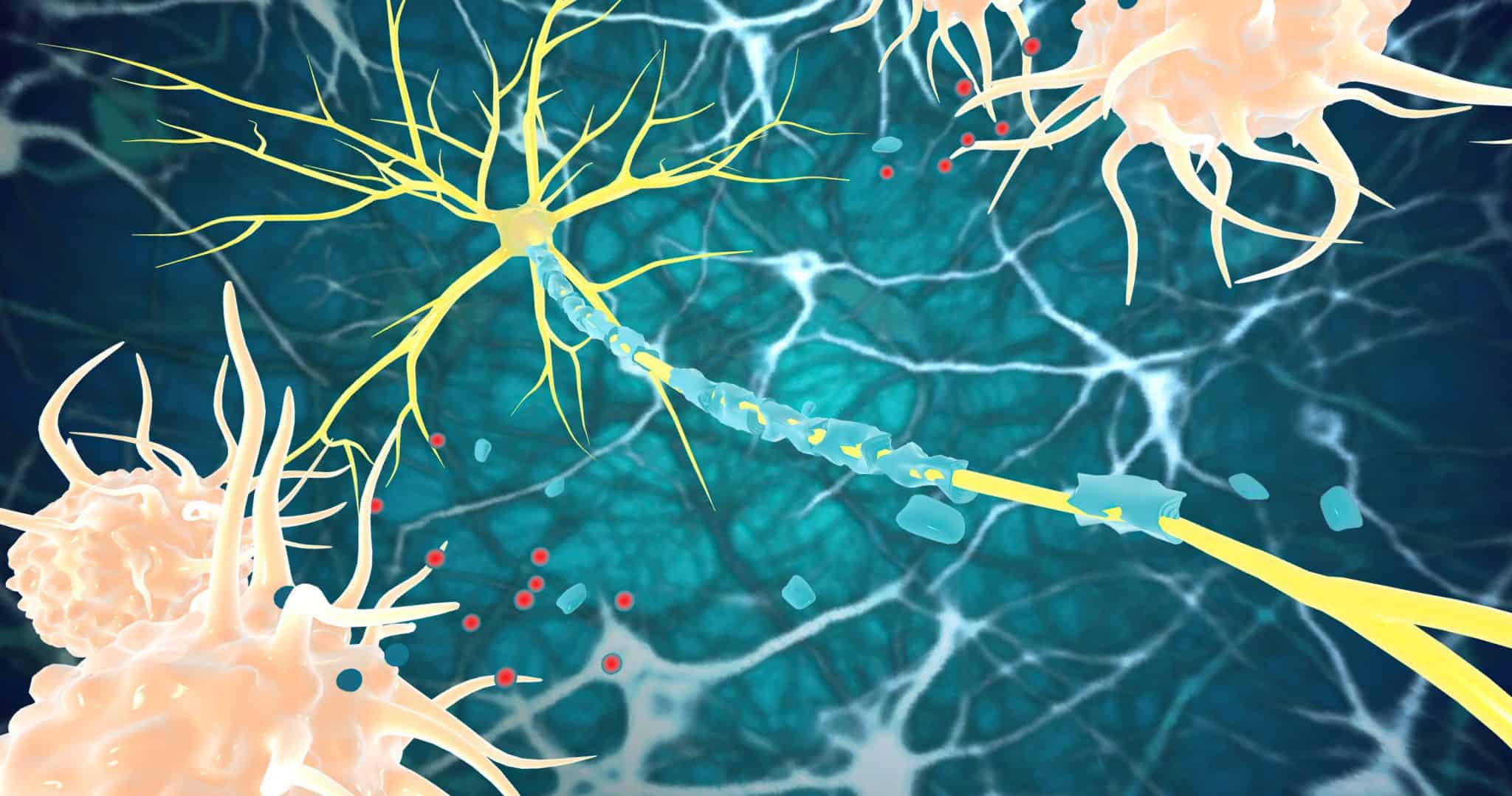
Two drug molecules achieve myelin repair in MS disease models
BY THE OPTIMIST DAILY EDITORIAL TEAM Every remyelination drug candidate tested in multiple sclerosis research has failed. A doctoral thesis from the University of Helsinki, defended earlier this month, reports two that didn’t. Tapani Koppinen, working in Associate Professor Merja Read More...

How a three-pill treatment could eliminate a centuries-old disease
BY THE OPTIMIST DAILY EDITORIAL TEAM For decades, the treatment for sleeping sickness was nearly as dangerous as the illness itself. One widely used intravenous drug caused a burning sensation in the veins and killed roughly one in 20 patients who received it. The oral replacement that followed Read More...

Sound wave device provides one-hour blood test results with a single finger prick
BY THE OPTIMIST DAILY EDITORIAL TEAM Blood tests are an important diagnostic tool for diagnosing disorders and monitoring health, but the procedure is not enjoyable; It is typically painful and time-consuming. Researchers at the University of Colorado Boulder invented a novel handheld gadget Read More...

The life-saving science of synthetic blood platelets
In the domain of medical discoveries, a surprising innovation is poised to transform the landscape of treatment for excessive bleeding: synthetic blood platelets. These artificial equivalents, created via rigorous study and innovation, provide a look into the future of medical care by addressing Read More...

Gene therapy gives deaf children hope for hearing and healing
A stunning scientific discovery is taking place in the heart of Dongguan, China, bringing new hope to deaf kids and their families. Yiyi, a six-year-old child who was born completely deaf, is at the heart of this transformative story. Yiyi's world was silent only a few months ago, and she had to Read More...

Scientists find two new potential therapeutic options for ALS
Amyotrophic lateral sclerosis (ALS) is a devastating neurological illness with a poor prognosis, but two new trials suggest a brighter future. A team of scientists led by the University of Southern California (USC) discovered a gene and a protein in human cells and live mice that appear to be good Read More...

Researchers identify 5 gut bacteria that counter IBD symptoms
Inflammatory bowel disease (IBD) can be a debilitating condition. Symptoms in the condition's different forms can include abdominal pain, fatigue, and weight loss among other stressful issues. However, new research on how to treat this condition is always coming out. A team from the University Read More...

Researchers could predict heart attacks with an eye exam
In a study presented at the annual conference of the European Society of Human Genetics, researchers explained how they combined clinical factors with an eye exam to predict patients’ likelihood of a heart attack. Researchers used medical and lifestyle data from 500,000 people from the UK Read More...