



California’s plan to tackle the problem of microplastics
It’s time to face the facts: teeny tiny microplastics are everywhere and despite their size, they’ve become a prodigious problem. Not only are they in our bodies, they plague the ocean and its biodiversity and are even floating through the air. Checking microplastics The state of California Read More...

3 easy ways to shop for clothes more sustainably
As prices rise and we all feel that pinch in our pocketbooks, consumers are seeking ways to shop for the things they need and want without breaking the bank. On the other hand, we are constantly being shown ads that encourage us to shop always for the latest trends, so it’s no wonder fast Read More...

These biodegradable capsules could help solve the problem of microplastics
From the highest peaks to the ocean’s deepest points, microplastics are virtually everywhere. These pernicious plastics usually originate from unexpected sources such as laundry detergents, which are typically made with plastic microcapsules in order to retain fragrance for longer. Making those Read More...

A group of students is using bubbles and robots to clear the world's rivers
Ocean plastic is a persistent problem that endangers wildlife and humans. Around eight to 12 million tons of plastic end up in the sea each year, inspiring projects like The Ocean Cleanup’s trash collecting system and this floating plastic island. However, removing plastic from the ocean is Read More...

Mussels could help us remove harmful microplastics from the ocean
Microplastics are one of the most pernicious forms of plastic pollution threatening our oceans, so scientists are hard at work to find solutions that could help filter this ecological burden out of the marine environment. Recently, we wrote about how sea squirts can help us monitor the steadily Read More...

Bioplastic inspired by spider silk could replace single-use plastics
One of the most difficult-to-recycle types of plastic is the ‘microcapsule’ — a form of microplastic that’s added to the ingredients of many homecare and bodycare products. These tiny capsules then wash down the drain, where they pollute waterways because they’re so hard to detect. In an Read More...

Sea squirts can help address our oceans' growing microplastic problem
In the past, The Optimist Daily has written about unassuming sea creatures such as sea cucumbers, which, despite their humble appearances, play a vital role in maintaining the health of the entire underwater ecosystem and can reveal important information about how human activity impacts marine Read More...

Scientists may use bacteria to clean up microplastics floating in water
Although microplastics are incredibly tiny in size (smaller than 5mm), they pose a huge threat to marine environments, and because of their minuscule size, they are also incredibly difficult to remove from water. Fortunately, a team of microbiologists has developed a sustainable solution that could Read More...

Three strategies for buying clothes eco-consciously
As the public becomes less ignorant of the fashion industry’s enormous environmental impact, more consumers are aspiring to change old and unsustainable shopping habits. The fashion industry is responsible for a significant chunk of global carbon emissions and accounts for 20 to 35 percent of Read More...
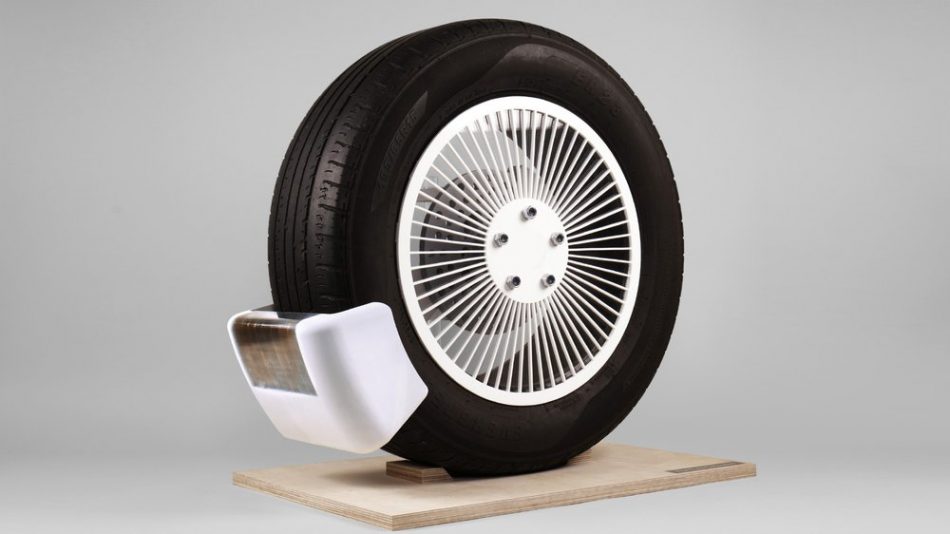
Students create device that captures microplastics from car tires
While a lesser-known culprit, the tires of our vehicles are one of the biggest sources of plastic pollution. Every time a car brakes, accelerates, or turns a corner, its tires gradually shed tiny particles that become airborne and make their way into our waterways. In Europe, alone, the amount of Read More...