


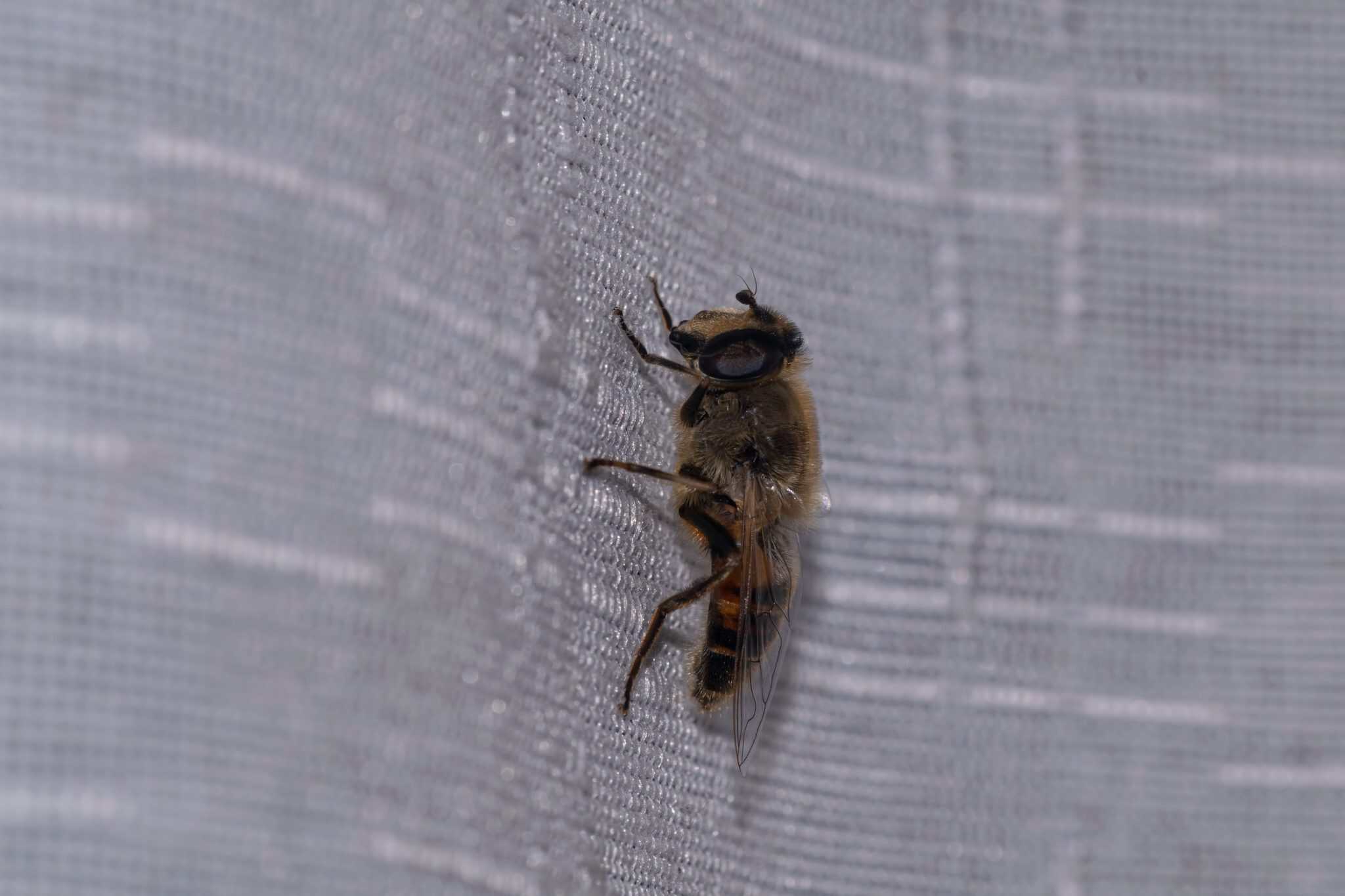
Research reveals honeybees use the same face-reading strategy as humans
BY THE OPTIMIST DAILY EDITORIAL TEAM The human brain contains approximately 86 billion neurons. A honeybee brain contains roughly one million, packed into about one cubic millimeter. That brain, it turns out, can learn to tell human faces apart. The research goes back more than two decades. Read More...

How pigeons find their way home: the answer is a magnetic compass in the liver
BY THE OPTIMIST DAILY EDITORIAL TEAM For decades, researchers looked for the seat of magnetoreception in all the obvious places: the eyes, the inner ear, the beak. A study just published in Science points somewhere none of them expected. The organ doing the magnetic navigation work in homing Read More...

The 10-minute habit that helped David Attenborough reach 100 years old
BY THE OPTIMIST DAILY EDITORIAL TEAM Sir David Attenborough turned 100 on May 8, and people want to know how he did it. Fair enough. A century is rare. A century of active fieldwork, narration, and travel across every ecosystem on earth is something even rarer. When someone who has spent his Read More...

Why cities are becoming an unlikely refuge for wildflowers
BY THE OPTIMIST DAILY EDITORIAL TEAM Wildflowers are associated with rolling meadows, ancient grasslands, and a pastoral world that is rapidly disappearing. The UK has lost 97 percent of its wildflower meadows over the past century, driven largely by agricultural intensification. As Nadine Read More...

The sensory superpower that lets seals hunt in total darkness
BY THE OPTIMIST DAILY EDITORIAL TEAM When a fish moves through water, it doesn’t simply pass through and vanish. It leaves a trail of disturbed water behind it, something like the contrail of a plane across a clear sky. That trail is invisible to human eyes and fades within seconds, but to a Read More...

Earth Day at 56: why the 2026 theme carries more weight than usual
BY THE OPTIMIST DAILY EDITORIAL TEAM On April 22, 1970, roughly 20 million Americans took to the streets, campuses, and parks to demand that the government treat the environment as something worth protecting. At the time, rivers in the United States were catching fire. Lead was still in Read More...

UK startup turns festival urine into forest-grade fertilizer
BY THE OPTIMIST DAILY EDITORIAL TEAM Only seven percent of Britain's native woodlands are in good condition. Pests, pathogens, and invasive species have worked through the rest. And rising fertilizer costs, driven by ongoing conflict, have not helped. A Bristol-based startup thinks part of the Read More...

Are fire-loving fungi mother nature's first responders after wildfires?
BY THE OPTIMIST DAILY EDITORIAL TEAM After a severe wildfire, the first visible signs of life returning are often flowers or birds. What you cannot see is what arrives even earlier. Within weeks of a blaze, tiny fungal fruiting bodies push through scorched soil and release spores, briefly Read More...

How Mexico's conservation work brought monarchs back from the brink
BY THE OPTIMIST DAILY EDITORIAL TEAM Every fall, tens of millions of monarch butterflies travel nearly 3,000 miles from Canada, through the United States, and into the forests of western Mexico. They arrive like a living orange blanket, covering entire trees. This winter, there were noticeably Read More...

Urban coyotes are denning next door: here's what to know
BY THE OPTIMIST DAILY EDITORIAL TEAM Somewhere near you, a coyote may be nursing a litter of pups right now. She chose her den carefully: tucked under a fallen tree trunk, wedged inside an old burrow, or backed into a pile of abandoned concrete. One priority guided the choice: keeping you from Read More...