



Short HIIT sessions can offset sleep debt’s metabolic toll
BY THE OPTIMIST DAILY EDITORIAL TEAM Most people treat sleep debt as a tiredness problem. Get some extra rest on the weekend, recover, move on. The reality is messier. Missing sleep for several nights triggers a cascade of metabolic and cardiovascular changes that don’t reverse cleanly when Read More...
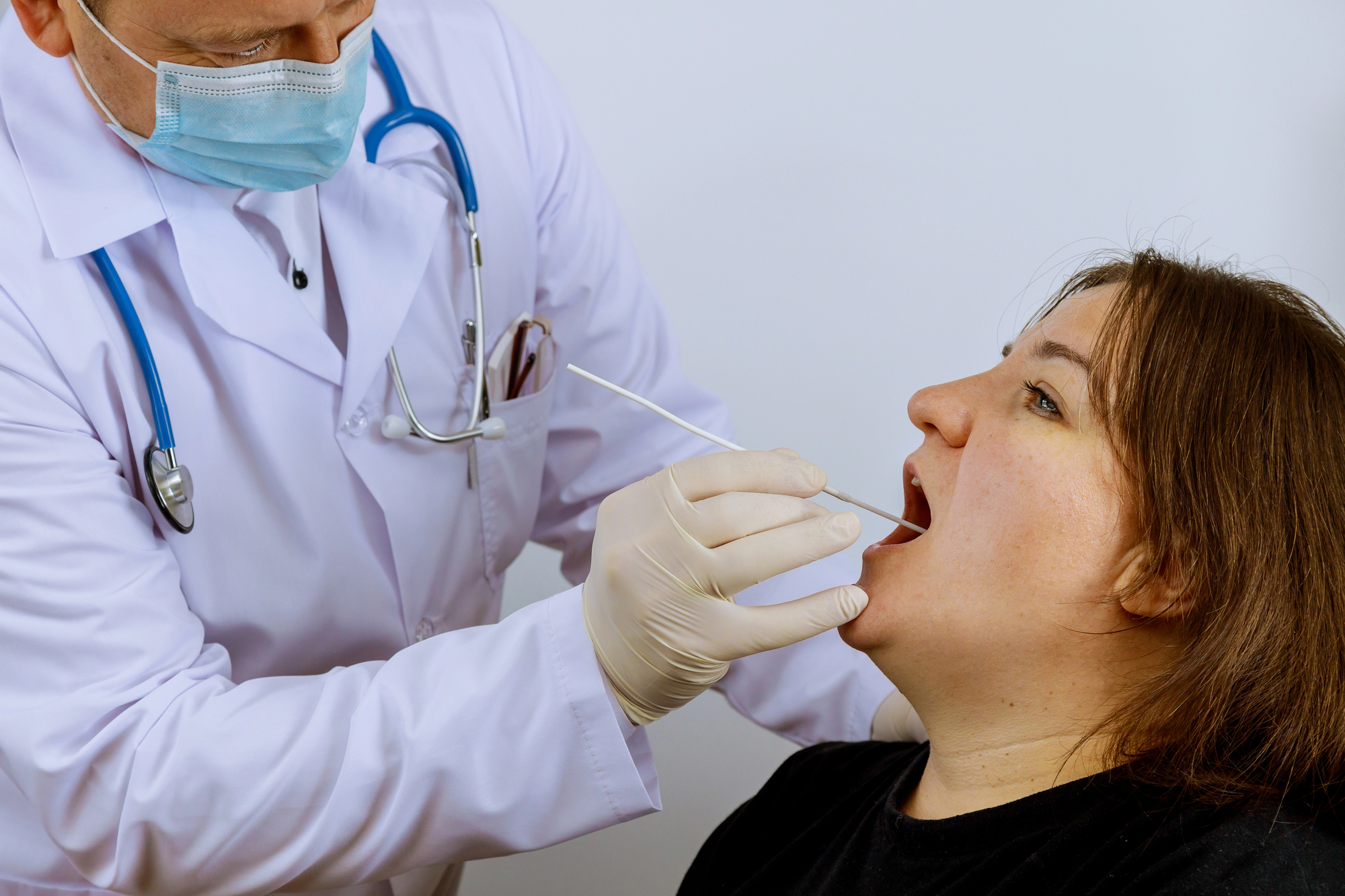
Scientists trial a painless brush test for oral cancer that returns results in 60 minutes
BY THE OPTIMIST DAILY EDITORIAL TEAM A brush swab of the mouth. Four genes. Results in under an hour. Researchers from Queen Mary University of London, working with partners in India, have shown that this simple approach can match the diagnostic accuracy of a surgical biopsy, without a scalpel Read More...

5 habits that build lasting happiness, according to research
BY THE OPTIMIST DAILY EDITORIAL TEAM Most people treat happiness as something that arrives when conditions are right. The last decade of psychological science tells a different story. Happiness isn’t mainly a mood or a simple feeling. It’s an output of how your life is structured, the Read More...

Why summer slips away so quickly and how to make it feel longer, according to brain science
BY THE OPTIMIST DAILY EDITORIAL TEAM It's hard to believe it's almost August; if you're anything like us, you’re probably wondering where June and July went. It happens every year: the long days, the plans you made back in May, the feeling that this summer would be different somehow. Then Read More...

What watching soccer does to your body, according to science
BY THE OPTIMIST DAILY EDITORIAL TEAM Forty-eight teams. Sixty-four matches. A final played yesterday at MetLife Stadium in New Jersey. And a victory for Spain, the country taking all the glory home. The 2026 World Cup was the most expansive in the tournament’s history, and for US, Canadian, Read More...
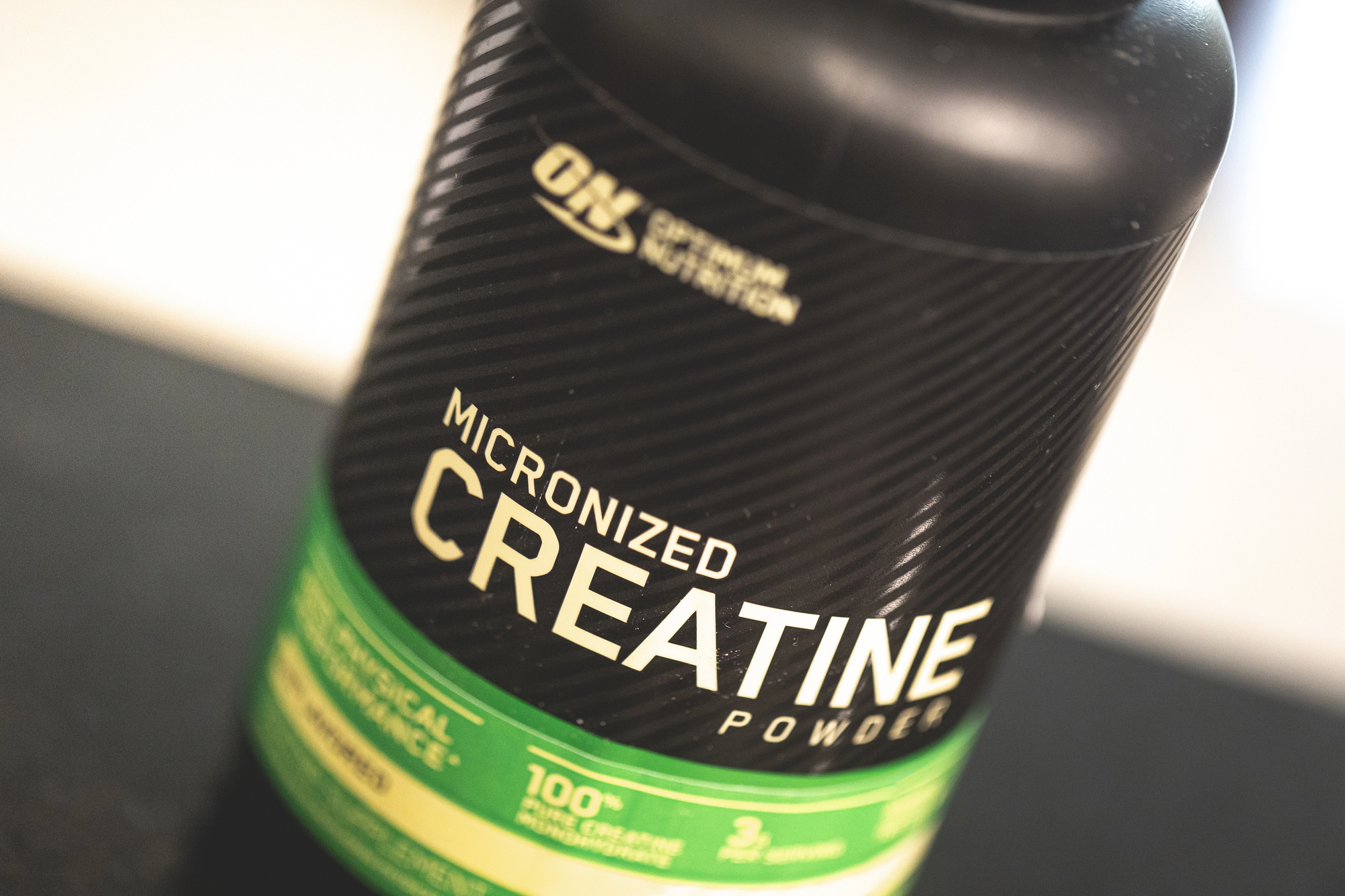
Could this popular gym supplement strengthen cancer immunotherapy?
BY THE OPTIMIST DAILY EDITORIAL TEAM Cancer immunotherapy has transformed treatment for some patients. For the 60 to 80 percent who don’t respond, the problem often isn’t the killer T cells at the end of the immune chain. It’s the cells responsible for training them. A new UCLA study Read More...
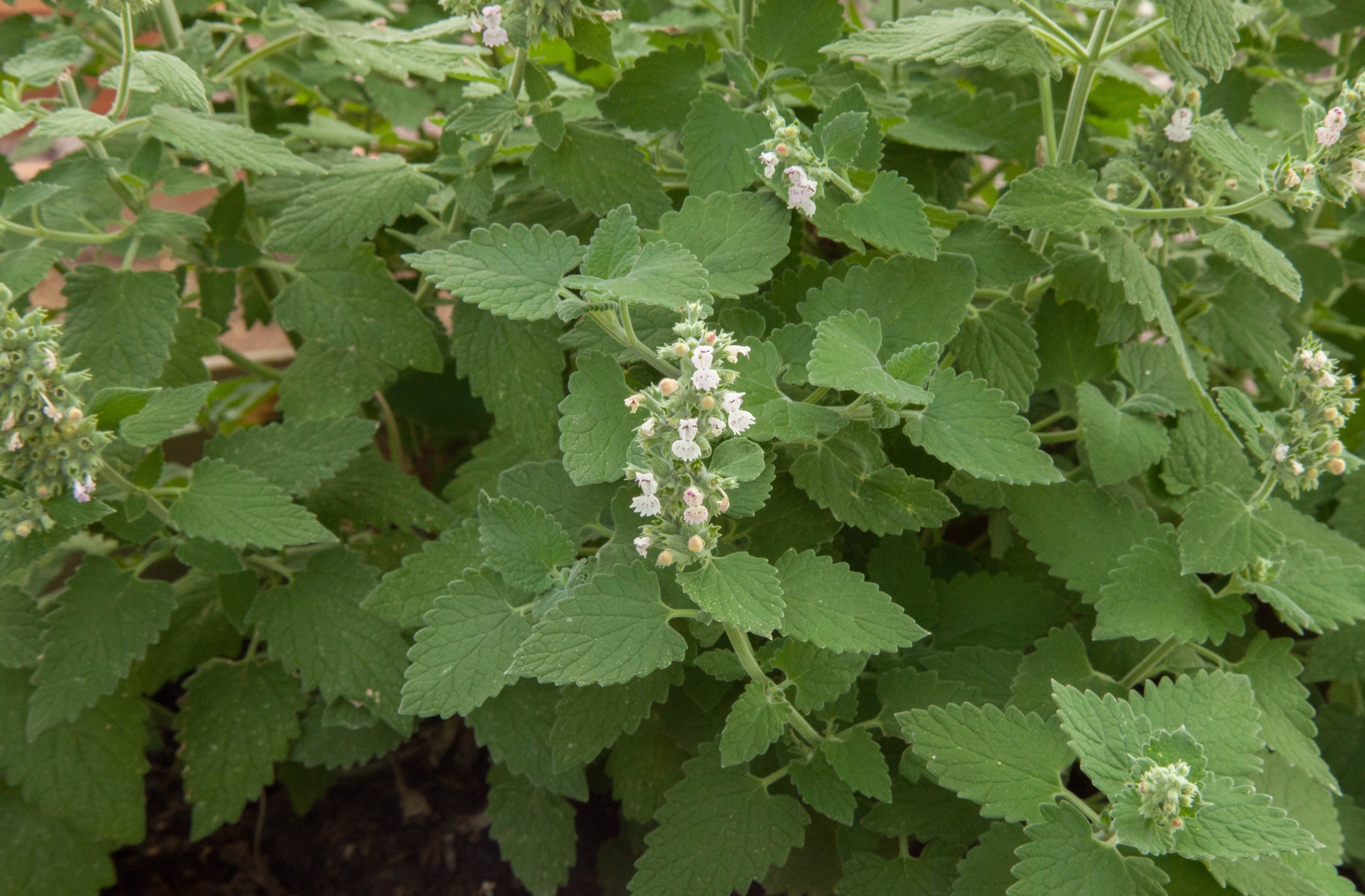
A cheap, homegrown catnip lotion could replace DEET for millions of Ugandans
BY THE OPTIMIST DAILY EDITORIAL TEAM A lotion made from catnip oil matched DEET in field trials in Uganda, according to research presented at the Society for Experimental Biology conference in Florence last week. Catnip (Nepeta cataria), a common herb in the mint family, contains Read More...
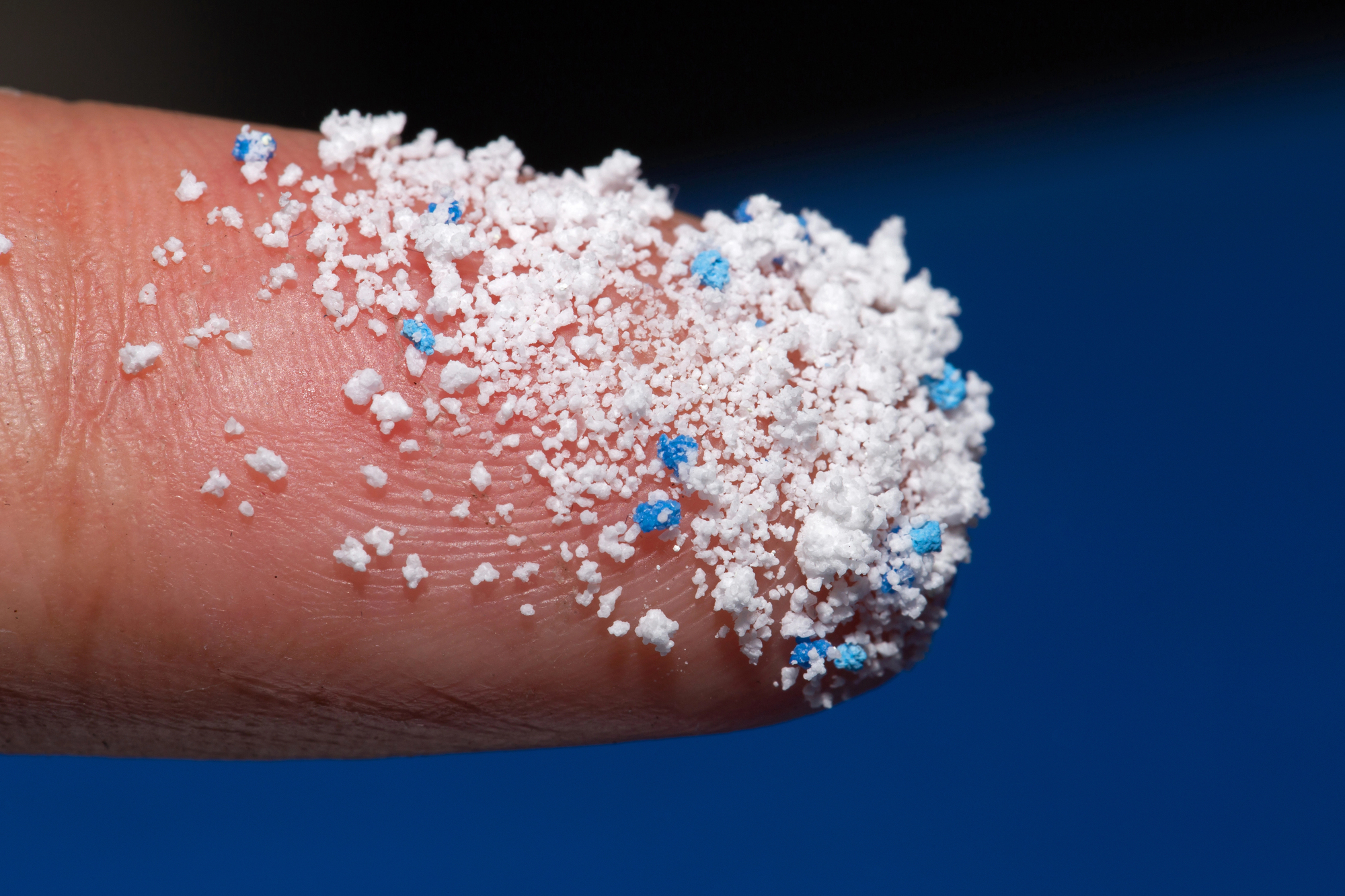
Reducing microplastic exposure: the four habits we should all be prioritizing
BY THE OPTIMIST DAILY EDITORIAL TEAM In 2025, researchers publishing in Nature Medicine found microplastics in human brain tissue at concentrations considerably higher than in the liver or kidneys. The year before, scientists at Columbia and Rutgers counted hundreds of thousands of nanoplastic Read More...
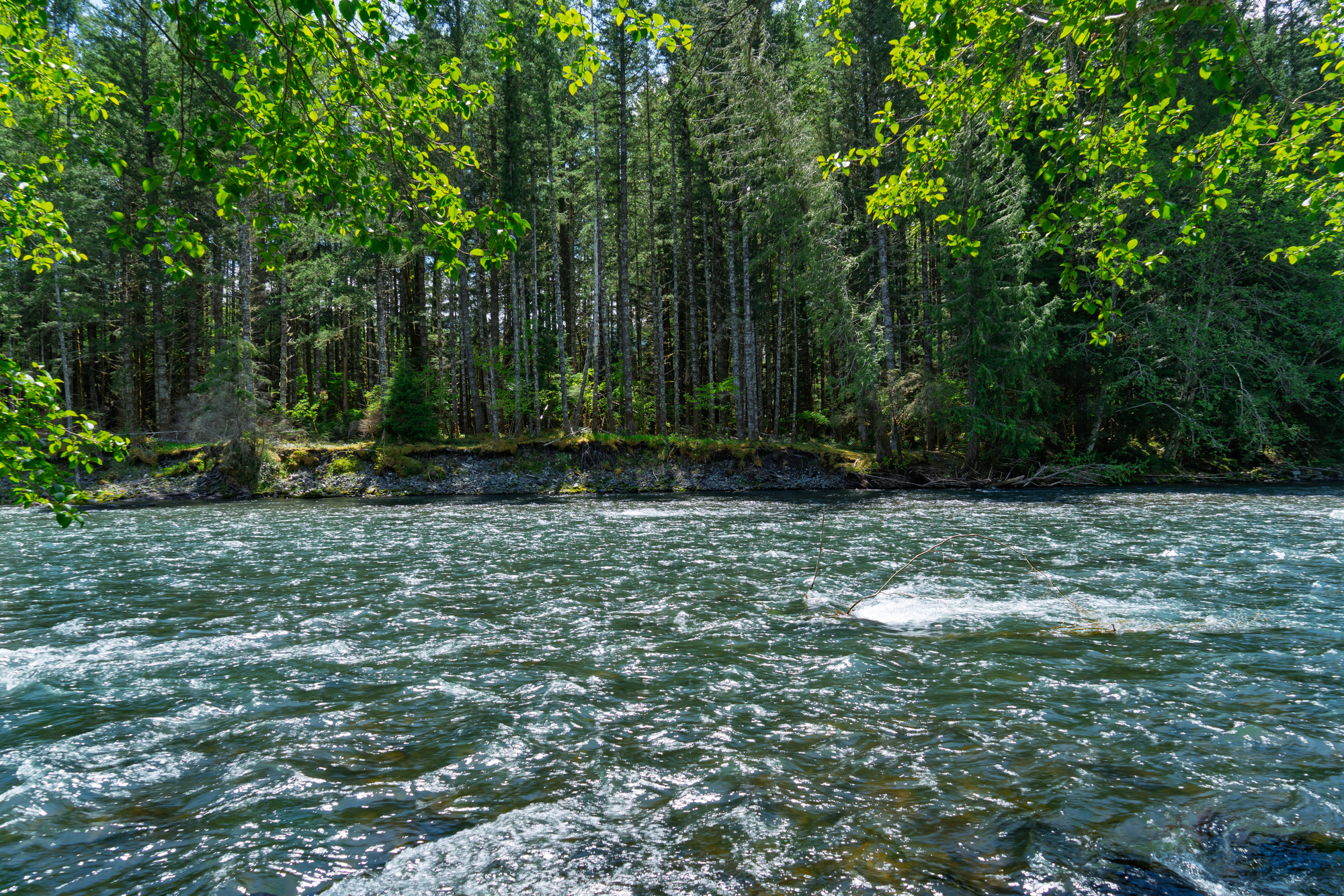
How environmental DNA turned river water into a global wildlife census
BY THE OPTIMIST DAILY EDITORIAL TEAM There’s something almost absurd about how we’ve always measured wildlife. Two trained ecologists visit the same river, spend days cataloguing what they can see, and come back with completely different species lists. Neither is wrong. The data just can’t Read More...

How heat domes form, intensify, and what they do to the body
BY THE OPTIMIST DAILY EDITORIAL TEAM More than 1,300 people die from extreme heat in the United States each year. The events behind the worst of those deaths usually share the same explanation: a heat dome, a ridge of high atmospheric pressure that parks itself over a region and won’t Read More...