Even after being severely damaged by blast fishing and coral mining, coral reefs can be rehabilitated over large scales using a relatively inexpensive technique, according to a study led by the University of California, Davis, in partnership with Mars Symbioscience. For the study, published this week in the journal Restoration Ecology, researchers installed 11,000 small, hexagonal structures called “spiders” across 5 acres of reef in the center of Indonesia’s Coral Triangle.

Large stretches of coral reefs can be rehabilitated
More of Today's Solutions
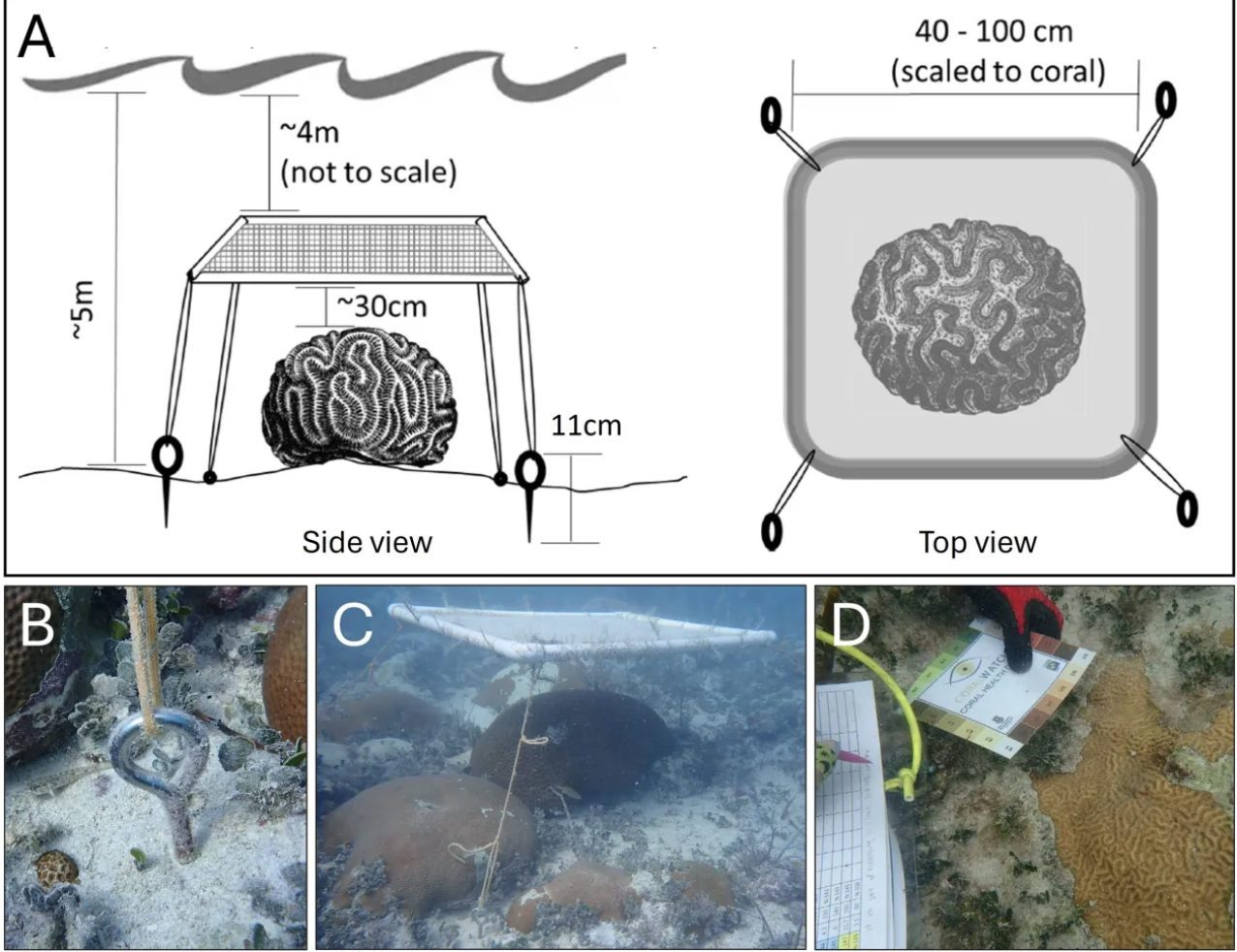
How a floating shade can help coral survive a marine heatwave
BY THE OPTIMIST DAILY EDITORIAL TEAM When divers installed floating shade structures over 20 colonies of brain coral in the lower Florida Keys in ...
Read MoreThe common skin care mistakes dermatologists say are working against your rou...
BY THE OPTIMIST DAILY EDITORIAL TEAM There's a particular kind of Sunday evening spiral that happens when you've spent twenty minutes reading about an ...
Read MoreVegetable oil byproduct can filter heavy metals from water
It’s unfortunate, but creating many of our products these days can also create harmful waste. We love finding stories about businesses and scientists repurposing ...
Read More9 natural energy-boosting alternative drinks to coffee
Coffee is good. Almost too good. The energy kick from coffee can be so good that you start drinking too much of it, and ...
Read More