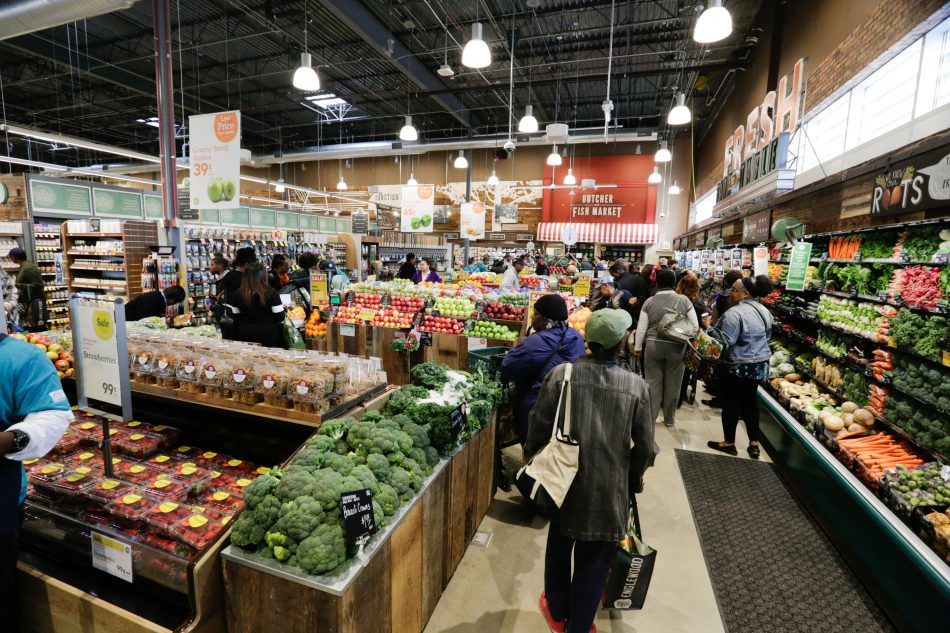
Low incomes can make accessing healthy food a challenge. But what if the closest grocery store with nutritious options is more than a mile from your home? This is the daily reality for the 6.2% of Americans who live in food deserts: areas where residents do not have the purchasing power to support a local grocery store so, therefore, more than ⅓ of the population lives more than a mile from one.
Food deserts have come to the attention of healthy living advocates, including Michelle Obama, urban planners, and community advocates who argue that lack of access to nutritious food traps low-income residents in a perpetual cycle of poverty and poor health. Despite efforts from groups, such as The Food Trust and the former first lady herself, local residents often fear gentrification from large food chains and reject the notion of their expansion into neighborhoods. Professor of Community and Regional Development at UC Berkeley, Catherine Brinkley, began to research food deserts to find out what strategies were working to introduce healthy food access to these areas. The answer: community-driven co-ops. Of the 30 community-driven or nonprofit funded supermarkets she analyzed, 28 were still active, compared to 50% success rate of big chain markets.
So why do community-driven stores, specifically co-ops, thrive? These stores often pay living wages, hire from within the community, and share community values. Additionally, community members are invested in their success, either financially, socially, or both. The key to successful community building is community involvement, and building healthy food systems is no exception. When residents are involved and committed to improvement projects in their neighborhoods, they themselves reap the most benefits from their efforts.