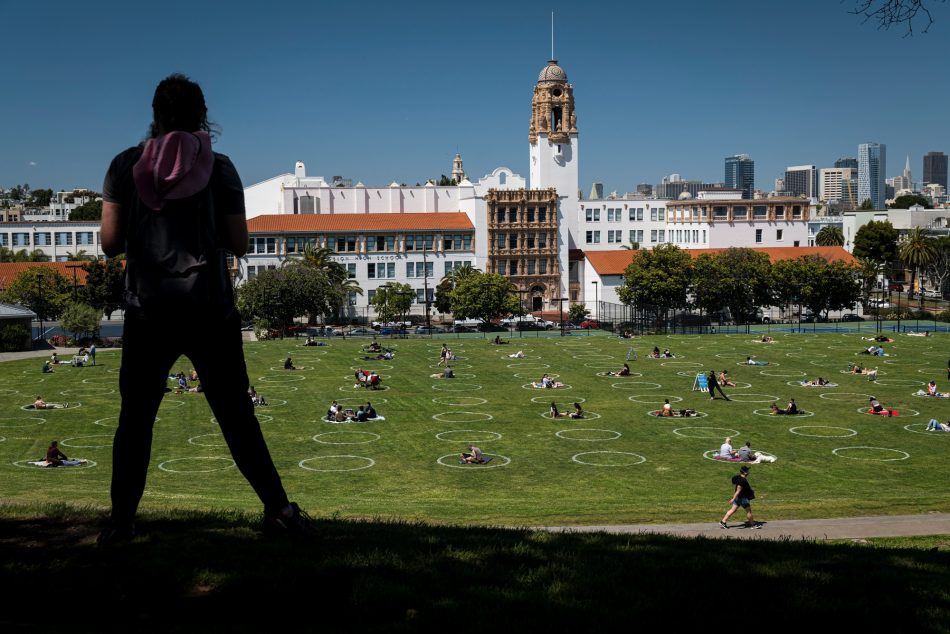
During this extraordinary time in America’s cities — weeks of coronavirus lockdowns followed by mass protests against police violence and racial inequality — one theme runs through the twinned crises: the power and value of public spaces. The nation’s parks experienced a surge of use during the pandemic that closed stores and businesses and kept so many Americans isolated in private.
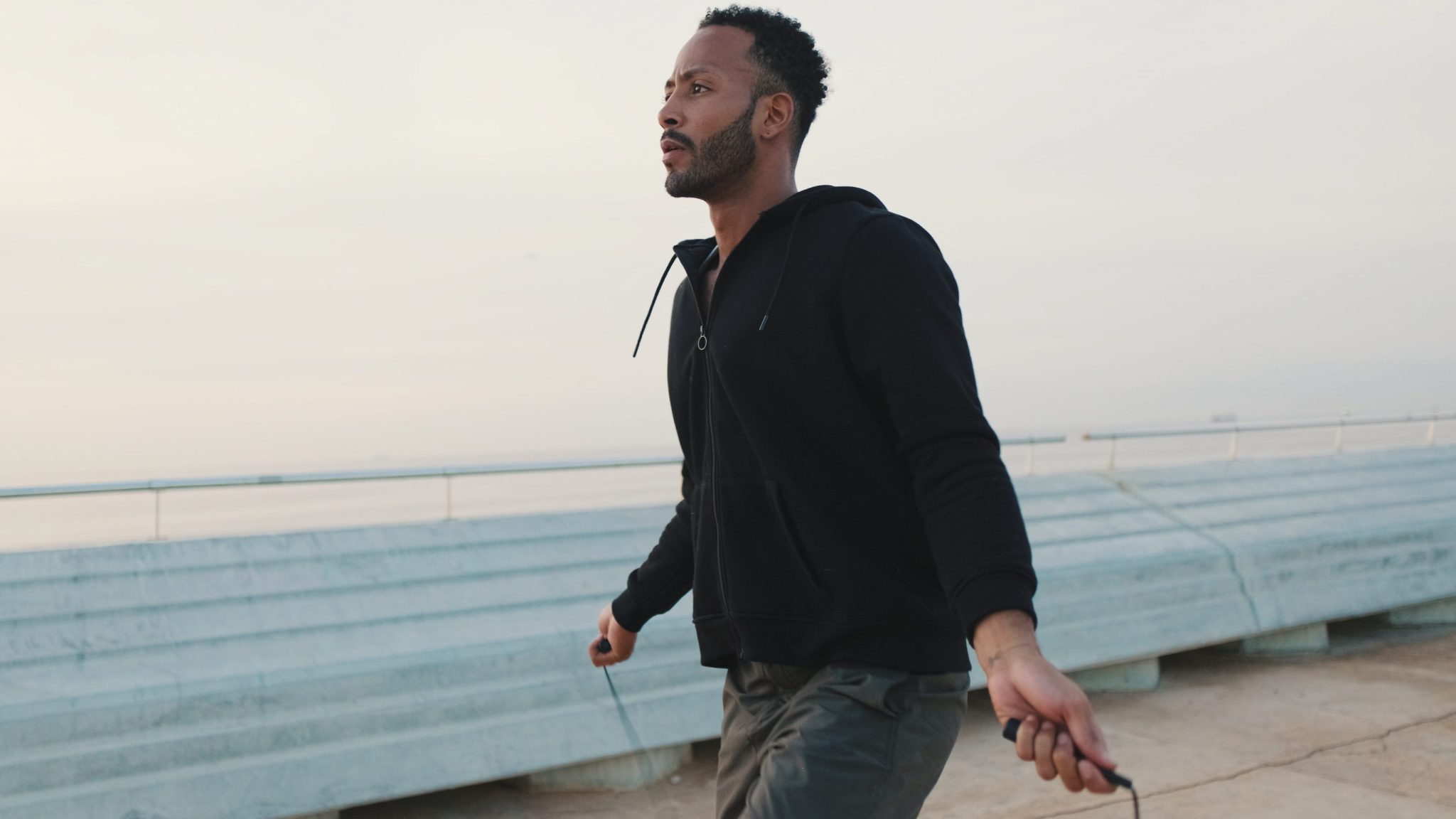
Since March, when coronavirus restrictions in the U.S. were enforced en masse, still-open city park facilities saw soaring numbers of visitors. Popular trails in Dallas, which tracks visitors, saw usage climb from 30 to 75 percent in March. In Minneapolis, during the still-cold month of March, trails experienced summertime levels of usage. Erie, Pennsylvania’s Presque Isle State Park saw visitor numbers jump 165 percent year-over-year during the third week of March.
Then came the protests over the killing of George Floyd on May 25, triggering a wave of mass demonstrations that, in venues such as Lafayette Square in Washington, D.C., and Cal Anderson Park in Seattle, is using these same public spaces as stages for protest. That, too, is part of the critical role they play in urban life.
“The thing I tell people about parks and public spaces is they can be platforms for equity, and the events of the last week in America show the public realm is the essential platform for equity,” says James Hardy, Akron, Ohio’s deputy mayor for integrated development. “It’s especially evident when the press and disregarded members of our community need these spaces to communicate truth to power.”
But amid this rediscovery of the value of parks, steep budget cuts now loom: City tax revenue is drying up, the need to provide additional protective gear for staff is expensive, and funds from special permits and fees, from athletic events to large outdoor concerts, maybe small or non-existent during this socially distanced summer.
But there’s some cautious hope here, too: This convergence of crises could ultimately help convince local leaders and the public to reconsider the importance of public space and even see parks as part of a broader plan for economic and social recovery. After all, if parks are helping citizens maintain greater well-being, that will only help the government reduce expenditure elsewhere.