


Americans use more than 7 billion gallons of water a day on their lawns. Over half of that doesn’t even help lawns. People overwater, which is bad for the grass. Some water just evaporates or runs into sewers, carrying pesticides with it. That’s a pretty heavy environmental cost.
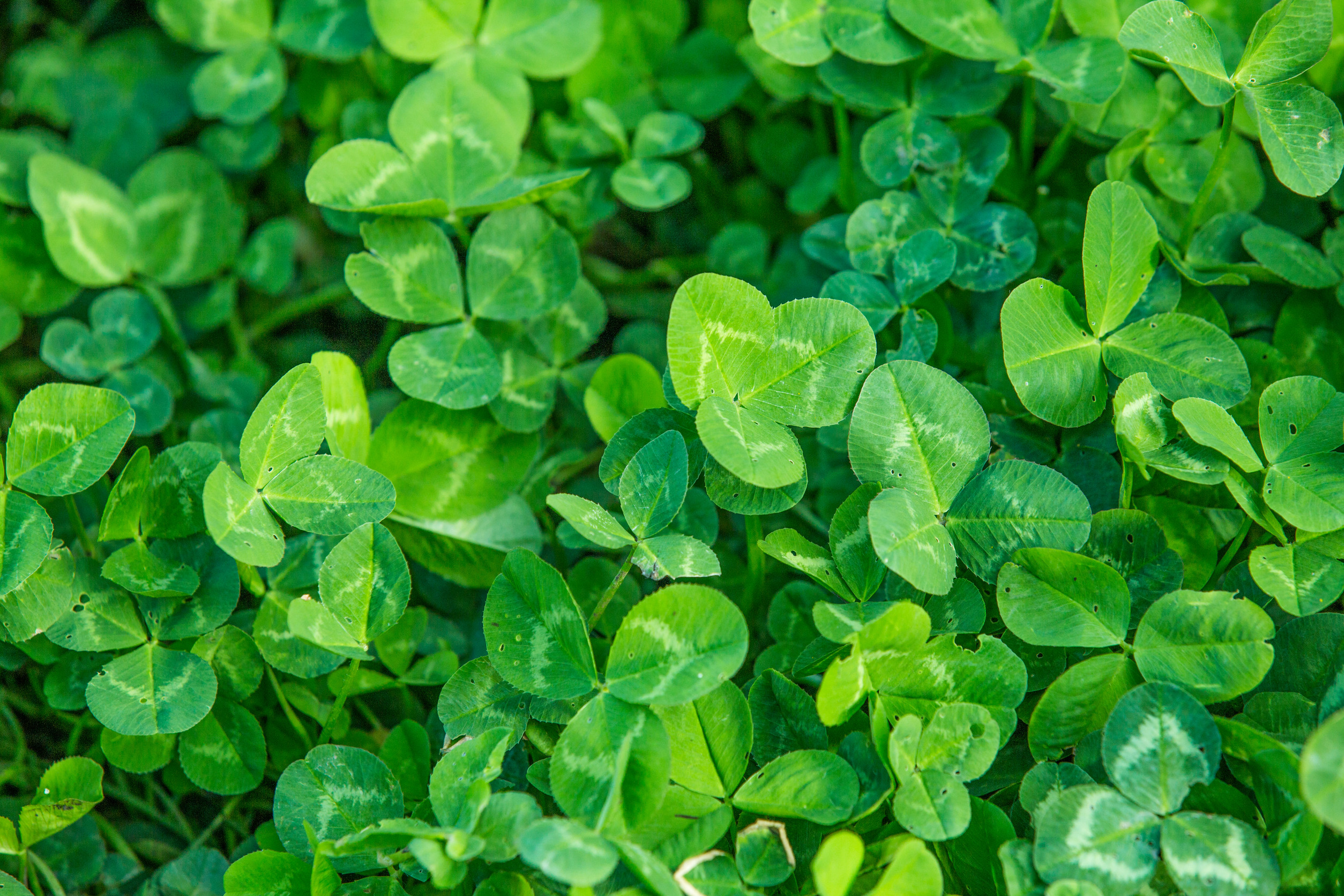
“But people like lawns,” you say. “What am I supposed to put in front of my house? Rocks?” Well, maybe. But there’s an alternative to grass that’s just as green and cheery: Clovers!
Clovers make great lawns. They grow easily, and they don’t need as much water as grass. They also don’t need fertilizer or herbicide. They reach a certain height and stop growing, so you don’t have to cut them. Clovers also make the soil healthier. They grab nitrogen out of the air and put it in the soil, providing nutrition for more plants. So they’re a great first step if you’re thinking about starting a garden (or turning your yard into a food forest, if that’s your thing.)
People actually used to use clovers in their lawns all the time in the 40s. Then people started using herbicides to kill off dandelions and other weeds. The herbicides killed off clovers too. Over time, people started thinking of clovers themselves as weeds. Maybe it’s time to rethink.






