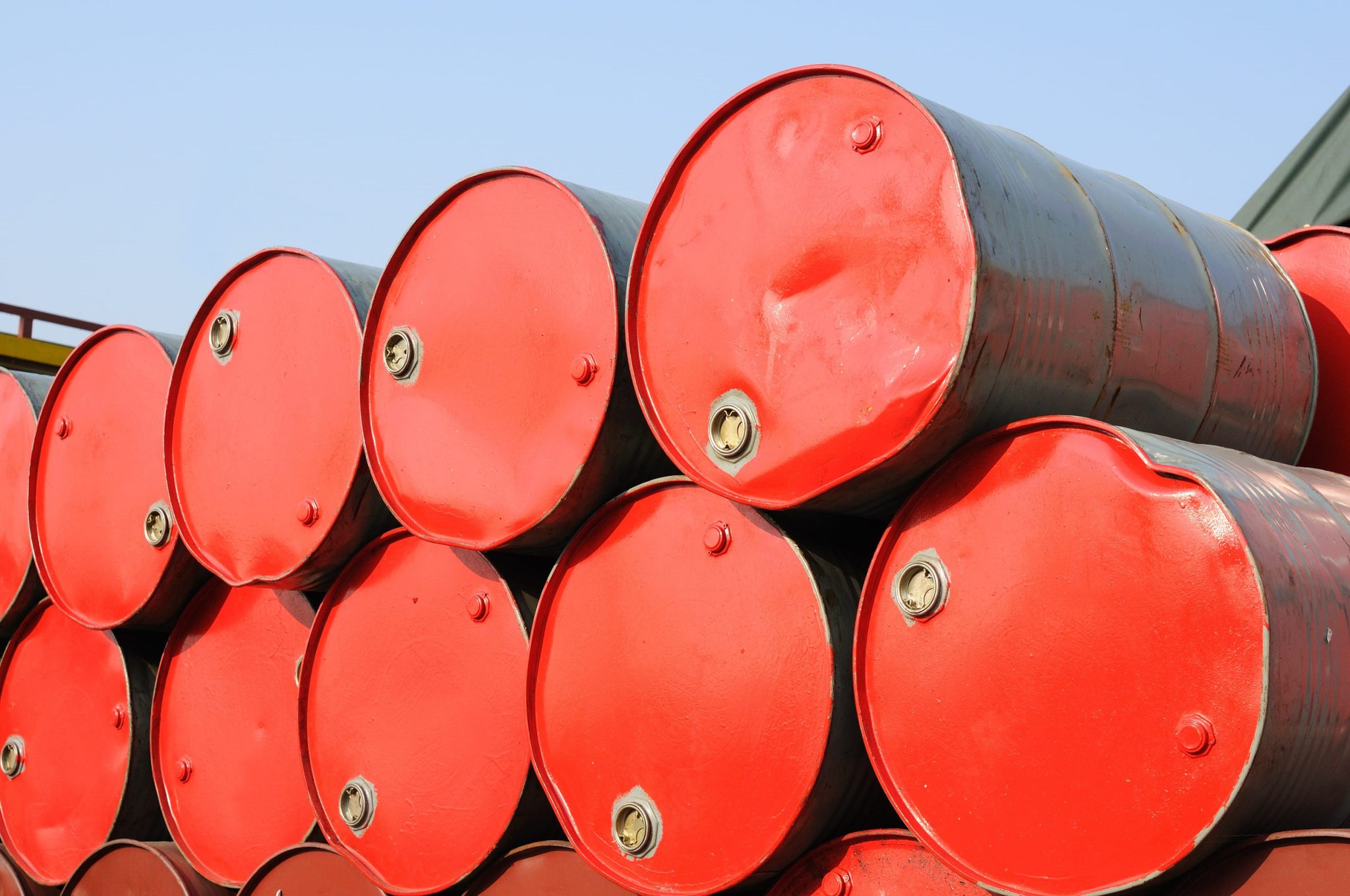
London-based BP has announced plans to reduce its oil and gas production by 40 percent and invest $5 billion dollars into clean energy strategies by 2030.
The decision was spurred by record low oil prices due to large-scale industry shutdowns during the pandemic. Crude oil prices dropped to an 18-year-low of less than $20 per barrel earlier this year and although they have begun to creep back up, the market for fossil fuels is far from booming. The new announcement fits into the company’s plan to reach zero emissions by 2050.
A 40 percent reduction means decreasing production by at least 1 million barrels a day by 2030. BP has predicted that overall oil and gas production will drop 75 percent over the next three decades. The company’s transition to greener energy strategies follows a global trend towards renewables and will allow it to remain viable as more and more industries move away from fossil fuels.
We recently shared a story about how Britain’s largest pension fund is divesting from fossil fuels. BP’s announcement is another sign that companies are striving for a greener future and using their financial power to make the change.