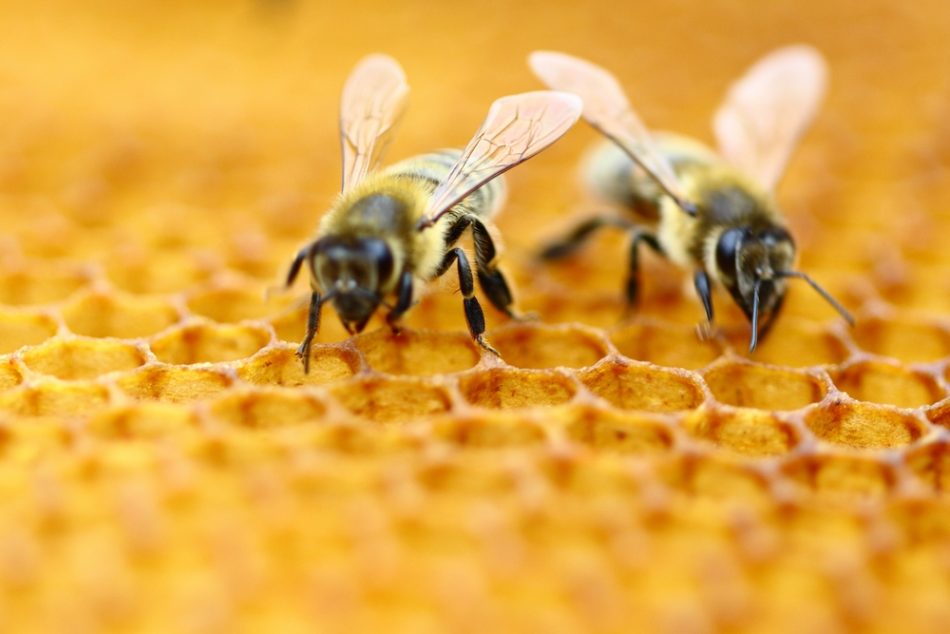
Honeybees hold the key to our agricultural systems, but it turns out they may also have other amazing healing powers. A study from the Harry Perkins Institute of Medical Research shows honeybee venom could treat triple-negative breast cancer, a type that currently has limited treatment options.
Honeybee venom has been known to treat tumors in plants since 1950 and more recently has been shown to work against other cancers like melanoma. This is the first time it has been successfully used to kill breast cancer cells and the first time it has been tested against every type of breast cancer cell, as well as normal breast cells.
Led by Dr. Ciara Duffy, the team of researchers tested the venom itself and a synthetic version of a compound in the venom, called melittin, against triple-negative breast cancer and HER2-enriched breast cancer cells. The impressive results showed that a certain concentration of honeybee venom could kill 100 percent of cancer cells without seriously impacting healthy ones.
The melittin works by entering the surface, or the plasma membrane, and forms holes or pores and it just causes the cell to die. When paired with existing chemotherapies, the venom was highly effective in eradicating cancer in mice. The researchers are hopeful that a similar treatment could work in humans.
Although more studies need to be conducted before the method can be tested in humans, this discovery shows promise for treating common and invasive cancers using naturally-derived methods – yet another reason to protect these valuable and threatened insects!