


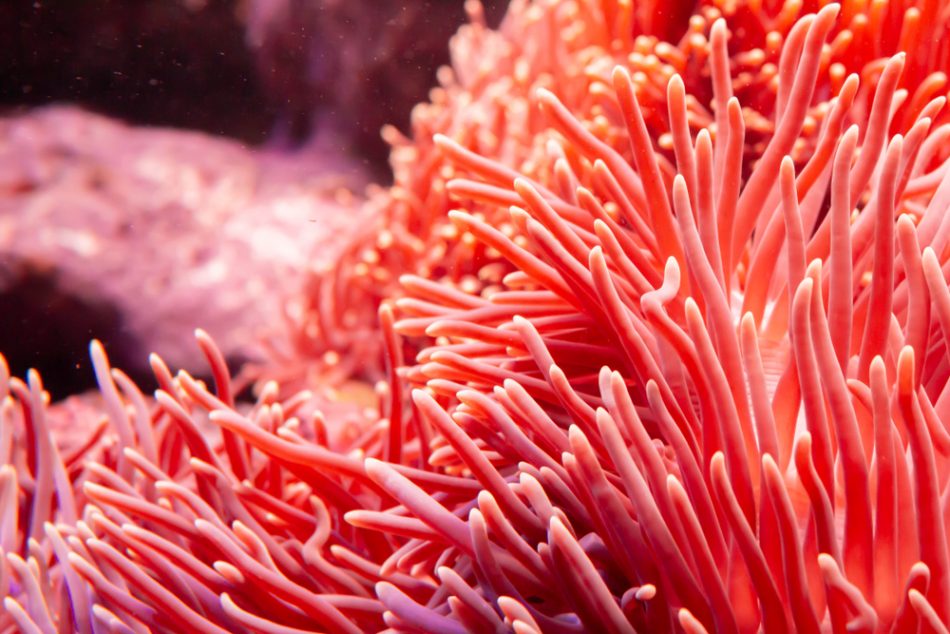
As the temperature of the oceans continues to rise as a result of climate change, coral bleaching events and mass die-offs are becoming more frequent. Some corals though have shown impressive resistance to rising water temperatures, leading researchers to think that there are some genetic configurations helping these outliers resist the heat.
Now, a group of scientists from the Carnegie Institution for Science have uncovered the gene responsible and are planning to gene-hack heat resistance into coral in a bid to keep reefs thriving as global warming marches on.
To prove coral’s genetic code, the scientists first had to get their hands on the fertilized eggs for their CRISPR experiments, a difficult undertaking that took several years.
Once they managed to get their hands on the fertilized eggs — which coral releases en masse under specific water conditions during a full Moon — the researchers were able to identify the gene HSF1 as the one responsible for coral’s ability to survive hotter water.
Now, they hope to use this knowledge to save declining coral reef ecosystems across the world. By tapping into CRISPR technology the team aims to seed vulnerable coral reefs with eggs altered to carry the heat resistance gene.






