


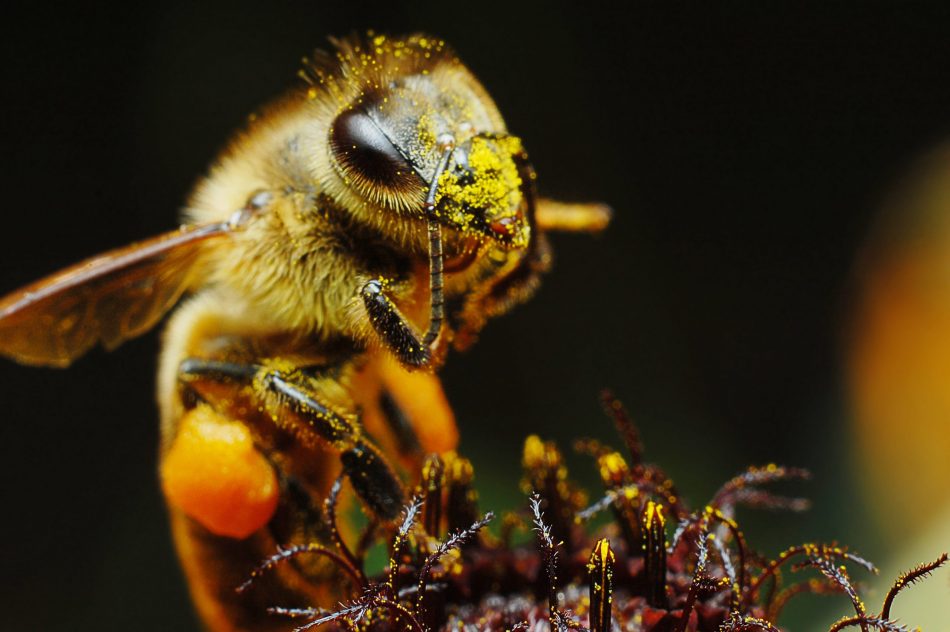
Earlier this year, the British government reversed a ban on a bee-harming pesticide called neonicotinoid in order to kill off virus-transmitted aphids that threatened the UK’s sugar beet fields. Environmentalists were obviously not pleased with the reversal of the ban as the government had broken an explicit pledge, but fortunately for everyone, the recent cold weather in Europe has killed off the aphids, which were carrying the yellow virus.
For that reason, the UK government has announced that the pesticide will not be used after all. Forecasts still predict that a small percentage of the sugar beets will be damaged due to the virus, however, it’s not nearly enough to justify the use of this harmful chemical.
Bees play a vital role in our food chain, with about a third of the food we eat relies on pollination mainly by bees. For environmentalists like Milan Wiercx van Rhijn, who represents the charity Bees for Development, the decision to not use the pesticide was a relief. Nonetheless, he remains concerned that it was even an option.
“Agriculture must be regenerative, and we cannot continue destroying the ecosystem on which we depend,” said van Rhijn. “Future generations will be shocked that we ever considered using these toxins – we see already the catastrophic decline in insects and biodiversity. If we kill the insects which are the starting blocks in the chain, we’ll kill the animals higher up. It’s hard to grasp how much of an impact it’ll have on us.”






