


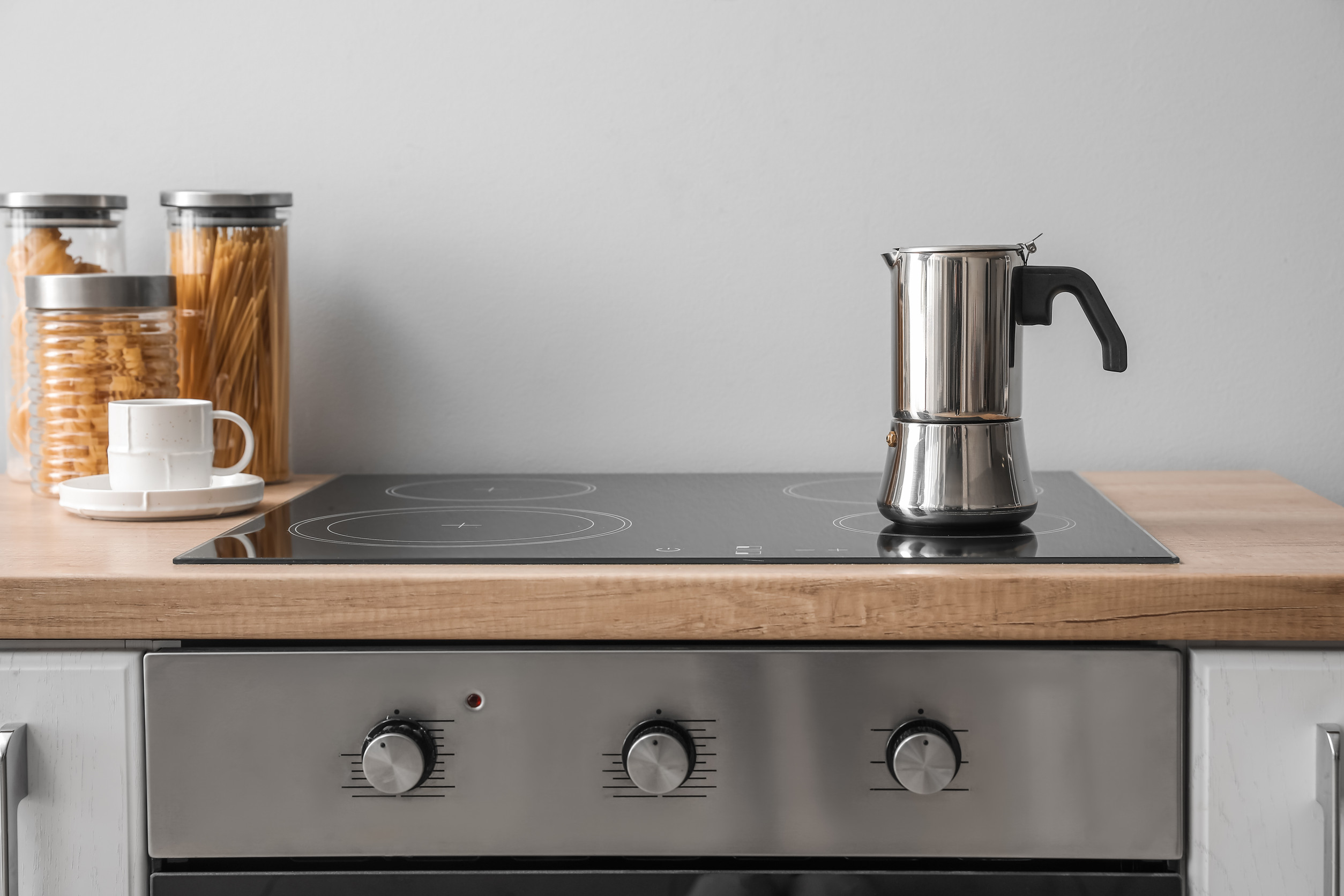
A third of Americans cook with natural gas in their homes and many, especially kitchen-savvy chefs, seek out these appliances over electric versions, but the health and environmental effects of gas raise the question: Why are we still using these cooktops?
What’s wrong with gas stoves
First and foremost, natural gas has severe indoor air pollution drawbacks. Cooking on gas releases some of the same pollutants as car exhaust and while significantly better than cooking over a wood fire, natural gas and propane release nitrogen dioxide which can lead to asthma or other respiratory issues. Homes with natural gas have nitrogen dioxide concentrations of 50 to 400 percent higher than all-electric homes. The effects of this pollution are especially detrimental in homes with poor ventilation.
On the environmental side of the argument, yes, natural gas is cleaner than oil or coal, but it is still a powerful greenhouse gas. Gas stoves also consume more energy than electric versions and although your stovetop is not necessarily a gas guzzler, infrastructure for gas stoves supports the use of gas furnaces and water heaters which consume and burn large amounts of it.
Although some gas advocates argue that proper ventilation negates the pollution associated with gas, the high cost of ventilation systems leaves low-income communities with higher pollution risks.
Switch to electric
Fortunately, advanced electric cooking technology, like induction stoves, has advanced the sensitivity of these stoves and made cooking with them feasible, even for professional chefs. Chef Nguyen Tran went all-electric in his Los Angeles restaurant and tells The Atlantic that he is confident that with a bit of practice, all chefs can learn to cook just as proficiently on induction technology.
Although many may be convinced to adopt electric stoves, facilitating this transition will require some effort. Heather Price, an atmospheric chemist at North Seattle College, argues that governments should introduce rebates for gas trade-ins, particularly for low-income families. She also applauds countries, like Canada, for the establishment of indoor air-quality benchmarks. In 2015, Canada set their long-term exposure limits to nitrogen dioxide to 11 parts per billion. Other solutions include banning natural gas in new construction, which cities like Ojai and San Francisco have done.
If you do cook on a gas stove, you can take safety precautions such as turning on ventilation at all times when cooking and opening up windows for airflow if you don’t have a ventilation system in your home.






