


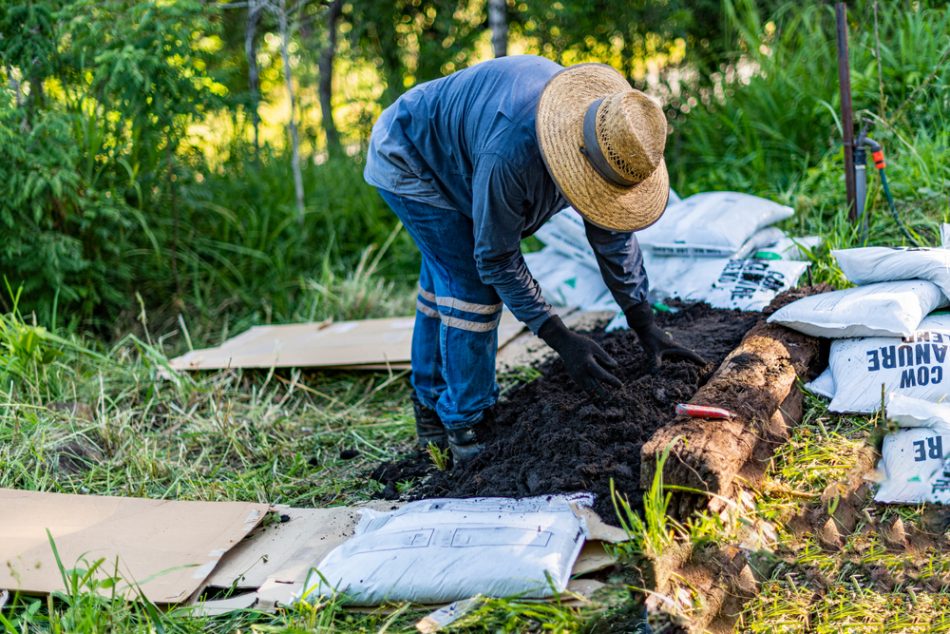
Healthy soil makes for healthy plants, but building nutrient-dense soil can be challenging. No matter what you’re working with, here are five tips to help you build dark, moist, bug-rich soil to feed your garden.
Start with compost
Making your own homemade compost is the best way to feed your garden and sustainably dispose of scraps, but getting a compost pile to produce can take many months. In the meantime, consider buying commercial compost or getting some from a friend. Some cities even have community gardens where you can contribute to large shared scrap piles in exchange for some compost. Once you’ve acquired your compost, spread three inches evenly across your garden. This will create a more nutritious environment for your plants and eliminate the need for any chemical fertilizers.
Don’t collect those trimmings
Just like leaving mulch on your lawn makes it healthier, leaving trimmed branches and leaves behind in your garden also improves soil health. In natural ecosystems, this waste hits the ground and is incorporated into the soil, so you should strive to do the same in your yard. If you don’t like the idea of your garden looking untidy, then put these clippings in your compost for use on soil later.
Diversify your plants
The key to healthy soil is a variety of plants. Opt for a combination of flowers, vegetables, and fruits, and consider practicing companion planting to boost garden efficiency.
Reduce tillage
Turning over the soil in your garden is an easy way to make soil less compacted, but in the long run, you’re likely not doing yourself any favors in terms of nutrients. It’s better to take the time to improve soil through composting and planting than simply tilling.
Follow the flow of your garden
Sometimes the best thing for your garden is to let your plants take charge. It can be tempting to keep your garden highly manicured, but allowing plants to run wild and determine its own course is generally best for your soil. The healthiest gardens look different from year to year.






