Today’s Solutions: July 20, 2026

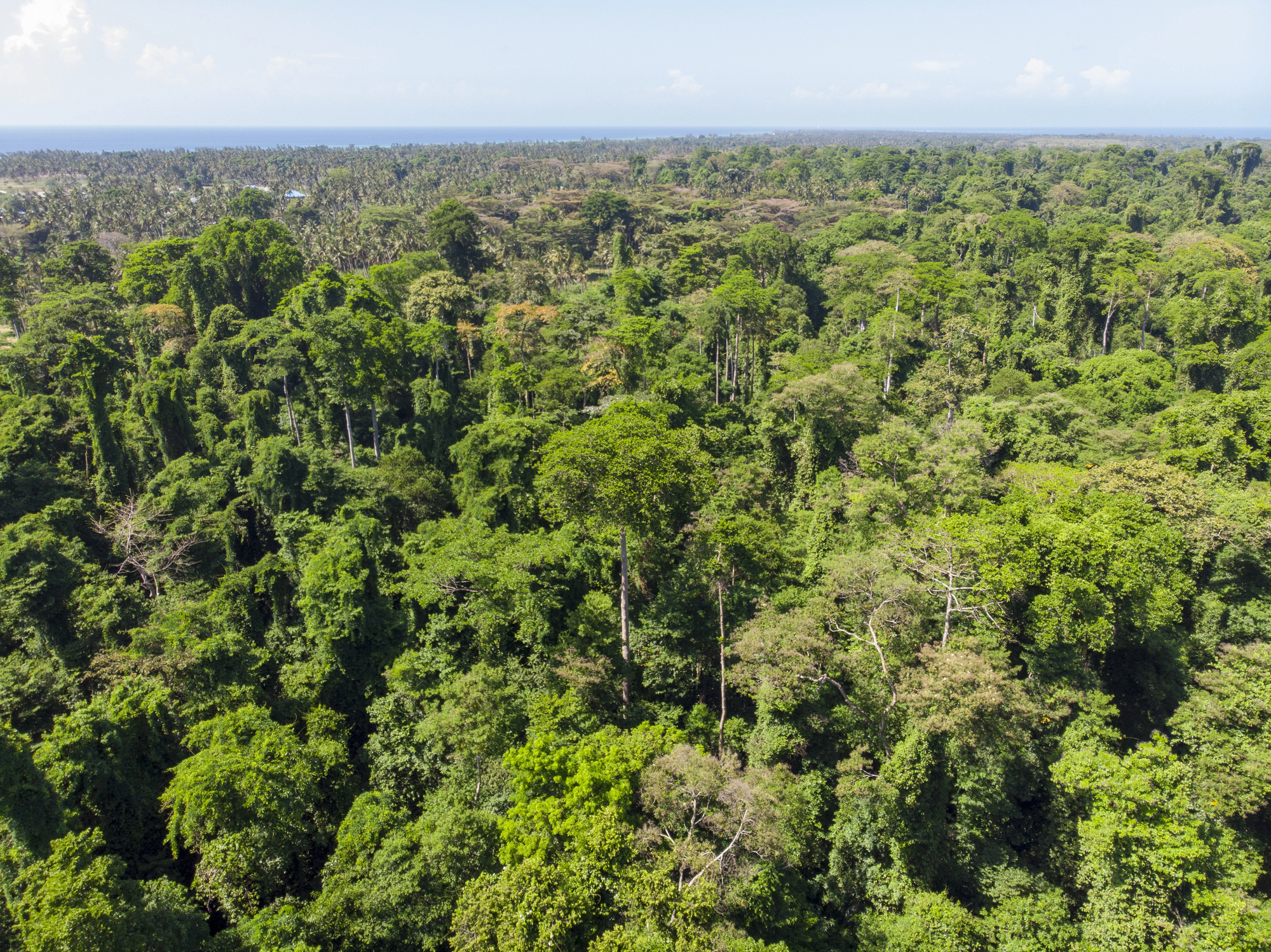
The U.N. Human Rights Council has finally recognized access to a clean and healthy environment as a fundamental human right, adding it to others─like food, shelter, and freedom from slavery─laid out in the Universal Declaration of Human Rights.

The resolution was first discussed in the 1990s, and the text of the resolution, proposed by Costa Rica, the Maldives, Morocco, Slovenia, and Switzerland, was approved by 43 countries with four abstentions from Russia, India, China, and Japan.

Some countries, like Great Britain, raised concerns regarding the legal implications of the resolutions, but proponents argued that environmental risks, which account for 13.7 million deaths per year, make environmental health a critical human right.


Solutions News Source Print this article
More of Today's Solutions

Could this popular gym supplement strengthen cancer immunotherapy?

BY THE OPTIMIST DAILY EDITORIAL TEAM Cancer immunotherapy has transformed treatment for some patients. For the 60 to 80 percent who don’t respond, the ...

Read More

What watching soccer does to your body, according to science

BY THE OPTIMIST DAILY EDITORIAL TEAM Forty-eight teams. Sixty-four matches. A final played yesterday at MetLife Stadium in New Jersey. And a victory for ...

Read More

Kenyan artists transform discarded flip-flops into vibrant sculptures

On the shores of Kenya, where waves weave tales of the sea, a remarkable story unfolds—a story of resilience and creativity. This is the ...

Read More

How switching out timber for hemp can revamp sustainable low-carbon construct...

In the search for sustainable building materials, hemp appears as a strong candidate, providing numerous environmental benefits. Similar to timber, hemp is a biogenic ...

Read More