Contemporary climate modeling uses our understanding of physical, chemical, and biological processes to shape earth system models. However, as climate change presents our world with unprecedented climate events, these models are becoming flawed and cannot accurately simulate events from the past. This means that estimates about climate ‘tipping points’ where irreversible changes occur are not well understood or confidently defined.
Scientists from the University of Birmingham and the University of Bristol in the UK have looked at earth’s history of environmental change, and hope that ancient data can help us understand our reality more accurately.
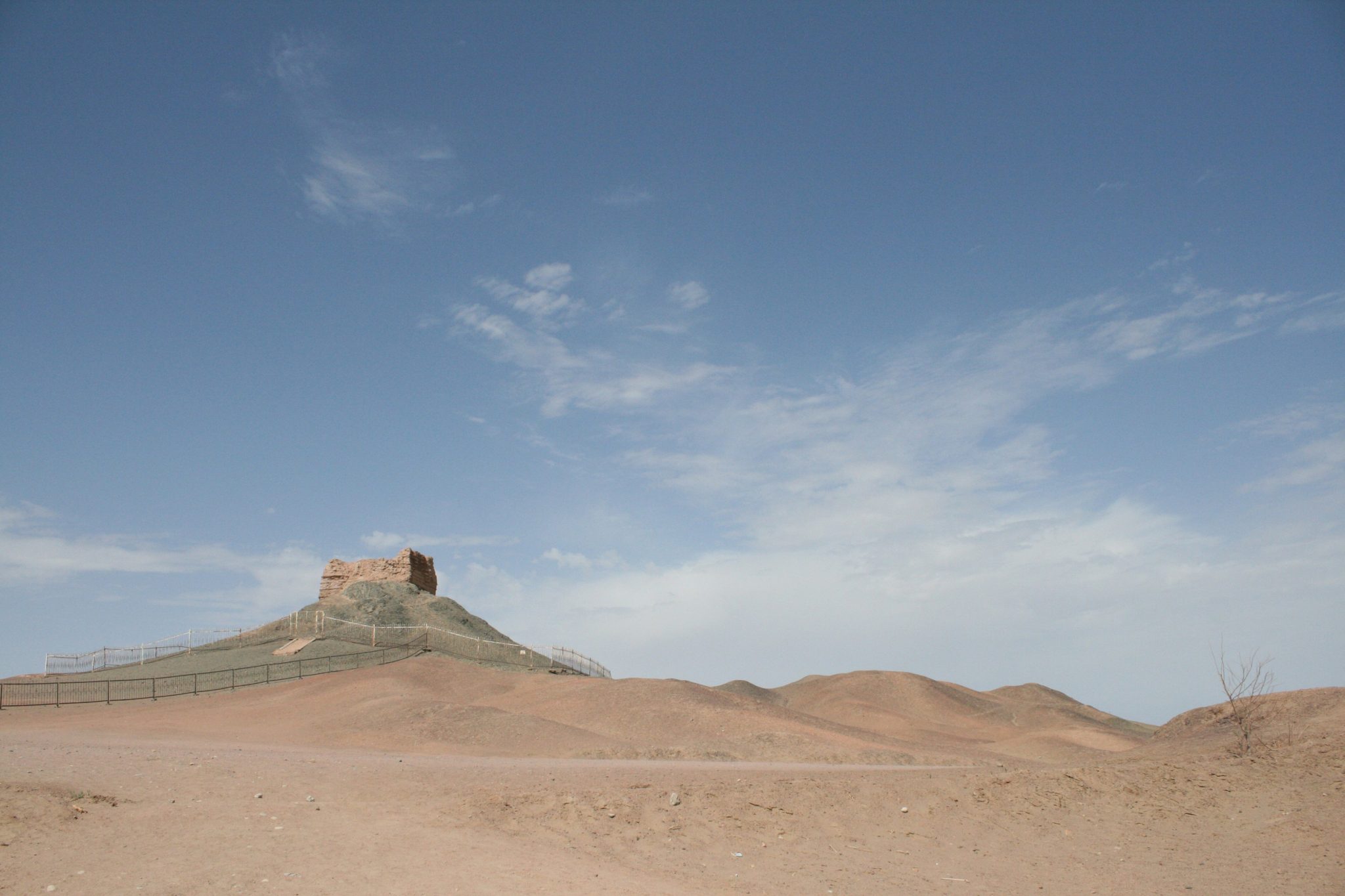
Take for example the swift desertification of the Sahara 6,000 years ago, where the barren area was transformed into a savannah. Using fossil and pollen records, accurate modeling of this period was achieved. The study was independently compared for accuracy with sedimentary records when the land converted back into a desert again. Using the model the transitional timeline was able to be accurately mapped out, increasing reliability in the method.
As described in a recent study by the scientists, looking at big past events and adding known information about these into models may help us fine tune these models to give a more accurate picture of tipping thresholds.
These results signify an improvement to current modeling methods, increasing our confidence in future projections of the climate. The more accurate knowledge we have allows us to be more prepared and give governments, organizations, and companies a realistic timeline to work with.
Source study: PNAS – Paleoclimate-conditioning reveals a North Africa land–atmosphere tipping point