


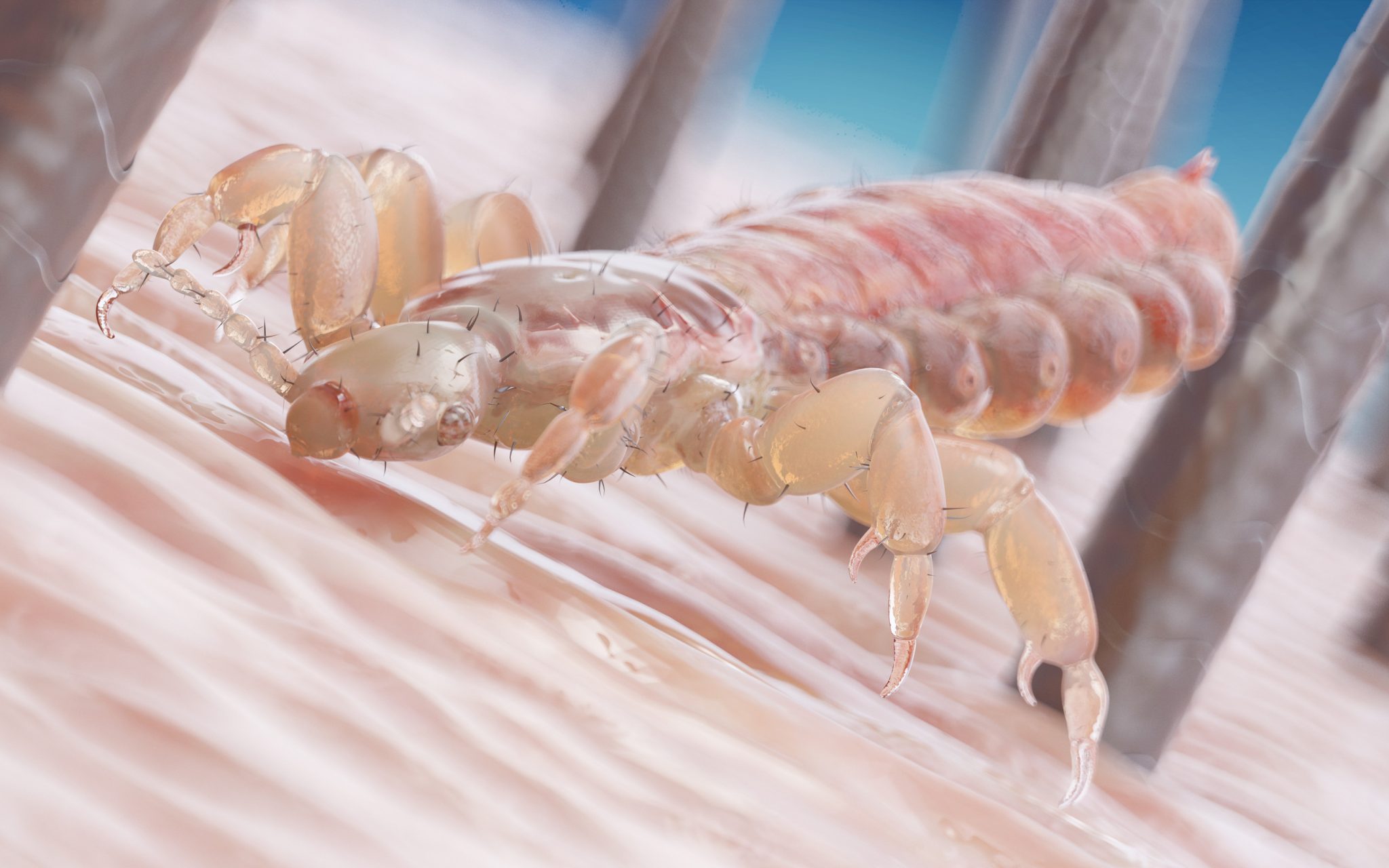
To uncover information about ancient genomes scientists have previously relied on fossils of bones and teeth. Alongside ethical issues, the problem with this is most genetic sequences obtained from this old DNA are fragmented and incomplete. A group of researchers from the University of Reading and the University of Copenhagen, thought of a new approach to overcome this problem.
Nit cement
The paper, published in Molecular Biology and Evolution, discusses the ingenious idea to investigate a byproduct of nits still present on ancient human remains. The substance formed as a result of skin cells becoming encased in a cement like substance produced by female lice to attach their eggs to the scalp. From this, DNA was recovered from the mummies dating back 1,500-2,000 years ago.
“Like the fictional story of mosquitos encased in amber in the film Jurassic Park, carrying the DNA of the dinosaur host, we have shown that our genetic information can be preserved by the sticky substance produced by headlice on our hair. In addition to genetics, lice biology can provide valuable clues about how people lived and died thousands of years ago,” stated the head of the research group Dr. Alejandra Perotti.
Better quality
The huge perk of this idea is the fact the quality of the DNA recovered has improved significantly. First author, Dr. Mikkel Winther Pedersen, said: “The high amount of DNA yield from these nit cements really came as a surprise to us and it was striking to me that such small amounts could still give us all this information about who these people were, and how the lice related to other lice species but also giving us hints to possible viral diseases.”
Migration patterns
These sequences were extracted from mummified people who reached the Andes mountains of the San Juan province, Central West Argentina. From their DNA, information about migration patterns and breeding with different populations around the world has been uncovered. This allows theories on ancient human heritage and movement to be strengthened and/or challenged, getting closer to a more accurate picture of our history.
“Demand for DNA samples from ancient human remains has grown in recent years as we seek to understand migration and diversity in ancient human populations. Head lice have accompanied humans throughout their entire existence, so this new method could open the door to a goldmine of information about our ancestors while preserving unique specimens,” added Dr. Alejandra Perotti.
The more we know about our previous movement and changes in DNA, the more we can understand genetic diseases and fascinating rich ancient cultures.
Source study: Molecular Biology and Evolution – Ancient human genomes and environmental DNA from the cement attaching 2,000 year-old head lice nits






