


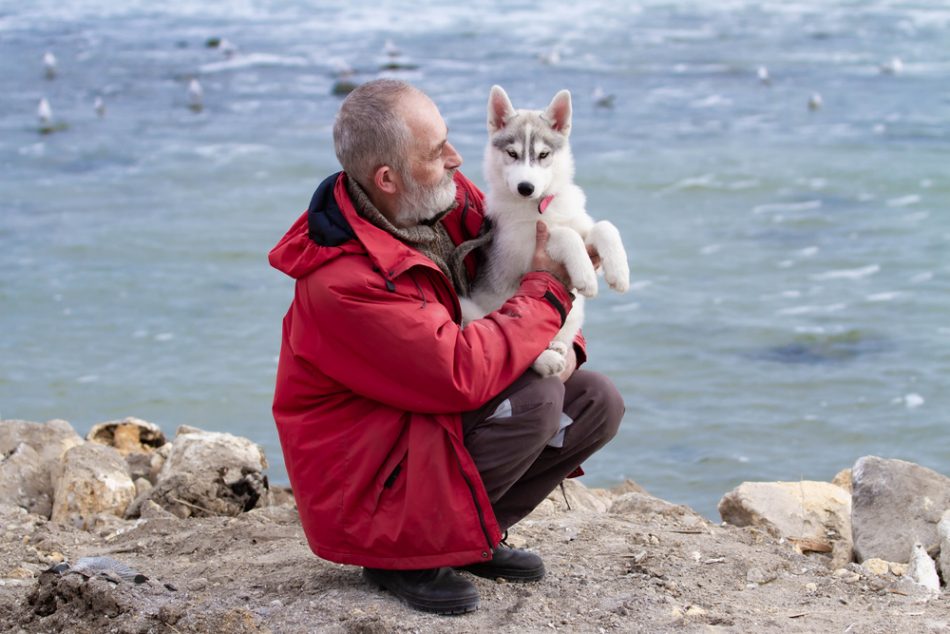
Research has shown that having a dog can help boost our physical and mental health as well as make us feel younger. Pets are an enormous source of joy and comfort, and as dog parents, we want to help our furry friends live a long and happy life. Today, we share six tips from MindBodyGreen holistic veterinarian Karen Shaw Becker, DVM on how to best support the health and wellbeing of our dogs.
Get some cardio in
Just like humans, dogs need daily movement to stay healthy. Get your dog out for at least one short walk every day and try to walk them somewhere with soil and grass as it benefits their immune systems.
Provide sensory experiences
Animals benefit from experiences that feed their brains. For dogs, this can be a romp off leash in a dog park or a treat puzzle.
Focus on nutritious foods
We are what we eat and our pets are no exception. Most popular pet food brands contain high levels of carbohydrates which aren’t good for our dogs. Talk to your vet about more nutritious food options and consider switching to simple dried meat or fruit treats rather than heavily processed ones.
Socialize and train
Dogs are social creatures, but those adopted during the pandemic may be out of practice when it comes to playing well with others. If your dog doesn’t enjoy the dog park, identify friends’ dogs they are comfortable with and schedule less stressful one on one playdates. Training your dog will also provide mental stimulation and help prevent boredom.
Designate a safe sleep space
Just like humans, dogs experience short bursts of electrical activity, called spindles, during non-REM sleep. These help dogs (and us) consolidate memories and retain information. Create a safe, quiet, dark space for your dog to sleep. If you have a busy household, placing a crate in a separate quiet room can help your pup feel more relaxed and let them know they have their own space to go to when they need to rest.
Learn from their cues
No two dogs are completely alike, so observe how your dog reacts in different scenarios to get to know them better. Do they feel uneasy around children? Do they enjoy playing in the morning more than in the evening? Identifying these tendencies can help you better support and nurture your dog through all stages of life.






