


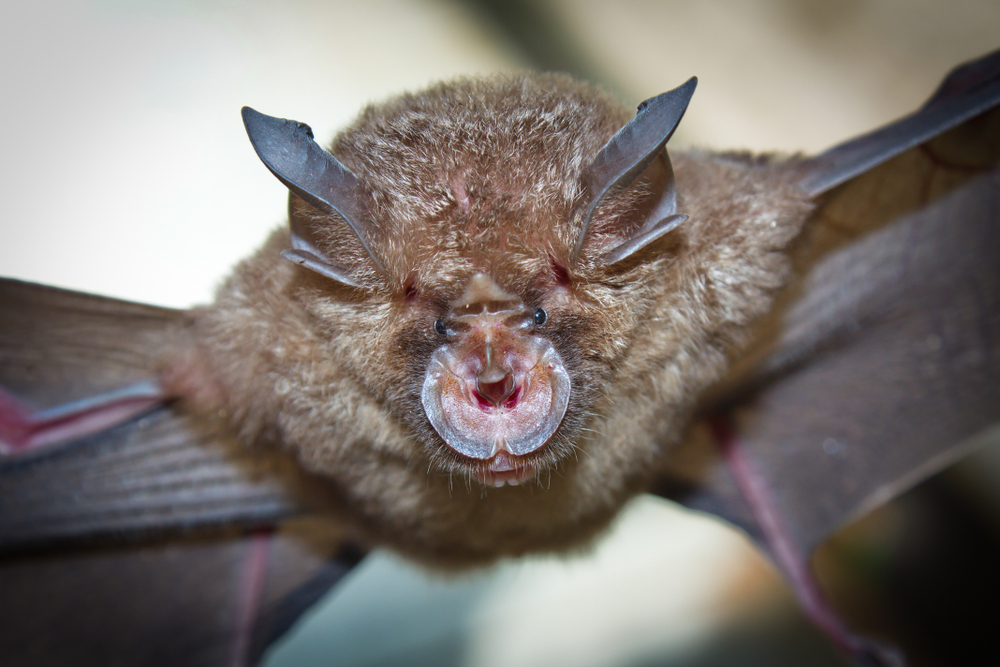
Scientists have sighted a critically endangered bat species in Rwanda that was feared extinct for more than 40 years since it was last seen.
While they called it a delightful discovery. The researchers who found the Hill’s horseshoe bat in Rwanda’s Nyungwe forest said the bat remains highly vulnerable. Information on the mammal’s population numbers is still limited and the International Union for Conservation of Nature (IUCN) in 2021 listed them as critically endangered.
An “incredible” rediscovery
Jon Flanders, director for Bat Conservation International (BCI), said the bat’s rediscovery “was incredible,” and that it is “astonishing to think that we’re the first people to see this bat in so long.”
Based in Texas, the nonprofit had partnered with the Rwanda Development Board and Rwanda Wildlife Conservation Association to survey the dense rainforest back in 2013. It was only six years after that, when scientists discovered the bat in a cave in the jungle, as part of a 10-day expedition.
“We knew immediately that the bat we had captured was unusual and remarkable,” said Winifred Frick, BCI’s chief scientist. “The facial features were exaggerated to the point of comical.”
40 percent of all bats in the world are endangered
However, it took the researchers three years to verify the species. Bats make up 20 percent of all terrestrial mammals, and about 40 percent of the 1,321 known species are classified as endangered on IUCN’s red list. The main reason behind the mammal’s precarious existential condition is human action, such as habitat loss and deforestation.
As for the conservationists in Rwanda, the reappearance of the Hill’s horseshoe bat on their radars marks a new race for the protection of the species.






