


Conservation
Nature relies on a rich diversity of organisms to keep it in balance. Conservation plays a key role in ensuring that environmental equilibrium is preserved. Learn about the solutions spearheading our efforts to promote biodiversity, safeguard vital ecosystems, and protect endangered species.
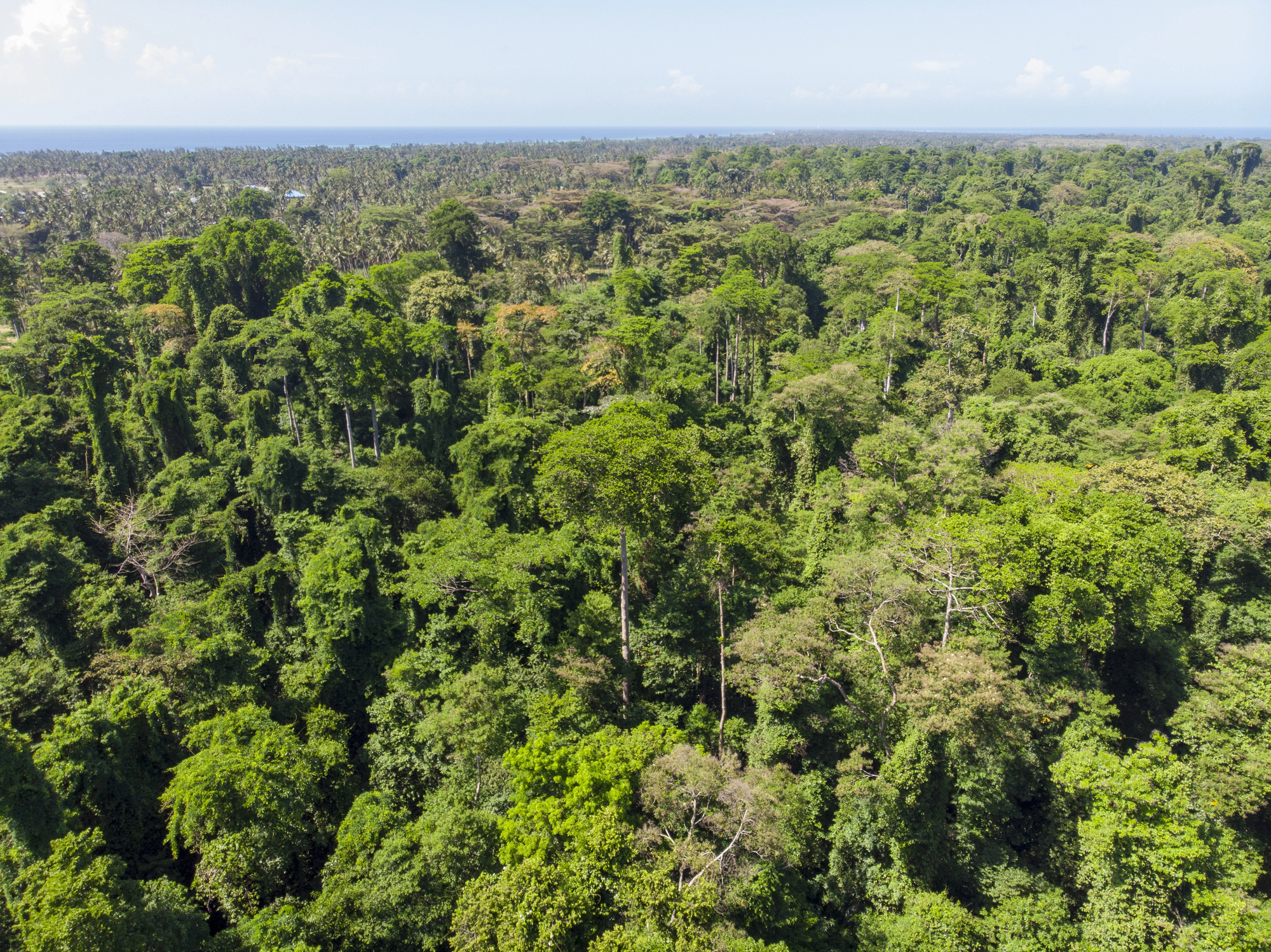
How Colombia's outgoing president protected 42% of the country's Amazon from mining
BY THE OPTIMIST DAILY EDITORIAL TEAM On August 4, 2026, three days before he left office, Colombian President Gustavo Petro signed a resolution placing 186,500 square miles of the Amazon off-limits to any new extraction. That means no new mining concessions, no new oil or gas contracts, and no Read More...

How offshore wind foundations became accidental reef habitat
BY THE OPTIMIST DAILY EDITORIAL TEAM When engineers drove 54 steel cylinders into the sandy seafloor southeast of Long Island to anchor Empire Wind 1's turbines, the goal was simple: keep 810 megawatts of generating capacity upright in the Atlantic. What happened next was quite Read More...
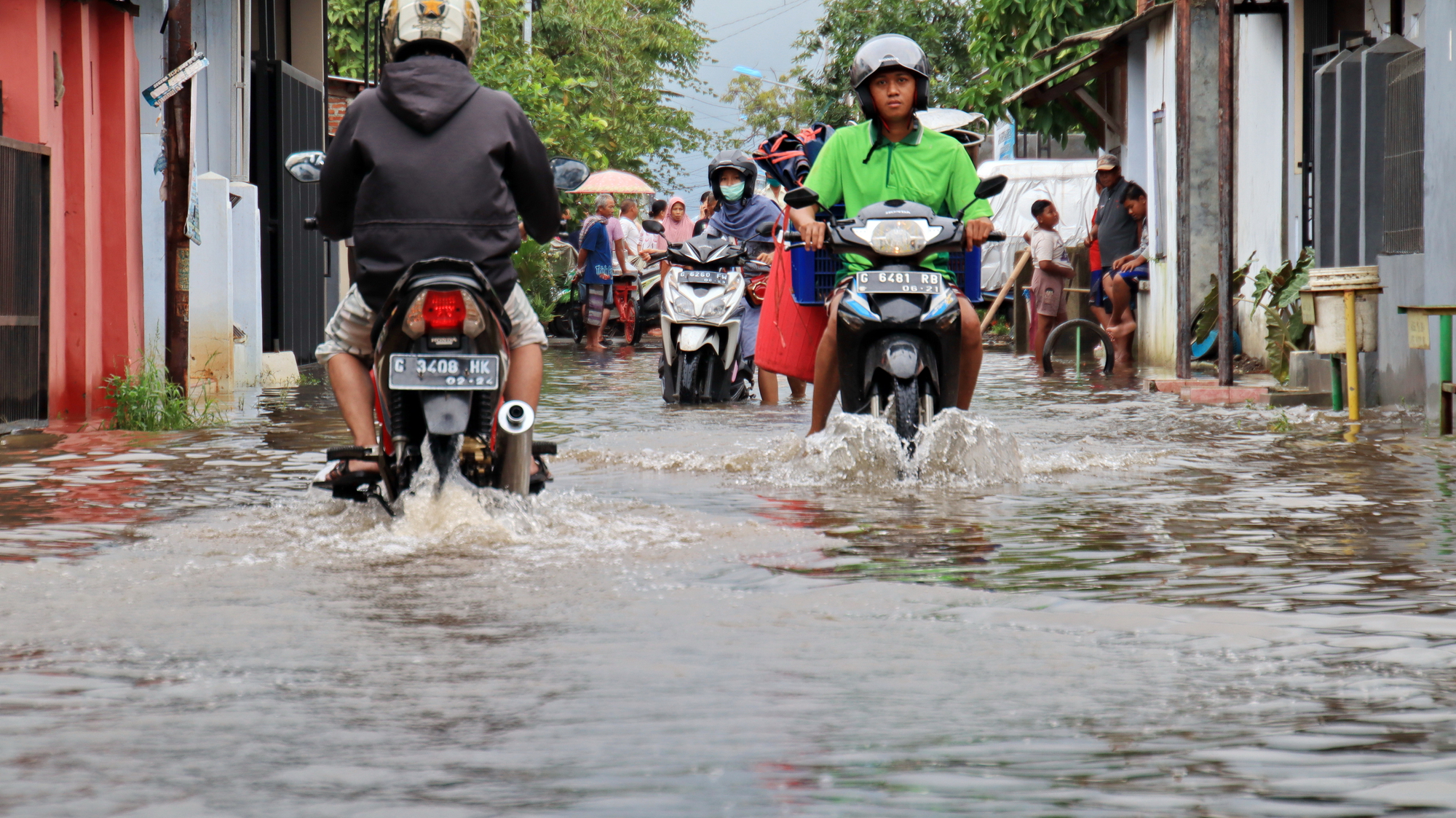
Climate attribution science just changed the rules for fossil fuel lawsuits
BY THE OPTIMIST DAILY EDITORIAL TEAM Scientists can now draw a straight line from a single oil company's emissions to a specific disaster. Not a rough estimate of the industry's overall contribution, but a specific company, a specific event, a specific percentage. That's what a new Read More...

Meet the Bioloon: the biodegradable balloon aiming for shelves by 2028
BY THE OPTIMIST DAILY EDITORIAL TEAM Balloons have always been made from natural latex, a material derived from rubber tree sap. Natural latex is biodegradable. The rubber tree has been producing it since before the first balloon was invented in 1824. On its own, it breaks down. The problem is Read More...
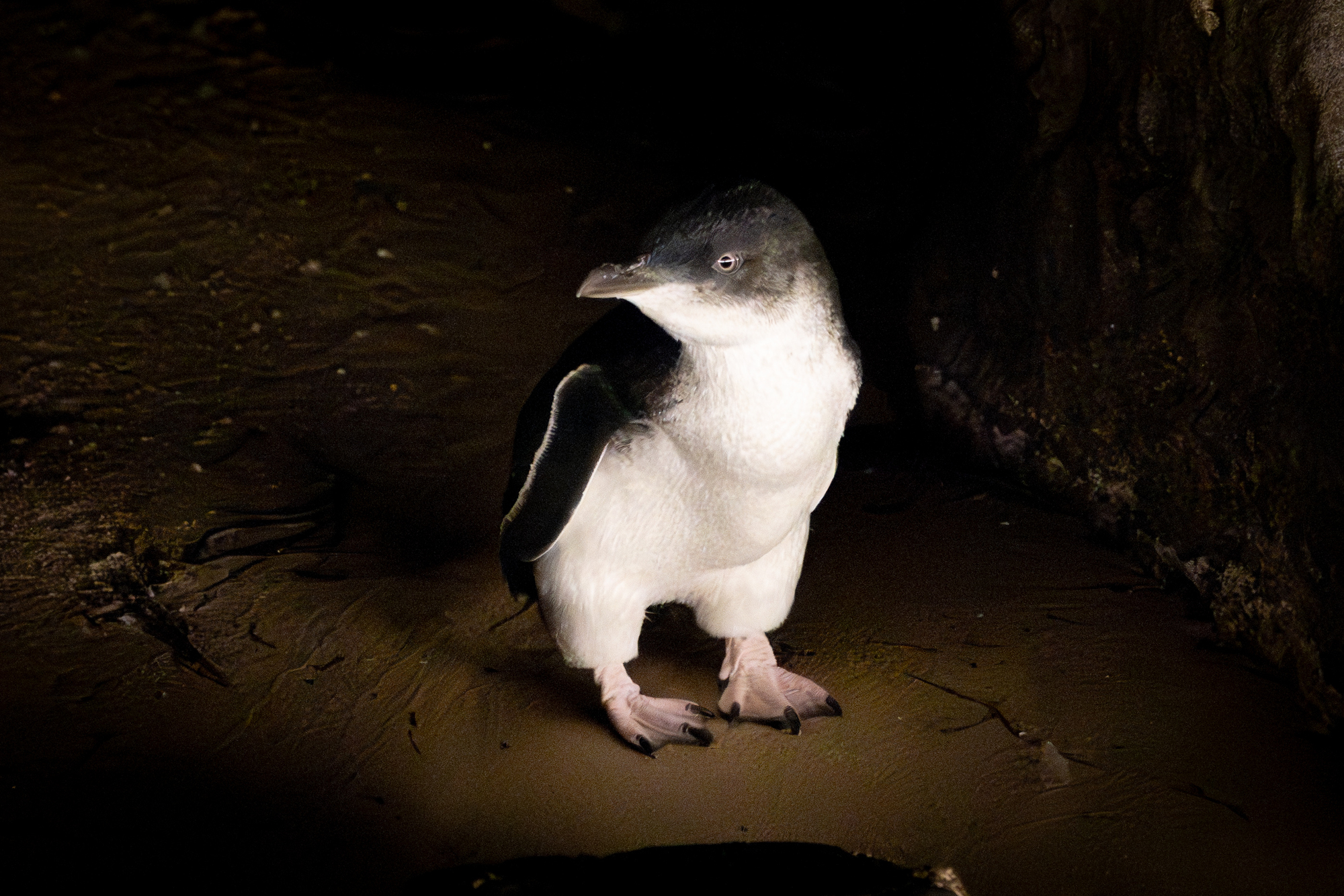
Phillip Island's little penguins are getting bird flu vaccines in a world-first program
BY THE OPTIMIST DAILY EDITORIAL TEAM Little penguins are the world's smallest species of penguin, standing about the height of a ruler, found only in southern Australia and New Zealand. Every night on Phillip Island in Victoria, tens of thousands of them come in from the sea and return to the Read More...

The world hit 3 terawatts of solar power faster than anyone predicted
BY THE OPTIMIST DAILY EDITORIAL TEAM The first terawatt of global solar capacity took nearly 68 years to reach. The second arrived in roughly two years. The third came in 19 months. The world crossed the 3-terawatt mark in early 2026, and the pace is still picking up. In 2025 alone, the world Read More...
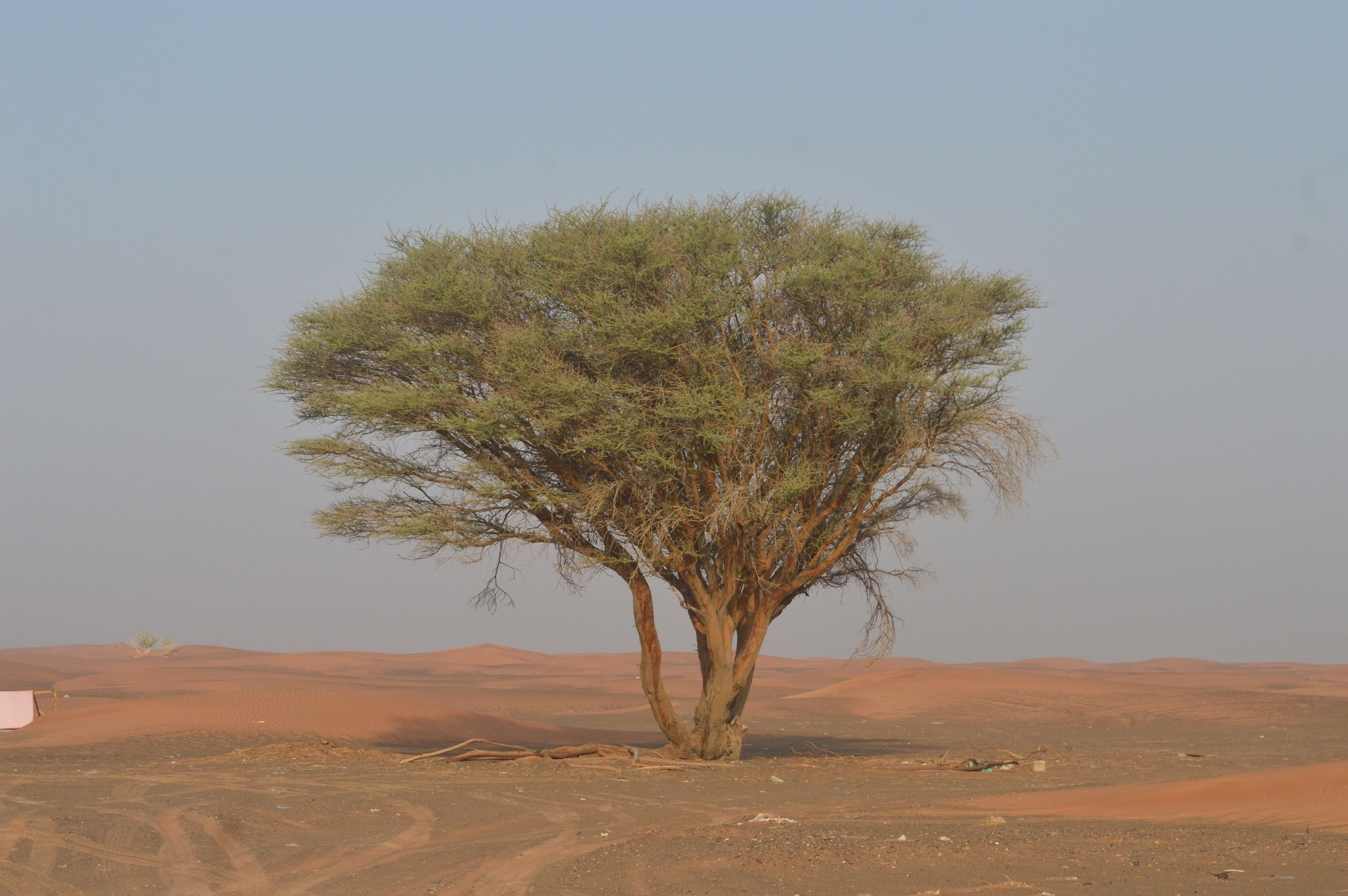
How Niger restored 5 million hectares without planting a single tree
BY THE OPTIMIST DAILY EDITORIAL TEAM In 1983, an Australian agricultural adviser named Tony Rinaudo was working in the Sahel when he noticed something that didn't fit the picture everyone had of the region. The land looked barren. But beneath the depleted soil, root systems were still alive. Read More...
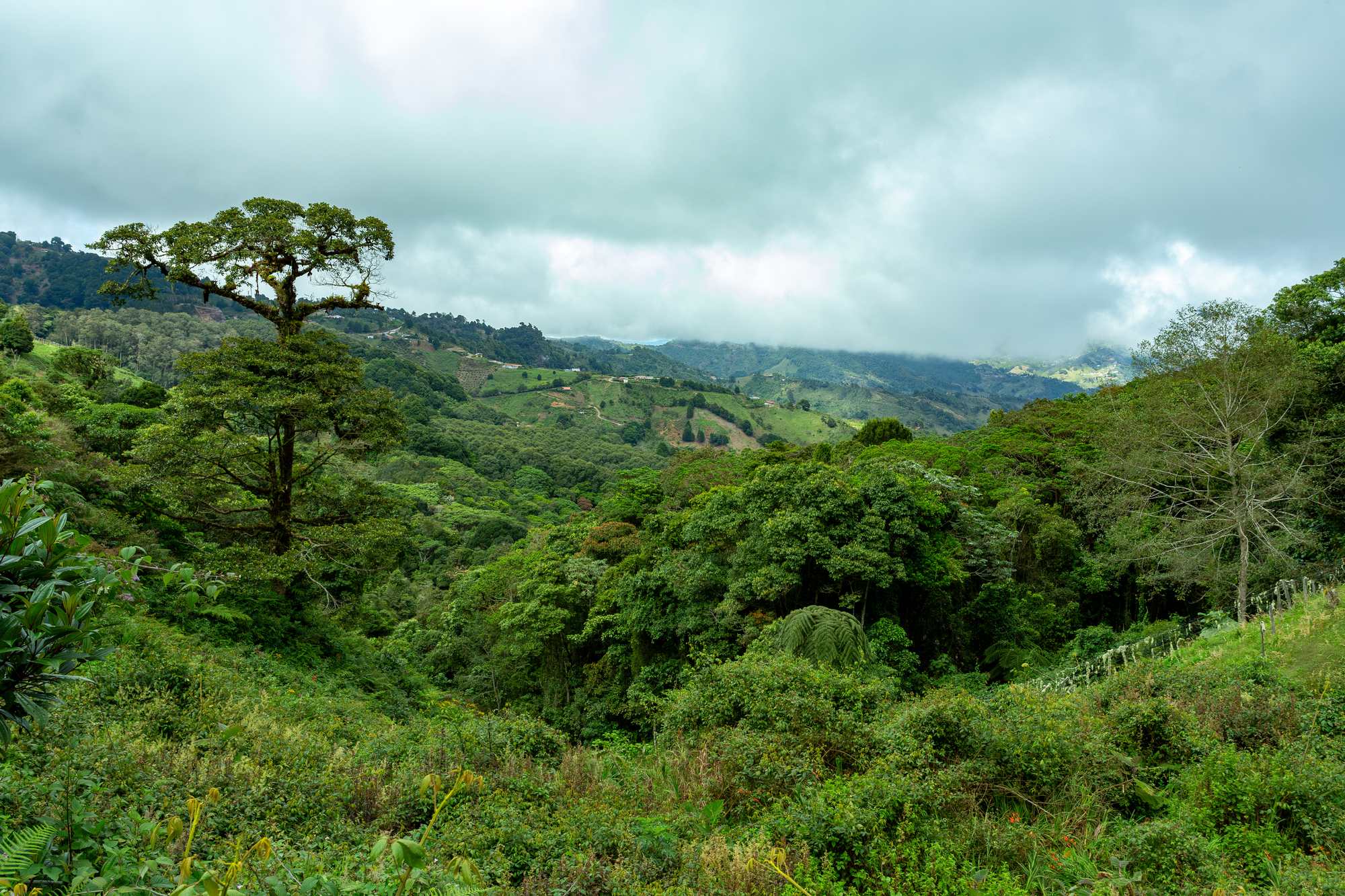
Rainforest biodiversity rebounds within a single generation
BY THE OPTIMIST DAILY EDITORIAL TEAM Cleared tropical rainforests can recover 90 percent of their species diversity within a single human generation, according to new research from Ecuador's Chocó region, one of the most biodiverse stretches of Pacific coast forest on the continent. The Read More...

The Newcastle researcher turning ocean plastic into a dolphin rescue strategy
BY THE OPTIMIST DAILY EDITORIAL TEAM Gillnets catch dolphins by accident. The nylon mesh hangs nearly invisible in the water, and dolphins’ echolocation, the system they rely on to navigate and hunt, can fail to detect it. The filaments may produce no detectable echo, or the dolphins may Read More...
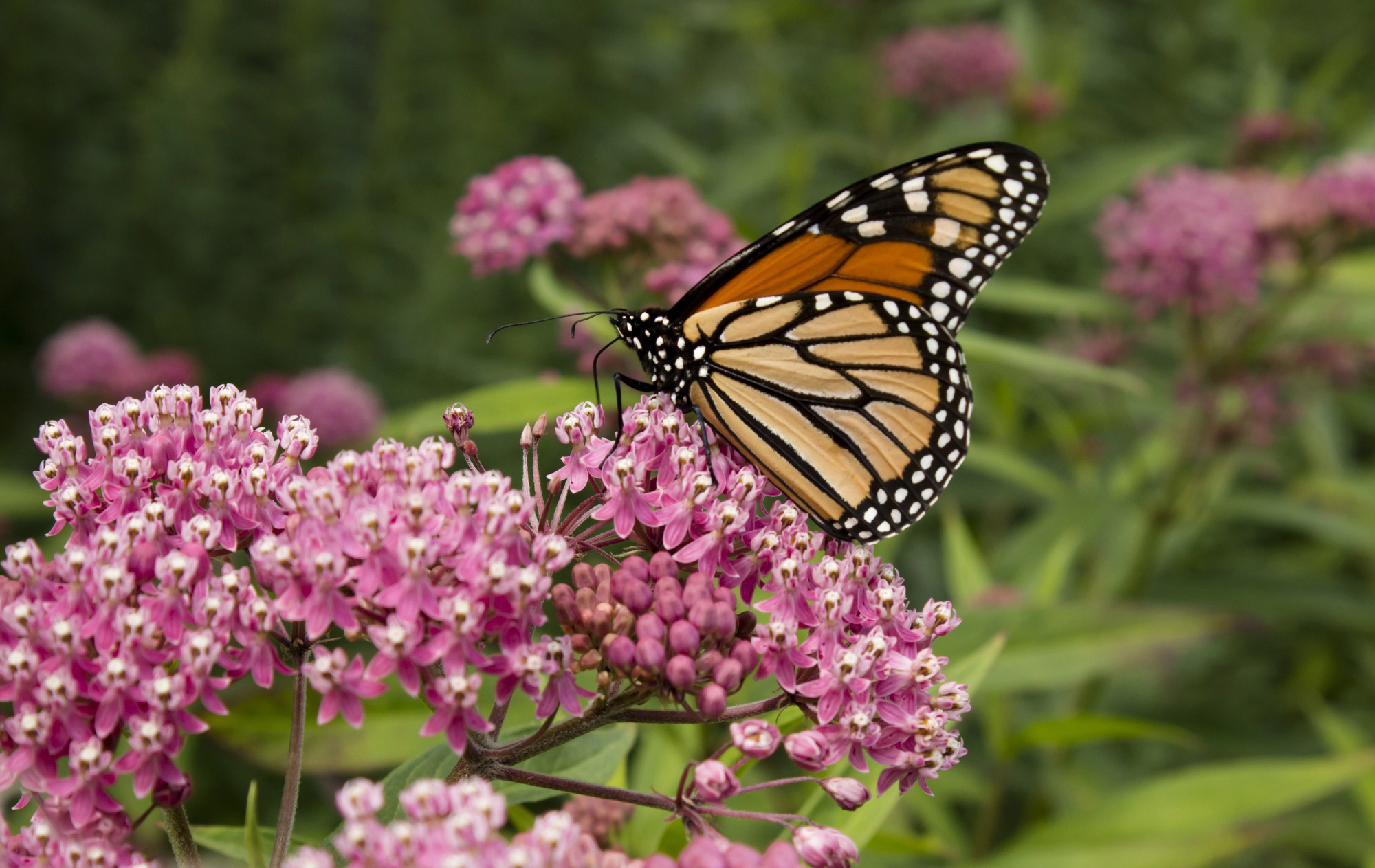
Roadside milkweed is giving monarchs a new migration highway
BY THE OPTIMIST DAILY EDITORIAL TEAM Researchers have planted 9,000 milkweed plants along roads in six North Florida counties, with 6,000 more going in before 2029. Monarchs are already showing up at the sites. The work is part of a national effort led by the University of Illinois Chicago to Read More...