


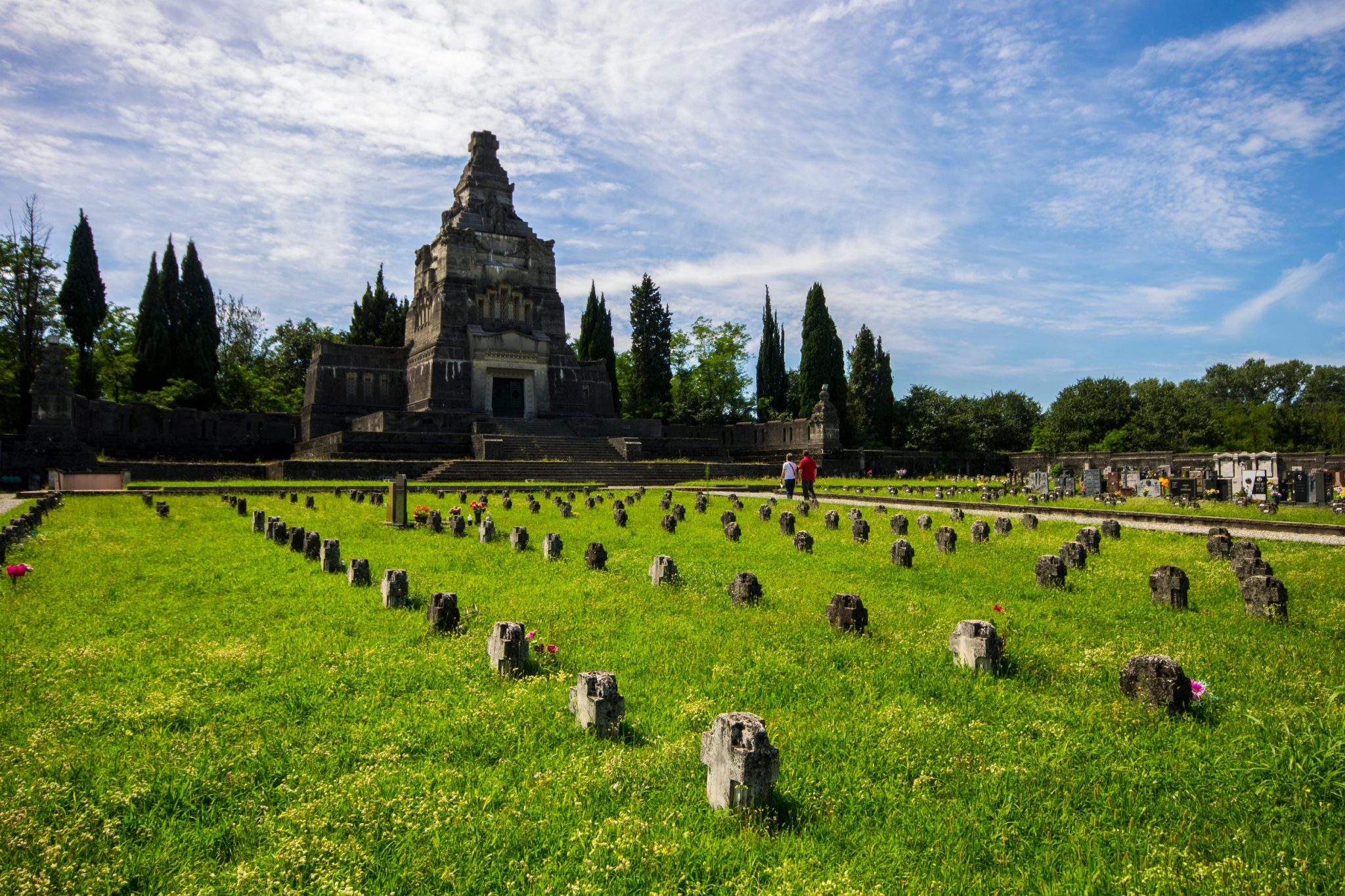
Historic burial places often bring about thoughts of peace and death, however, they actually have a lot of potential for preserving ecological systems and conserving biodiversity that has otherwise been lost in the region.
This is because cemeteries have spiritual and sentimental meaning, and so they are less likely to be degraded over time as caretakers work to maintain and restore these sites. Most historical burial sites were protected from urban or agricultural development, which means that many cemeteries have retained their natural vegetation, including rare and endangered plant species.
Historic Cemeteries in North America
Cemeteries established in the prairies by pioneers are some of the most comprehensively studied in the world. Researchers have been documenting the preservation of prairie remnants in pioneer cemeteries since the 1960s and have documented lost species as well as discovered many characteristic species and rare prairie plants.
The challenge of conserving historic burial sites and the biodiversity they possess is that most of these sites look, to the modern eye, abandoned or unkempt. This perception of tall grasses and “wild” vegetation is due to the conditioning of most people by neat, well-manicured lawns in urban and suburban areas, however, allowing these historic species of plants to flourish is important to the preservation of the cultural heritage of cemeteries.
While several historic cemeteries are now protected by the state, such as Bigelow Prairie Pioneer Cemetery State Nature Preserve in Ohio, several more are neglected and vulnerable to invasive species, vandalism, and other threats.
Warren Ferris Cemetery, Texas
Warren Ferris Cemetery was once overrun by a century of invasive plants and vandalism; however, it has now turned into an exemplary site for sustainable land management and ecological restoration. Nonprofit Friends of the Warren Ferris Cemetery continues to restore the cemetery and aid other historic cemeteries in the process of setting up nonprofits and developing native landscape plans.
According to Food Tank, Friends of the Warren Ferris Cemetery has “removed invasive vegetation, allowing native species to bloom. [It] has documented 50 different species, including slender verbena or Texas vervain, narrow-leaf stoneseed, sunflowers, and junipers.” The group hopes that their actions will “foster beneficial conditions for pollinators such as bees, birds, beetles, butterflies, flies, moths, and wasps,” and that, through a proposed partnership with the Native Plant Society of Texas, they can revitalize 5,500 more neglected historic cemeteries throughout the state.
Their work honors the rich history of those who rest on the site while conserving nature and building community
Restoring Cemeteries for Biodiversity Conservation
There are approximately 50,000 cemeteries in Texas alone, of which only about 30 percent are indicated on the Texas Historic Sites Atlas. Approximately one-third are not assigned caretakers responsible for their maintenance.
Hopefully, more burial sites will be recognized and valued by groups like Friends of the Warren Ferris Cemetery, so that more natural sites will be allowed to flourish, preserving cultural history, boosting biodiversity, and supporting local wildlife.






