


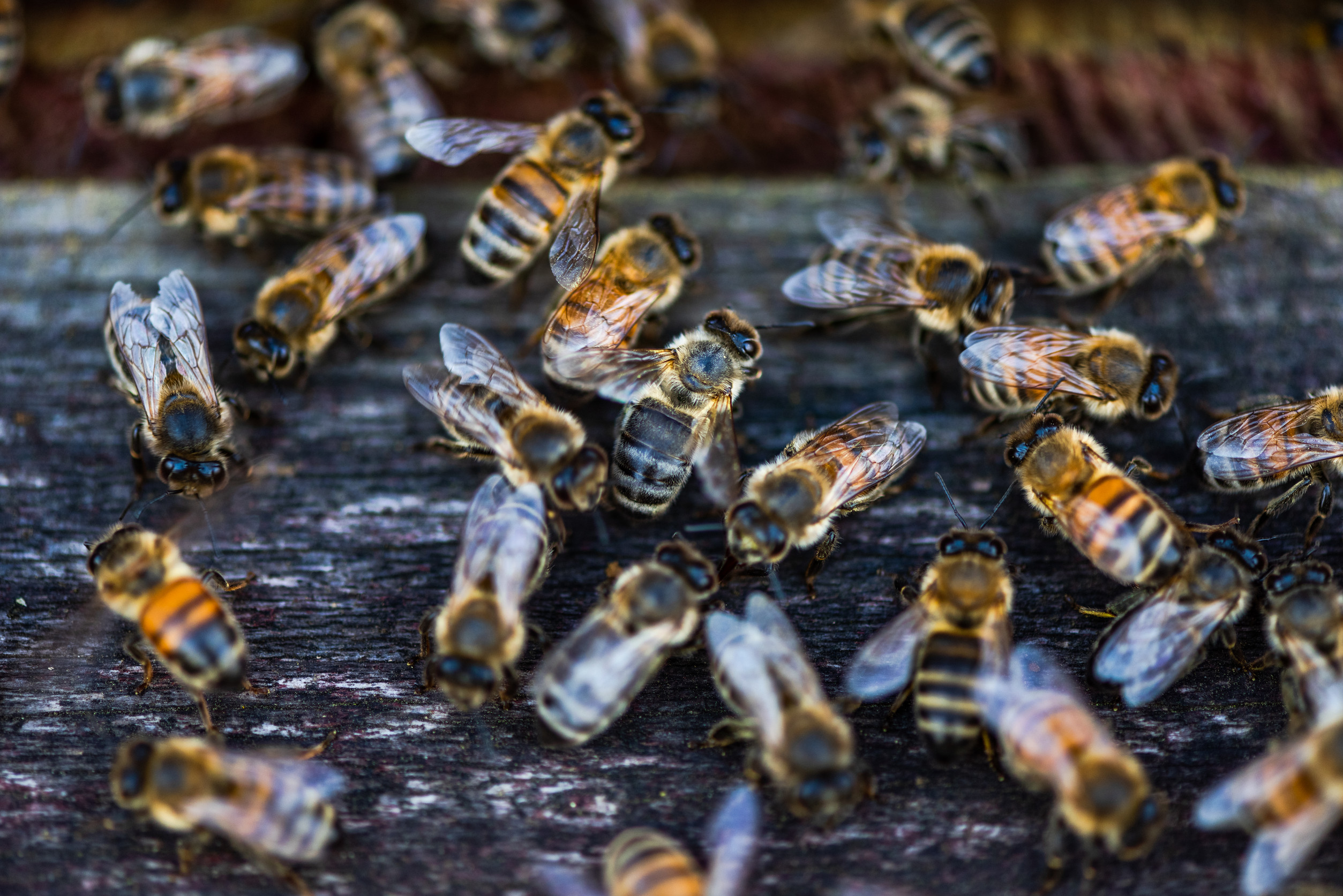
As we like to remind our readers a lot at The Optimist Daily, honeybees are essential for our planet’s ecosystem. Humans rely on these little pollinators for food security as they basically pollinate everything! Not to mention the countless other species that rely on plants to feed and for oxygen.
The honeybee population has dramatically declined in the past few decades, with the most pervasive cause being limited nutrition. Thankfully, a team from Indiana University (IU) has been tackling this issue, thoroughly studying the nutritional life of these essential creatures.
“The effects of poor nutrition are most damaging in the developing larvae of honeybees, who mature into workers unable to meet the needs of their colony,” said Irene Newton, who led the study. “It is therefore essential that we better understand the nutritional landscape experienced by honeybee larvae.”
What do bees nutritionally need?
For honeybee colonies to stay healthy and receive a balanced diet throughout the year, they need to collect pollen and nectar from a variety of plants and flowers. The larvae are fed by their sister bees on a diet of nectar, pollen, and royal jelly – a complex and nutrient-rich substance. This royal jelly is essential for raising young and maintaining social structures in bee colonies, as well as possessing potent antimicrobial properties.
Most microbes exposed to this jelly subsequently die due to these properties, apart from one. The IU study has revealed that the bacteria Bombella apis (B. apis) not only thrives in the royal jelly but also makes it significantly more nutritious, which is important for developing bees’ resilience against nutritional stress.
“We have identified a nutritional symbiont of honeybees — a microbe that can help bolster the bees against nutrient scarcity and stress,” Newton explained. “When we limited bee nutrition during development, we saw a drop in mass for the bees; bees were much smaller than their control counterparts.
They continued: “When B. apis was added to these same bees, although they had poor nutrition, they reached the same mass as control bees given full nutrition. The microbe was able to make up for the poor diet. This suggests that B. apis could be added to colonies as a probiotic to protect from nutritional stress.”
Why is this important?
This study implicated B. apis with a key role in ensuring the royal jelly’s nutrition. This information has the potential to be extremely valuable for future beekeepers’ efforts to keep their honeybees happy and healthy, with the possibility of integrating the bacteria as a probiotic into their diets. Plus, be useful for conservation efforts regarding wild bees.
Source study: the International Society for Microbial Ecology Journal – Honey bee symbiont buffers larvae against nutritional stress and supplements lysine






