Costa Rica is a jewel of a country, and one of the most biodiverse places on the planet. Residing in its mountains, jungles, and beaches are approximately half a million animal and plant species.
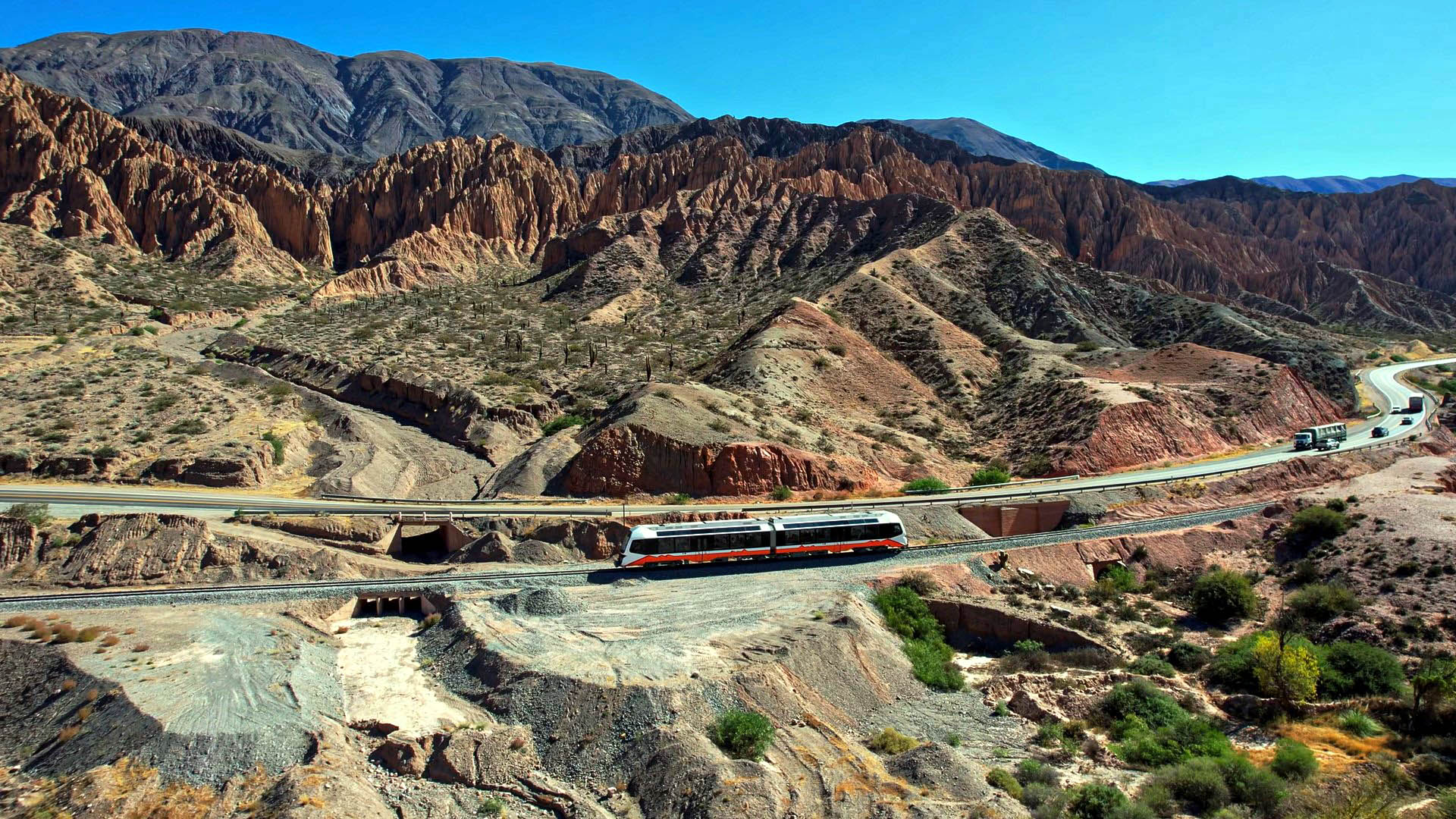
Although Costa Rica is a leader in conservation, it also has the highest density of roads in Central America —more than 27,500 miles (44,316 kilometers)! Roads and highways fragment natural habitats, which presents a threat to wildlife, and often leads to collisions between vehicles and animals.
In the past 10 years alone, at least 461 wild cats have perished on Costa Rican roads.
Panthera’s Wild Cats Friendly Road Project
Enter Panthera’s Wild Cats Friendly Road Project in Costa Rica, an initiative coordinated by wildlife researcher Daniela Araya-Gamboa that is designed to reduce the number of roadkill accidents across the country.
Araya-Gamboa’s work is concentrated on saving wild cats by lowering the threats to their survival. She and her team do this by tracking areas where wildlife is often unable to successfully navigate the roads. This involves walking along highways with safety gear and reflective vests in the early morning or late into the evening.
“We survey the road by car at points when roadways reach a speed limit of 30 kilometers per hour. When the roads are dangerous, road police officers guard us, mostly at night as we also conduct monitoring in the evenings,” Araya-Gamboa told Treehugger.
“Upon seeing injured or deceased wildlife, we either help them cross roadways safely or move the wildlife corpse from the road. Finding wild animals still alive and suffering is extremely difficult.”
When the team comes across an animal, they take note of all the details. This includes the species, the GPS location of the animal when found, a photograph of the scene with the animal, and what kind of land use is next to the roadway.
Then, the data that Araya-Gamboa’s team collects is shared so that mitigation measures can be implemented in areas that pose a high threat to wildlife. This could mean retrofitting culverts, building road underpasses, or even arboreal wildlife crossings.
Highway growth and wildlife
By the year 2050, around 15.5 million miles (25 million kilometers) of new roads are expected to be constructed worldwide—and 90 percent of them will run through nations with rich ecosystems and biodiversity.
The hope is that Costa Rica’s road project will be an example for other countries to follow.
“We cannot continue to count the dead; action to mitigate this issue must be taken. That is the objective of this project: conservation action,” asserted Araya-Gamboa.
Next steps
While there are other projects such as the roadkill mitigation guide that Costa Rica’s Ministry of Transportation is using for new infrastructure development projects, more needs to be done.
“Throughout the country, we still very much need to ensure the implementation of wildlife protection measures on existing roads, including on rural roads neighboring Protected Areas,” Araya-Gamboa added. “To this day, the country still lacks official and specific legislation requiring the implementation of environmental measures on existing roads for wildlife.”