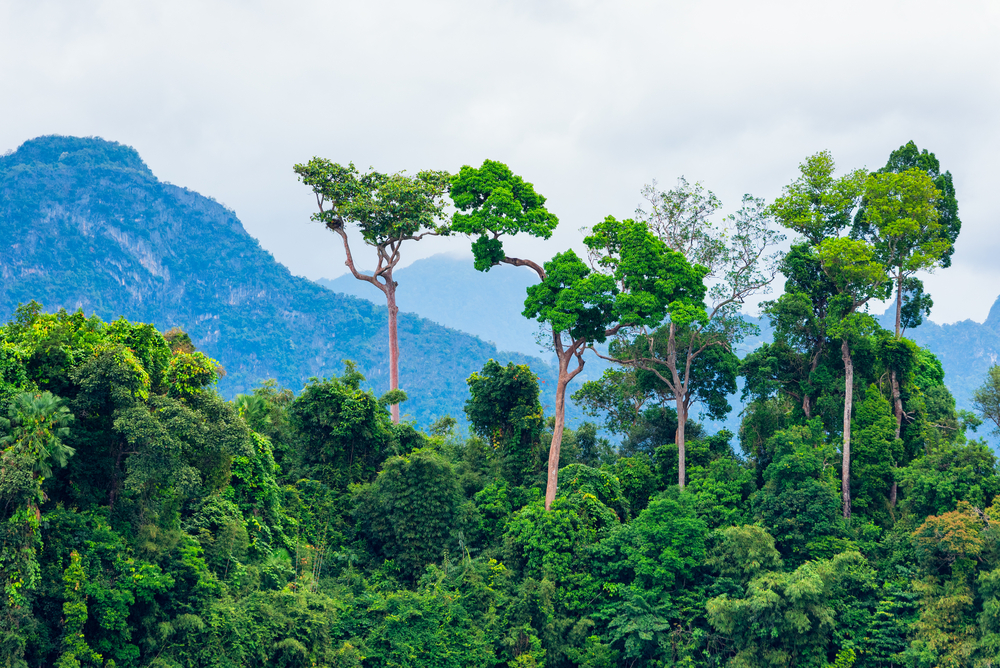
Ecuadorians made history by voting to prohibit the development of new oil wells in the Yasuní national park, in a resounding display of environmental consciousness and civic engagement. This amazing verdict not only protects one of the world’s most biodiverse places but also establishes a global precedent for resource management during a critical period of climate instability.
A watershed moment for biodiversity and climate
Ecuadorians voted to protect the unique Yasuní environment by approximately 20 percent, with more than 58 percent voting in favor of blocking oil development, according to Ecuador’s National Electoral Commission. This judgment has a strong resonance as the globe grapples with escalating climate challenges. The Tagaeri and Taromenane Indigenous groups live in voluntary isolation in the Yasuní National Park, which is noted for its exceptional biodiversity. This victory is one of the earliest examples of a nation adopting democratic mechanisms to curb resource extraction, and it will be remembered globally as a model for long-term action.
Indigenous leadership and international impact
Indigenous leadership was critical to this victory for nature and people. Indigenous Waorani leader Nemonte Nenquimo praised the ruling as a triumph for all Indigenous peoples, animals, and the climate, saying “Today is a historic day! As a Waorani woman and mother, I feel overjoyed with Ecuadorians’ resounding decision to stop oil drilling in my people’s sacred homeland.”
In these times of climate disaster, Leonidas Iza, head of Conaie, Ecuador’s umbrella Indigenous federation, underlined the importance of human effort in saving the earth. This referendum exemplifies the power of human-nature cooperation.
A transition to long-term progress
The outcome of a second referendum, in which Quito residents decided to prohibit gold mining in the Chocó Andino, demonstrates Ecuador’s commitment to long-term growth. Citizens voted to safeguard another vulnerable highland biosphere by a large margin of roughly 68 percent to 31 percent. This illustrates the country’s determination to strike a balance between economic development and environmental protection.
Preserving Yasuní’s biodiversity and cultural heritage
The binding referendum has protected the Yasuní National Park from oil exploitation. This decision will safeguard the future of the park’s rich flora and fauna by preserving around 726 million barrels of oil beneath the surface. Furthermore, the referendum recognizes the cultural significance of the park’s Indigenous people, guaranteeing that their way of life is not disrupted.
The Ecuadorian government’s decision to cease oil drilling in the Ishpingo-Tambococha-Tiputini (ITT) oil project, known as oil block 43, poses a serious challenge to the fossil fuel industry. While some economists have predicted economic repercussions, the nation’s focus on nature and sustainability sends a clear message: prudent resource management is non-negotiable, especially in the face of economic problems.
With the government mandating that operations and infrastructure end within a year, the move to cleaner energy sources and sustainable practices becomes a definite reality. The referendum’s success echoes Ecuador’s president’s historic 2007 proposal to leave oil reserves alone in exchange for international recompense. Though that project failed, the transformation of this idea into action demonstrates Ecuador’s unwavering commitment to environmental preservation.
Ecuador‘s pioneering referendum stands as a light of hope for worldwide efforts to battle climate change and safeguard the planet’s most valued ecosystems as we move forward. It highlights how, through democratic engagement, humanity can work together to protect the environment and ensure a sustainable future for everybody. Nations around the world may follow Ecuador’s lead and pave a road toward harmony between development and conservation by adopting this creative method.