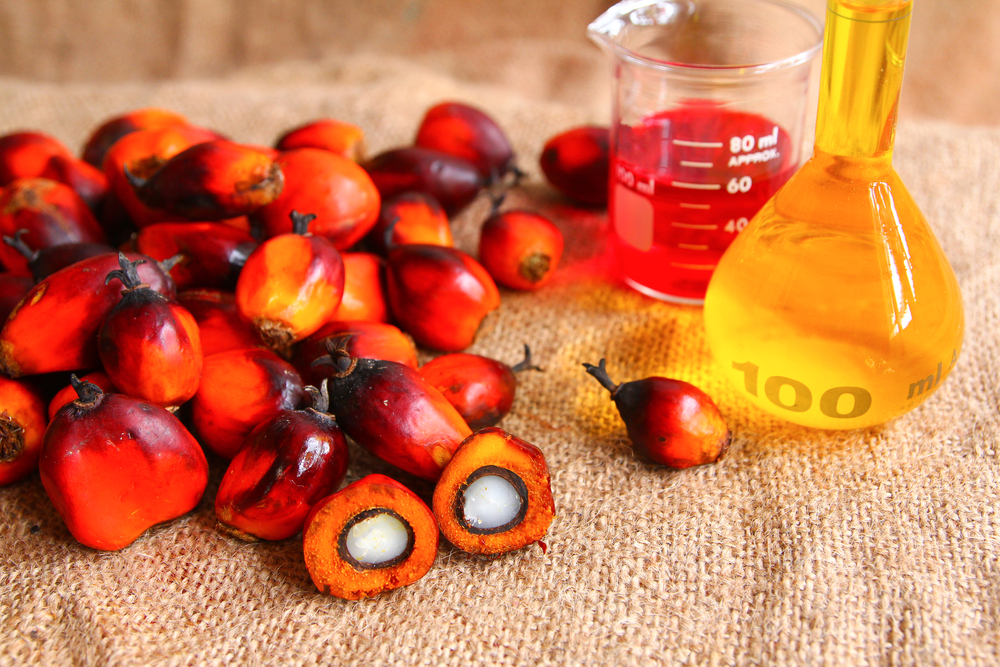
The global need for palm oil, a common ingredient in food and cosmetics, has long been a source of worry due to its association with deforestation. PALM-ALT, a Scottish research team from Queen Margaret University in Edinburgh, believes it has discovered the code to a sustainable alternative.
The quest for an alternative to palm oil
Palm oil, which is used in roughly half of all grocery products, has contributed to deforestation in equatorial areas where oil palm trees grow. This disastrous environmental impact led to the development of PALM-ALT, a viable alternative developed by Queen Margaret University specialists.
PALM-ALT is not just a sustainable decision; it is also a nutritional triumph. PALM-ALT promises healthier food items with 80 percent less saturated fat and 30 percent fewer calories without sacrificing taste or texture.
PALM-ALT: A health and sustainability game-changer
The PALM-ALT invention has two advantages: it is both ecologically friendly and nutritionally excellent. It not only reduces the environmental imprint but also improves the health profile of the items into which it is included, making it a win-win solution for customers and the earth.
This unique product has a mayonnaise-like consistency and is free of palm and coconut ingredients, as well as any additional flavorings, sugar, sweeteners, preservatives, or colorings. It is instead based on a byproduct of the linseed industry, natural fiber, and rapeseed oil.
PALM-ALT’s potential impact on the food industry
PALM-ALT has the potential to revolutionize the food business. PALM-ALT has the key to make a wide range of products healthier and more sustainable, with an international patent application in the works and conversations with manufacturers already beginning.
Because of its unrivaled versatility, palm oil has become a mainstay in the food and cosmetics industries. However, the environmental cost of its manufacturing is problematic, ranging from deforestation to biodiversity loss. PALM-ALT is a clear winner in terms of sustainability because it not only provides a nutritionally superior alternative but also reduces carbon emissions by approximately 70 percent.
Catriona Liddle, one of the lead developers on the QMU team, stressed the importance of palm oil in baking and the food industry as a whole. However, with PALM-ALT’s nutritional and environmental benefits, this may be changing.
Liddle declared that PALM-ALT is “the holy grail to replace [palm oil] and still have exactly the same end result in product – to taste the same and have the texture the same – and we’ve done that.
“We’ve put it through some special sensory testing to see if a panel can tell the difference between our product and traditional palm shortening, and they can’t.”
As discussions with possible manufacturers begin, PALM-ALT’s future appears bright. It has the potential to transform the food business, beginning with healthier and more sustainable bakery products such as bread, cakes, and biscuits. With the launch of PALM-ALT, the drive toward a more sustainable and nutritious food business has taken a huge step forward.
PALM-ALT is more than just an alternative; it is a healthier, more environmentally responsible game changer. Its potential to replace palm oil in a wide range of goods has piqued the interest of the food industry, and it may hold the key to a more sustainable and nutritious future.