In a significant step toward environmental conservation, Poland’s newly appointed climate and environment minister, Paulina Hennig-Kloska, declared a half-year halt on logging in ten of the country’s most valuable forests. These initiatives highlight the government’s commitment to preserve 20 percent of the nation’s woods, indicating a substantial policy shift. Let’s dig into the specifics of this historic judgment and its potential influence on Poland’s rich biodiversity.
Moratorium on logging: a critical first step
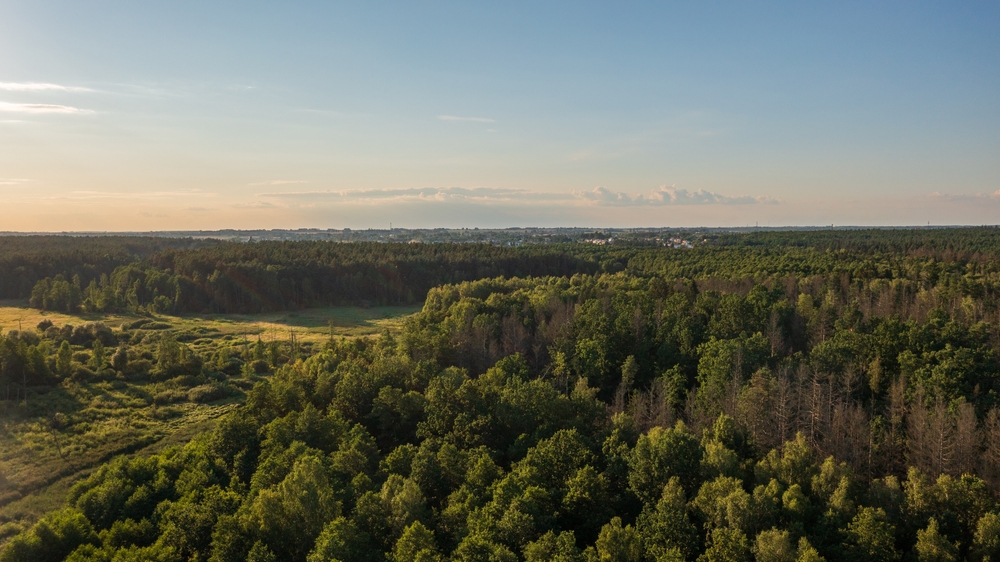
Hennig-Kloska emphasized the seriousness of the situation, saying, “I will get saws out of Polish forests.” The six-month moratorium, impacting 1.5 percent of state-managed forests, targets some of Poland’s most biodiverse ecosystems, including the Carpathian forest, Knyszyn forest, and those surrounding Wrocław. Deputy climate minister Mikołaj Dorożała stressed the significance of these sites, noting, “These are the most valuable natural places that have a very important social aspect, including being near large urban centres.”
Poland’s struggle with deforestation
Poland, home to some of Europe’s few remaining ancient woodlands, has experienced tremendous challenges due to excessive logging. Greenpeace Poland‘s nature campaigner, Aleksandra Wiktor, emphasized the “enormous devastation” seen in the country’s woodlands. State-owned forest management businesses are deemed in need of comprehensive reform to guarantee they serve society and safeguard the environment rather than becoming profit-driven entities.
The government’s commitment to climate action
Poland’s new administration has announced aggressive climate action plans, promising to hasten the transition from coal to renewables, enhance clean energy output, and reduce global-warming emissions. The emphasis on enhancing environmental regulations, especially anti-deforestation measures, is a shift from earlier policies.
Białowieża National Park
Minister Hennig-Kloska began her tenure by visiting Białowieża National Park, a UNESCO heritage site noted for its old woods. Plans were announced to draft a forest constitution that emphasizes collaboration with local people, environmental groups, foresters, and scientists. This step underscores Warsaw’s commitment to collaborative decision-making and a shift away from centralized decision processes.
Addressing past tensions with the European courts
Poland has regularly clashed with European courts over its logging practices, raising questions about the country’s commitment to forest conservation. Hennig-Kloska stated, “We are ending an era in which strategic decisions regarding the natural environment in Poland are made from behind a desk in Warsaw,” indicating a shift away from traditional procedures and a dedication to a more collaborative approach.
Poland’s strong attitude on forest preservation signals a watershed moment in the country’s environmental policy. The administration is demonstrating its commitment to preserving its unique ecosystems by imposing a logging halt and promising tougher climate action. The moratorium is being closely watched by environmentalists and the general public, with the hope that it may pave the way for a more sustainable and environmentally responsible future.