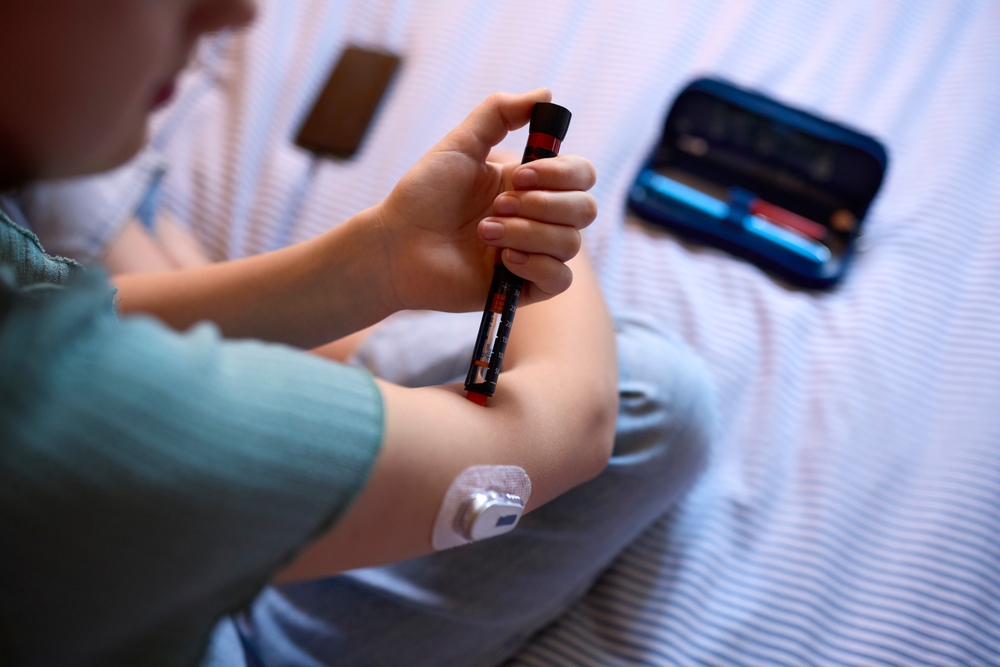
Type 1 diabetes, a disorder in which the immune system attacks insulin-producing cells, has long been difficult to treat effectively. However, researchers at Johns Hopkins Medicine discovered a potential game-changer: mAb43, a novel antibody medication designed to prevent and potentially reverse the onset of this terrible disease.
The promise of monoclonal antibodies
Monoclonal antibodies, regarded as a light of hope in modern medicine, have received attention for their adaptability in treating a variety of disorders. Unlike standard medications, mAb43 acts as a barrier, protecting beta cells from immunological attacks. This investigational medication functions as a protective cloak for beta cells by attaching to certain proteins on their surfaces, sheltering them from injury and increasing insulin production.
Experimental findings in mice
In a trial involving 64 mice prone to type 1 diabetes, researchers gave frequent doses of mAb43 injections. Surprisingly, all treated mice remained diabetes-free even after 35 weeks, demonstrating the drug’s preventative and potentially therapeutic qualities. Notably, beta cells treated with mAb43 showed evidence of regeneration, providing some hope for long-term diabetes treatment.
A look into human trials
While the study‘s findings are promising, further research is needed to create a human version of mAb43 and carry out clinical trials. Despite the looming affordability issue, scientists remain enthusiastic about the drug’s possibility to change diabetes therapy. With its selective targeting of beta cells and few side effects, mAb43 may open the path for safer, more effective medicines.
Looking ahead: transforming diabetes care
As the search for novel diabetes medications continues, mAb43 emerges as a light of hope for people living with type 1 diabetes. With its potential to protect and replenish beta cells, this investigational antibody medication provides a ray of hope in the fight against a lifelong ailment. As research progresses, the prospect of a world without the burdens of diabetes grows ever closer.
Source study: Diabetes—Cell-surface ZnT8 antibody prevents and reverses autoimmune diabetes in mice