


BY THE OPTIMIST DAILY EDITORIAL TEAM
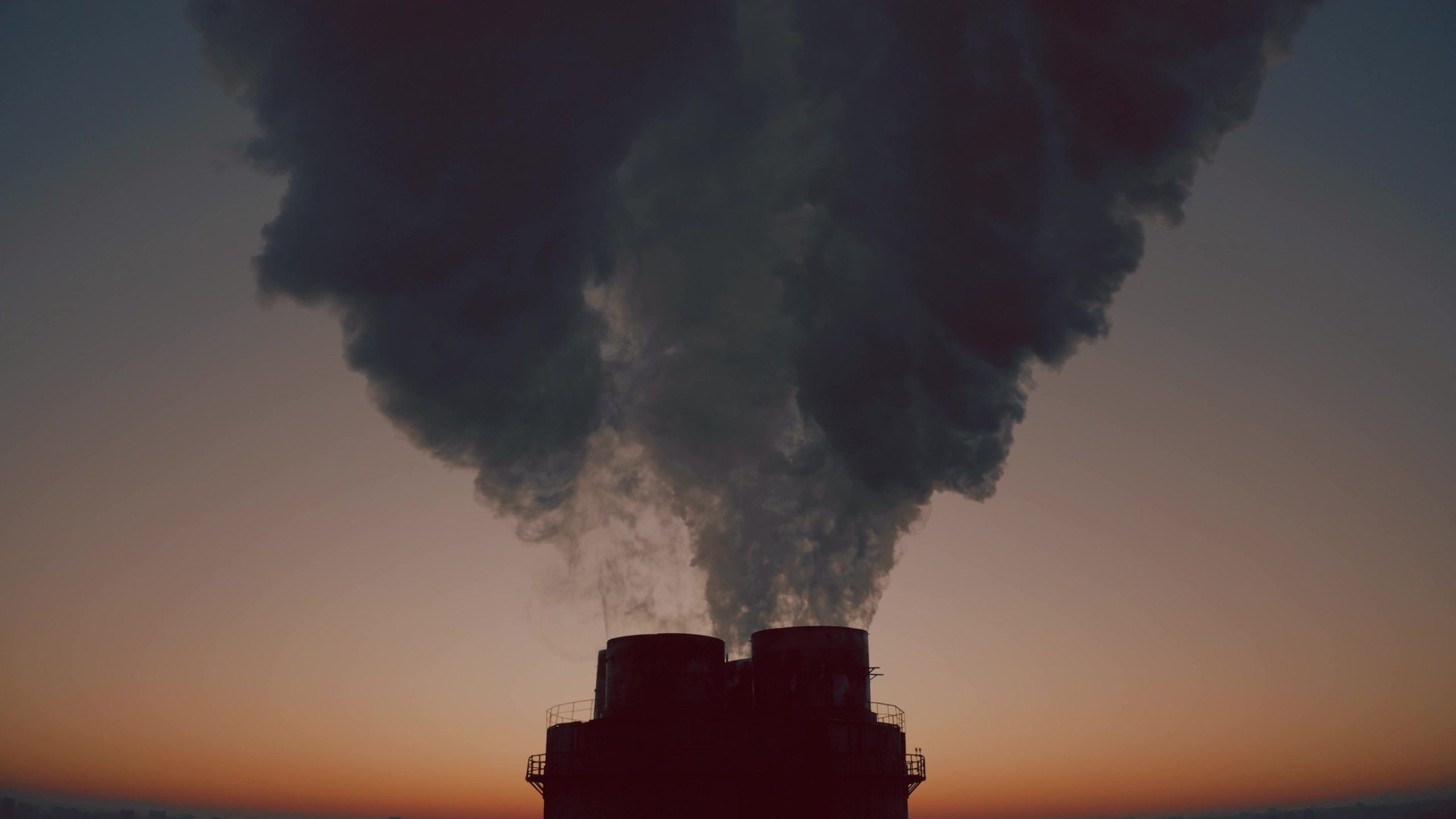
Britain became the first G7 country to formally eliminate coal-fired power generation last Monday, when it closed its final coal power station, Ratcliffe-on-Soar in Nottinghamshire. This historic occasion marks the end of over 140 years of coal power in the United Kingdom and a big step forward in the country’s decarbonization efforts.
A decade in the making
In 2015, Britain announced its resolve to phase out coal as part of a larger climate change strategy. Coal provided roughly 30 percent of the country’s electricity at the time, but by last year, that ratio had dropped to just over one percent. This strategy concludes with the closure of the Ratcliffe-on-Soar plant.
“The UK has proven that it is possible to phase out coal power at unprecedented speed,” stated Julia Skorupska, Head of the Powering Past Coal Alliance Secretariat. The Alliance, which includes over 60 country governments, has been fighting to stop coal power worldwide. Britain’s quick transformation serves as a source of hope for other countries striving to reach their climate targets.
Cutting emissions in half
The decline in coal power has helped Britain cut its greenhouse gas emissions by more than half since 1990. Emissions from electricity generation account for around three-quarters of the country’s total greenhouse gas emissions, making the transition away from coal a critical component of the UK’s ambition to achieve net zero by 2050.
Energy Minister Michael Shanks emphasized the broader implications of this transition: “The era of coal might be ending, but a new age of good energy jobs for our country is just beginning.” To reach its aim of decarbonizing the electrical industry by 2030, the UK is now focusing on increasing the use of renewable energy sources such as wind and solar.
Global implications
While Britain is leading the way, the other G7 countries still confront considerable obstacles. Germany and Japan, in particular, continue to rely extensively on coal, generating more than 25 percent and 30 percent of their electricity, respectively. “There is a lot of work to do to ensure that both the 2035 target is met and brought forward to 2030, particularly in Japan, the US, and Germany,” said Christine Shearer, Research Analyst at Global Energy Monitor.
The G7 agreed in April to phase out coal power by 2035, but critics say countries that rely heavily on coal are moving too slowly.
Looking ahead
As Britain begins a new chapter, the attention switches to expanding renewable energy to satisfy future demands. While achieving a fully decarbonized energy sector would take substantial effort and expenditure, the closing of Ratcliffe-on-Soar represents a historic success in the fight against climate change.






