BY THE OPTIMIST DAILY EDITORIAL TEAM
Mexico City took a significant step toward curbing bullfighting cruelty, voting to replace traditional bullfights with a new, bloodless version of the controversial spectacle. While animal rights activists welcomed the decision, they acknowledge that the reform falls short of the total ban they had hoped for.
“Bulls will no longer be subjected to the brutal cruelty of being repeatedly stabbed and ultimately killed in the ring, which is something we welcome,” said Anton Aguilar, executive director of Humane World for Animals Mexico. However, he cautioned that “a bull event without violence does not mean one without suffering.”
What is bloodless bullfighting?
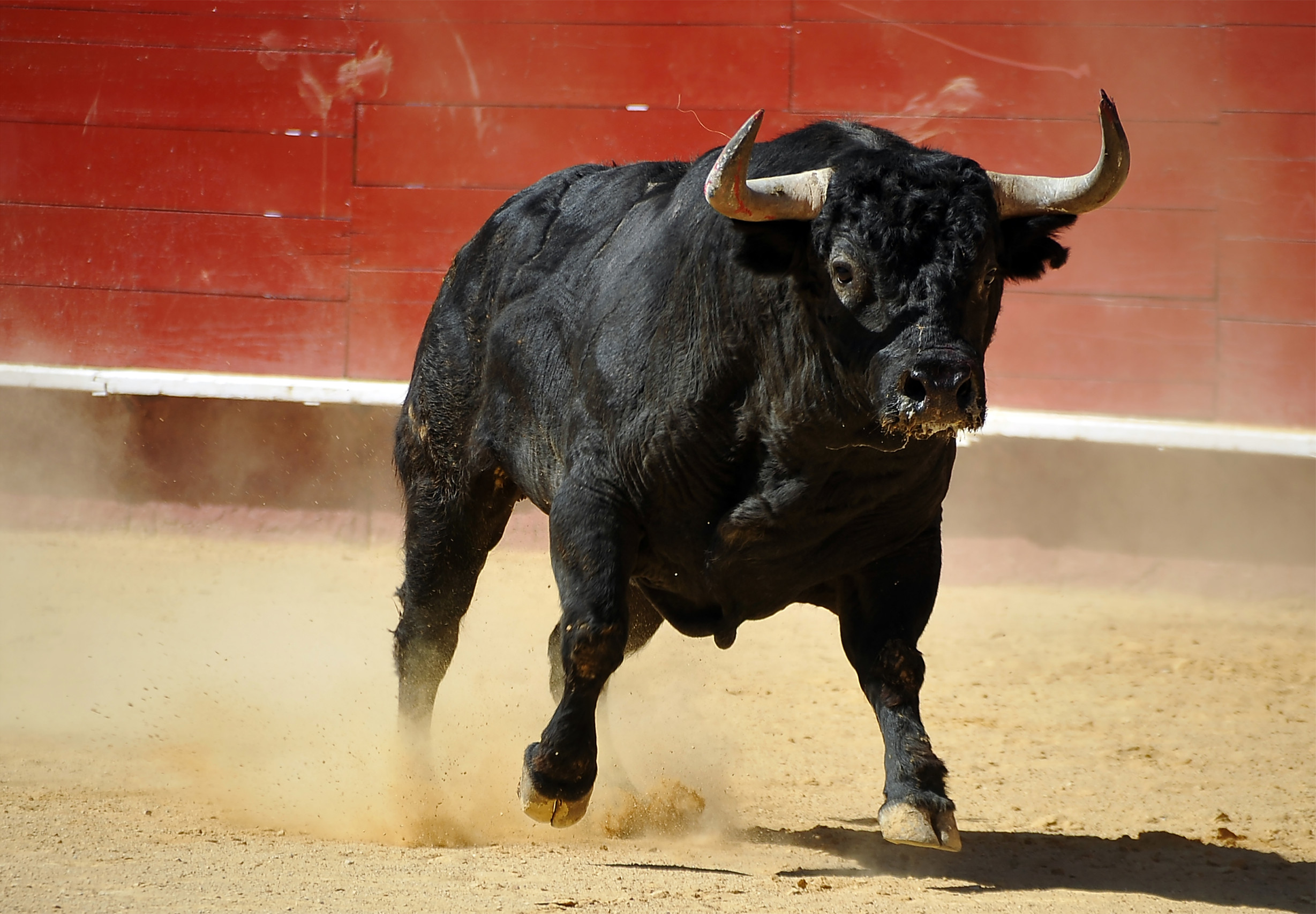
Under the new regulation, Mexico City’s Plaza México, the largest bullfighting ring in the world with a seating capacity of 42,000, will still host bullfights—but without the traditional weapons used to wound or kill the animals.
Instead of facing barbed spears, lances, and a final sword thrust, bulls will now engage with matadors who use only capes to guide their charges. Their horns will be protected to prevent injuries to the matador or other animals, and the events will be limited to 15 minutes. Afterward, the bulls will be returned to their owners and ranches, with no harm permitted inside or outside the ring.
A compromise between tradition and ethics
The shift comes after a citizens’ initiative originally proposed an outright ban on bullfighting. However, Clara Brugada, head of the Mexico City government, modified the measure to allow non-violent bullfights, aiming to balance economic interests with ethical concerns.
“The spectacle of blood cannot be justified under any concept of art and tradition,” Brugada stated. “Some will argue that it is part of traditions and culture, but culture, music, art, and even rights evolve and transform. Animal welfare is a right and a duty for society.”
Brugada and Mexico’s president, Claudia Sheinbaum, have voiced their support for the initiative, emphasizing the importance of modernizing traditions to align with evolving societal values.
Industry pushback and doubts about success
Despite the government’s enthusiasm, the bullfighting industry has strongly opposed the reform, arguing that they were not consulted before its passage. Salvador Arias, a lawyer for Tauromaquia Mexicana, an organization defending bullfighting, claimed that a similar bloodless bullfighting experiment in Spain’s Balearic Islands ultimately failed due to a lack of fan interest and legal challenges.
Critics within the bullfighting community argue that the spectacle’s appeal is tied to its dramatic, life-or-death nature. Culture Without Torture, an animal rights group, acknowledged that the decision falls short of an outright ban but expressed skepticism that these new events would gain traction. “In practice, we doubt that the proposed events will take place, since what fans of bullfighting truly want to see is blood,” the group stated.
A new chapter or a fading tradition?
This reform represents a partial victory for animal rights activists while raising questions about the future of bullfighting in Mexico City. If the bloodless format fails to attract spectators, the movement to completely outlaw bullfighting may gain momentum.
Meanwhile, the decision underscores a broader global shift in attitudes toward animal welfare as governments and citizens reconsider long-standing traditions that involve animal cruelty. Whether this experiment succeeds or falters, Mexico City’s move reflects a growing acknowledgment that ethical considerations must play a role in cultural preservation.