


BY THE OPTIMIST DAILY EDITORIAL TEAM
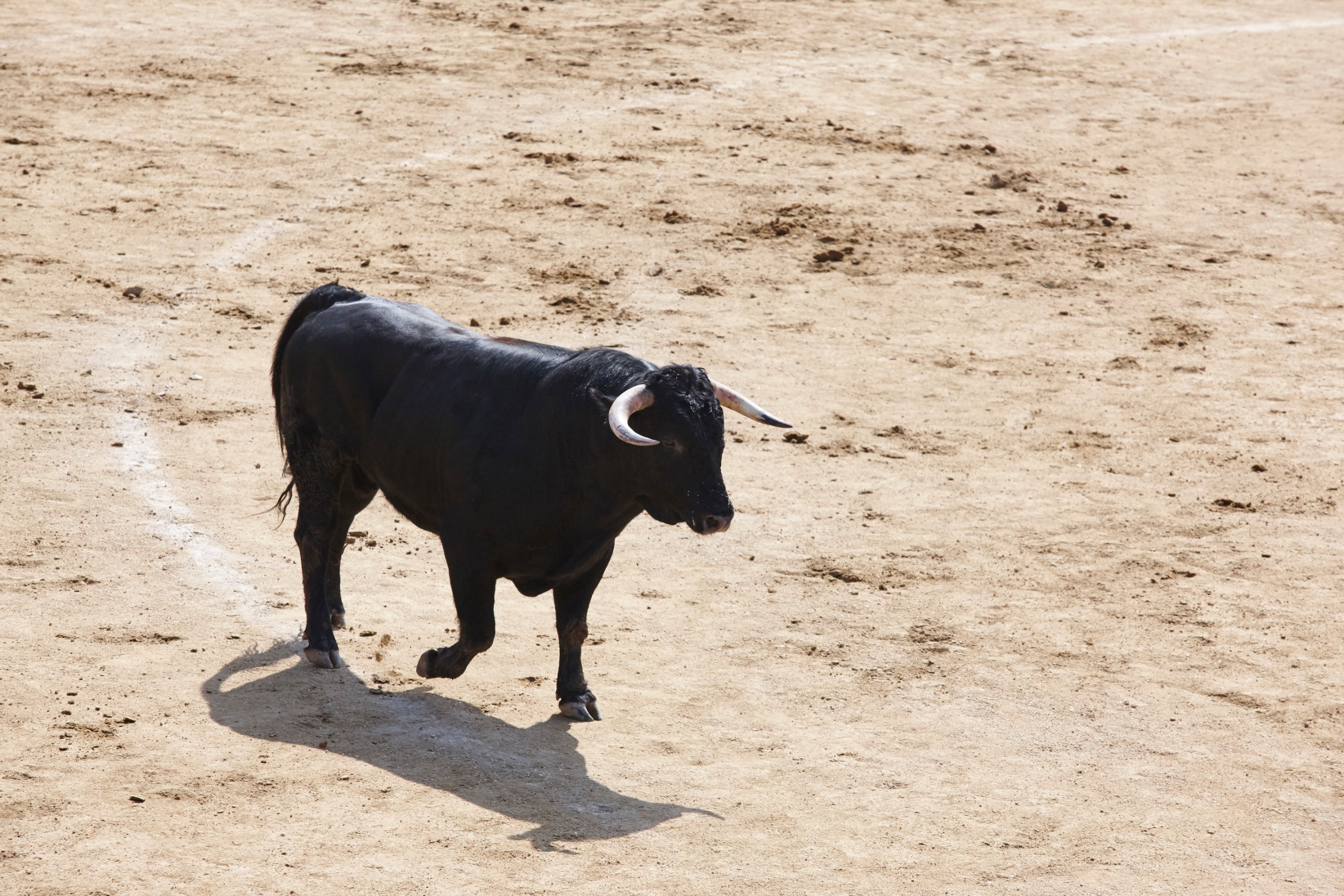
Colombia’s President Gustavo Petro signed legislation prohibiting bullfighting, marking a historic step forward for animal rights. Animal rights advocates are celebrating the decision, which marks a shift in cultural attitudes. The practice will be phased out nationwide by 2027.
Legislative milestone for animal rights
Last Monday, in front of hundreds of supporters at Bogota’s bullring, President Petro signed the historic bill prohibiting bullfighting. “We cannot tell the world that killing living and sentient beings for entertainment is culture,” Petro said at the ceremony. He underlined that a culture of animal killing for sport had the potential to desensitize society to human brutality.
The bullfighting prohibition, which Congress enacted in May after considerable discussion, calls for the end of bullfighting by 2027. It also directs the conversion of over a dozen bullrings into cultural and sporting facilities.
A declining tradition
Bullfighting has a lengthy history in Colombia, extending back to the Spanish colonial period. However, its popularity has declined as cultural attitudes on animal welfare have shifted. For the past two decades, animal rights advocates have lobbied Congress to prohibit bullfighting, often losing by razor-thin majorities.
Their perseverance paid off in May when they received backing from legislators from all sides of the political spectrum, including Petro’s Historical Pact Party and some centrist and conservative parties. Chucho Merchan, a vegan activist and musician, spoke at the event, expressing hope for a more just and cruelty-free world: “For many years we have staged protests, we have lobbied Congress and we have tried to win the hearts of Colombia’s people.”
Opposition from bullfighting enthusiasts
Despite the celebrations, bullfighting fans claim that the ban violates their traditional heritage and threatens their livelihoods. Matadors, event planners, merchants, and ranchers who raise bulls for fights stand to lose their traditional sources of income.
Pro-bullfighting groups began a social media campaign in support of the tradition, claiming that the bill was passed without involvement from Colombia’s labor ministry. They intend to challenge the measure before Colombia’s Constitutional Court.
The global context
Colombia has joined a growing list of regions that are abandoning bullfighting because of new rules. Only seven nations currently allow bullfighting: Spain, France, Portugal, Mexico, Venezuela, Ecuador, and Peru, however, some municipal governments within these countries have enforced their own restrictions.
Petro’s steady stance
Petro’s objection to bullfighting isn’t new. As mayor of Bogota in 2012, he canceled a city contract that permitted bullfighting activities in the city’s bullring. His long-standing devotion to animal rights has now resulted in important national legislation.
Colombia’s decision to outlaw bullfighting reflects a broader shift in attitudes about animal welfare and cultural traditions. Colombia hopes to provide an example of how to evolve into a cruelty-free society by phasing out this tradition. As the country progresses, the conversion of bullrings into cultural venues will represent a new era of respect for life and equality.






