


BY THE OPTIMIST DAILY EDITORIAL TEAM
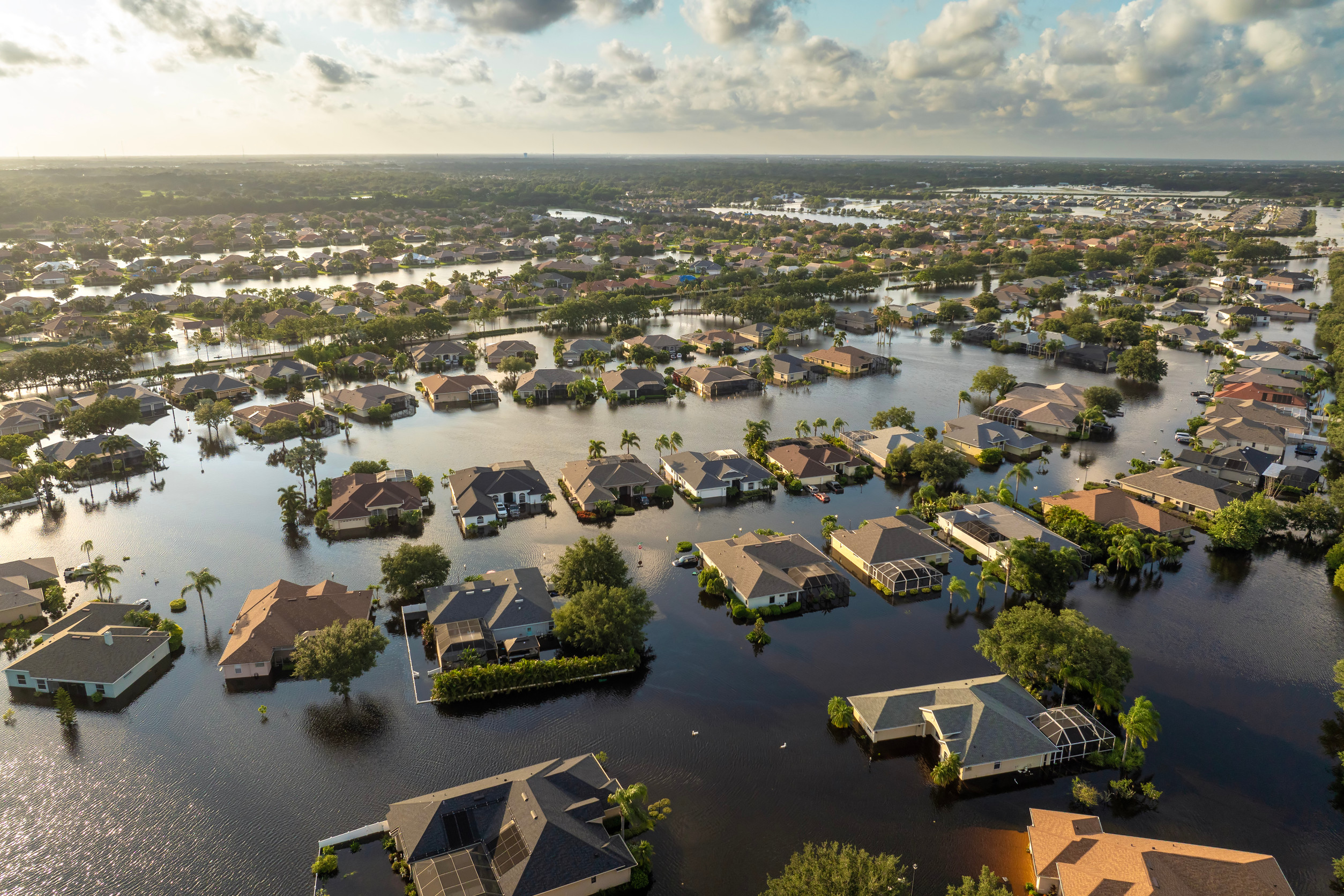
When it comes to extreme weather, preparation is everything. With climate change driving more frequent and intense storms, especially heavy rainfall, knowing how to protect yourself and your home is more important than ever.
“Disaster preparation and good planning can help protect lives and property,” experts emphasize. And that preparation should start long before any dark clouds roll in.
Take time to assess whether your home meets current building codes, and review your insurance policies to understand what is covered in case of flood damage. If you notice gaps in coverage or outdated systems at home, now is the moment to address them.
It’s also smart to sign up for real-time alerts from your city, county, or federal weather services. Staying informed through trusted news sources and updates from local officials can help you make informed decisions as conditions evolve.
Take simple steps to protect your home
There are easy, proactive ways to prepare your home for heavy rainfall. Start with maintenance: Make sure gutters, storm drains, and stormwater systems are clear of debris so they can channel rainwater effectively.
If you live in a flood-prone area, sandbags can offer a first line of defense. Just be sure they are properly filled and stacked to block rising water.
Moving cherished belongings—like keepsakes, furniture, and important documents—to higher levels of your home is another smart move. For added peace of mind, check that your sump pump is working and that its battery is fully charged.
And don’t forget about your vehicle. “Cars can be protected by getting them into a parking structure with upper levels,” experts note.
Common sense goes a long way, too. If you have a backup generator, make sure it isn’t stored in a basement where flooding could damage it.
Know when to evacuate—and when not to
One of the most important decisions during a storm is whether to stay or go. If officials issue an evacuation order, follow it. According to Jeannette Sutton, associate professor at the University at Albany, it’s essential to “err on the side of caution.” Make sure you have enough fuel, essential supplies, and documents packed in case you need to be away for a while.
However, timing matters. Sometimes, staying put is safer than trying to leave. “One major danger involves flooded roadways,” experts warn. Water may look shallow but can be surprisingly deep and fast-moving, easily sweeping vehicles away.
Stay safe during the storm
If you find yourself stuck at home when flooding begins, move to the highest level of your home. This can offer vital protection from rising water.
But remember: in cases where high winds or tornadoes are also in play, higher levels might not be the safest place to be. That’s why regularly checking the forecast is crucial—it helps you make the safest choice based on the specific weather threat.
Preparation is powerful. By planning ahead, staying informed, and knowing how to respond, you can better protect yourself, your loved ones, and your home when extreme rainfall and flooding strike.






