BY THE OPTIMIST DAILY EDITORIAL TEAM
New York City officially launched enforcement of its mandatory composting program, making compost separation a requirement for all residents as of April. The city’s goal: reduce landfill waste and curb greenhouse gas emissions by diverting organic matter into a separate compost stream.
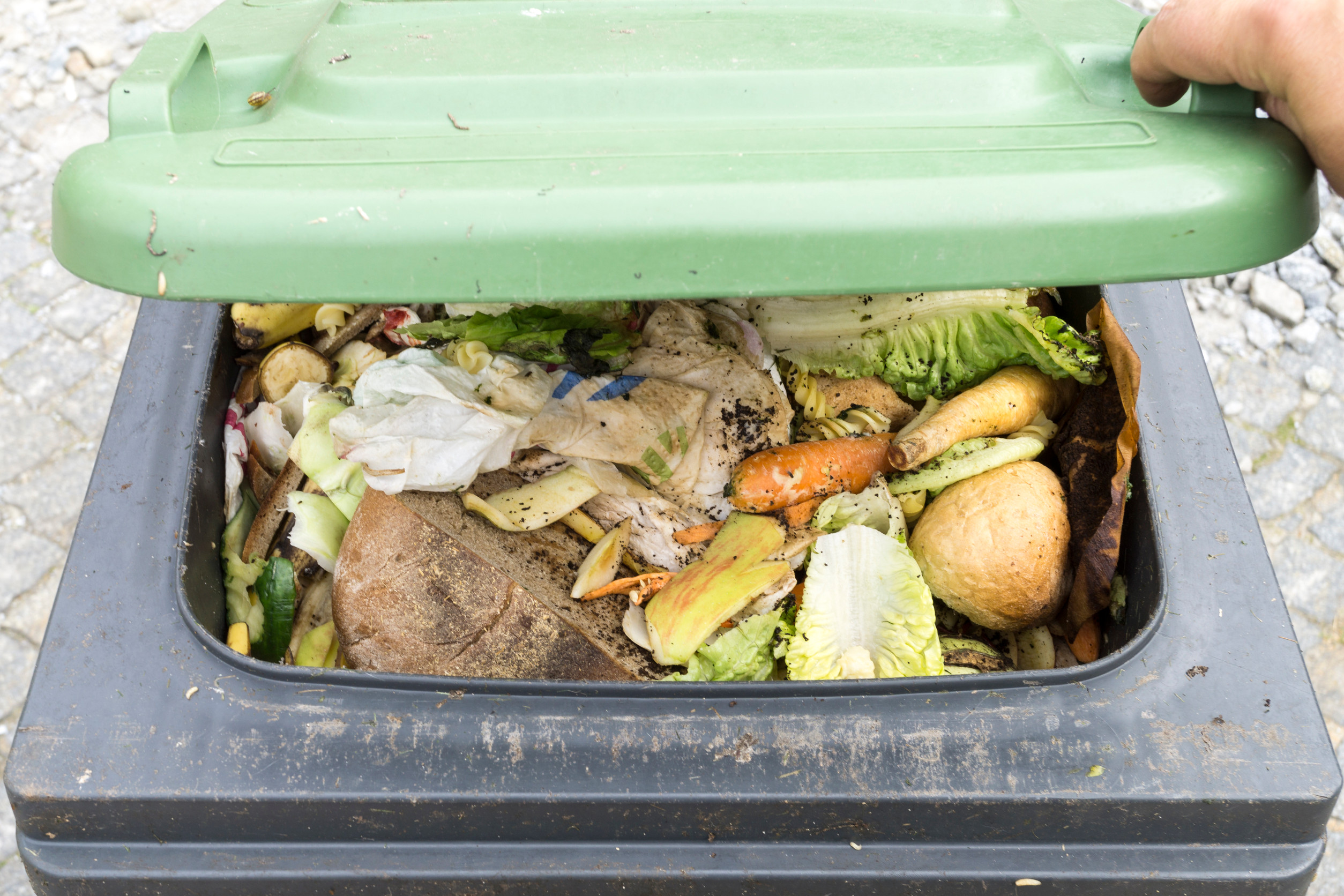
Curbside composting is now expected across the city and is collected on the same day as recycling. Residents must place food scraps, yard waste, and other compostable materials in brown bins provided by the city or in properly labeled and secure containers no larger than 55 gallons.
The New York City Department of Sanitation emphasized simplicity and accessibility. “New Yorkers have been clamoring for years for a curbside composting program that’s normal,” said department spokesperson Joshua Goodman. “No special rules, no off days, no starts and stops… but a regular, easy-to-use Sanitation service.”
Enforcement begins with fines, sparking mixed reactions
To ensure compliance, the city has started issuing fines to property owners who fail to separate organic waste. Owners of smaller buildings (up to eight units) can be fined between $25 and $100, while owners of larger buildings face fines of up to $300 for repeated violations.
According to city data, nearly 2,000 fines were issued during the first week of April. While initial enforcement efforts involved written warnings starting in October 2024, the city has now shifted to formal penalties.
Some New Yorkers have raised concerns about this approach. “My concern is that, instead of doing outreach, we’re focusing on fear-mongering,” said Lou Reyes, a composting advocate, in an interview with Grist.
Participation is rising, but critics urge more transparency
Despite the debate, early results suggest the new rules are working. Compost collection in early April rose to 2.5 million pounds, up from 737,000 pounds during the same time last year.
Still, advocates say outreach and education are just as important as enforcement. In cities like San Francisco, where composting has long been mandatory, public engagement has been key to success. “I would say our biggest tool that the department uses is education,” said Joseph Piasecki of the San Francisco Environment Department. “We will call, we’ll put boots on the ground… and be like, ‘How can we help you be successful?’”
Another sticking point in New York is what happens to the compost after it’s collected. Some of the city’s organic waste is turned into biogas, which critics argue can create emissions and leave behind waste that ends up in landfills. A portion is sent to the Staten Island Compost Facility, while smaller amounts are processed at out-of-state composting centers.
By contrast, cities like Los Angeles and San Francisco use compost to fertilize farmland, reducing landfill use and supporting soil health.
A step forward, but challenges remain
New York City’s composting enforcement marks a major step in scaling up its sustainability efforts and addressing the city’s low composting rate, which has hovered around five percent. However, the road ahead may not be smooth.
A bill has already been introduced in the City Council to roll back the composting mandate, according to PIX11. Supporters of composting are urging city leaders to double down on community education and expand transparent, sustainable end-uses for organic waste.
While the rollout is still in its early stages, one thing is clear: New York is aiming high, and the next phase of the program will determine whether the city can build a composting culture that sticks.