


BY THE OPTIMIST DAILY EDITORIAL TEAM
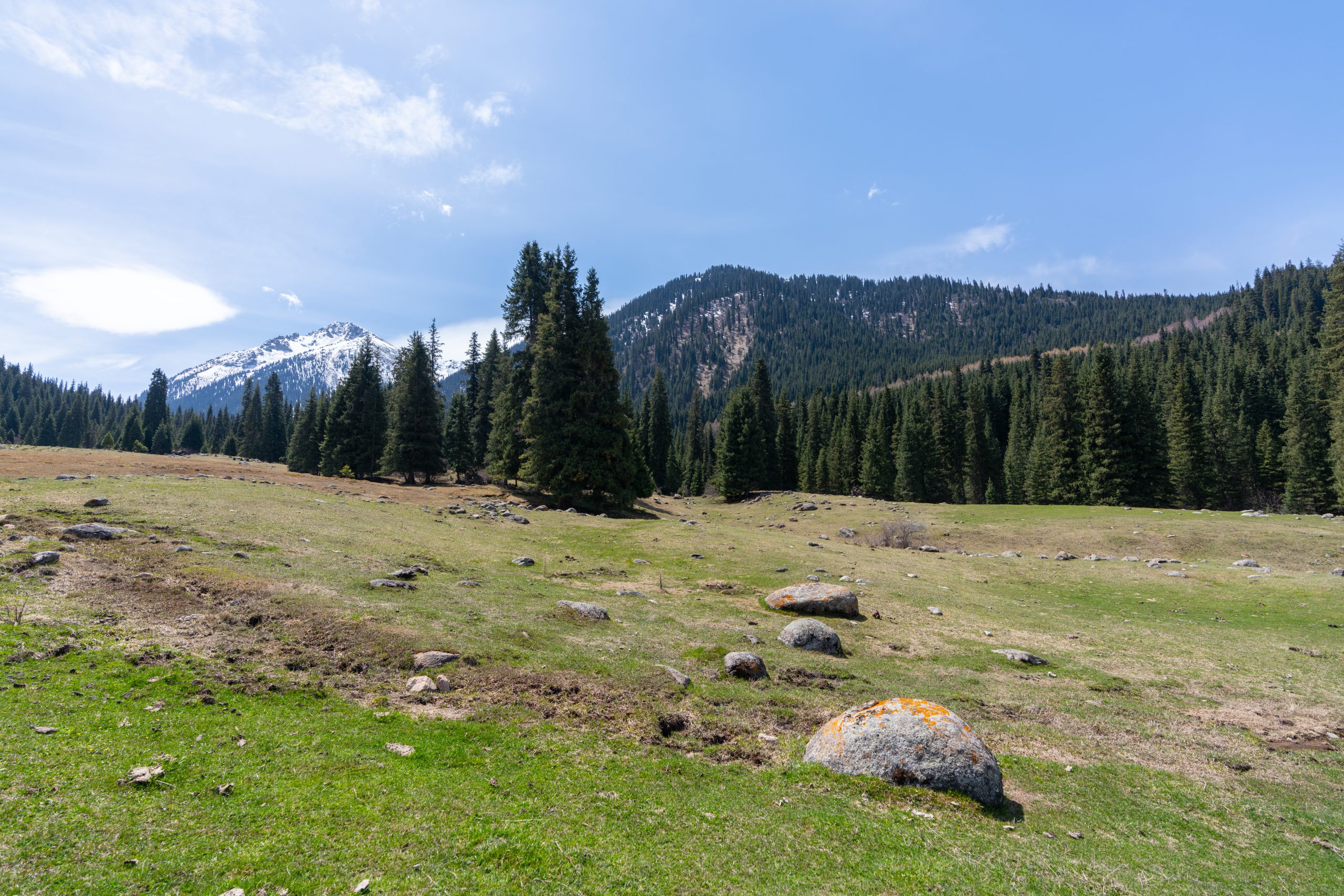
In a bold and optimistic move for biodiversity, the Kyrgyz Republic has established a sweeping 800,000-hectare ecological corridor that connects Khan-Tengri National Park and the Naryn Nature Reserve. This new corridor expands the nation’s protected landscape to over 1.2 million hectares, supporting some of Central Asia’s most iconic species and landscapes.
Guided by advanced ecological modeling and backed by the United Nations Environment Programme (UNEP), the corridor is designed to ensure habitat connectivity and climate resilience for mountain wildlife. This includes the elusive snow leopard, listed as Vulnerable by the IUCN, and its prey species like Asiatic ibex and argali sheep.
Sustainable conservation in action
Unlike strict nature reserves, the corridor allows for low-impact land use such as seasonal grazing, ecotourism, and reforestation efforts. These activities are carefully regulated to avoid disrupting wildlife migration patterns or damaging ecosystem integrity.
A key element of the corridor’s strategy involves working directly with local herding communities. Historically, the corridor region supported over 65,000 sheep in summer months. Under the new plan, improved grazing management and herd rotation will reduce this number by 15,000, helping mountain pastures recover and allowing wildlife more access to forage.
“By connecting landscapes, the Kyrgyz Republic protects iconic species like the snow leopard and secures the natural resources that local communities depend on,” said Arnold Kreilhuber, Director of UNEP’s Europe Office.
Built on science and community cooperation
The corridor design was developed from a collaborative ecological study led by Humboldt University and the National Academy of Sciences of the Kyrgyz Republic. Input from local scientists, authorities, and residents was integral, with roundtables held to ensure transparency and consensus.
Mirslav Amankulov, Deputy Minister of Natural Resources, noted that the plan guarantees fair access to alternative grazing lands. “There are no permanent settlements within the corridor boundaries, and all local herders have been consulted to align livelihoods with conservation,” he said.
Toward a greener, more connected future
Looking ahead, the Kyrgyz Republic intends to weave ecological corridors into national policies related to pasture management and hunting regulations. Ongoing monitoring, including biomass assessments, will support adaptive management of the corridor’s ecosystems.
The initiative could also extend beyond national borders. Officials are exploring transboundary ecological corridors to connect habitats regionally and amplify conservation gains across Central Asia.
“Ecological corridors help ecosystems adapt to climate change while maintaining vital services like clean water, fertile soil, and habitat connectivity,” said Johan Robinson of UNEP. “The Kyrgyz Republic is choosing a sustainable future for nature and people.”
This initiative is part of the UNEP-led Central Asian Mammals and Climate Adaptation (CAMCA) project, supported by Germany’s International Climate Initiative and implemented in collaboration with the Convention on Migratory Species, WWF USA, and Kyrgyz conservation NGOs.






