


BY THE OPTIMIST DAILY EDITORIAL TEAM
Centuries ago, vultures once soared over Europe in large numbers. But after years of hunting, habitat destruction, and poisoning, their presence faded from the skies. Now, thanks to a bold coalition of conservationists and EU-backed rewilding efforts, these misunderstood giants are once again circling the mountain ranges of Bulgaria.
Vultures: nature’s misunderstood clean-up crew
Often maligned as ominous or grotesque, vultures are actually vital to healthy ecosystems. Feeding exclusively on carcasses, they prevent the spread of bacteria and disease, effectively acting as nature’s sanitation team. Yet, throughout the 19th and 20th centuries, humans drove vultures to the brink of extinction across much of Europe.
That perception began to shift in the 1960s, in part thanks to French ornithologist Michel Terrasse, whose documentaries cast vultures in a new light. This marked the start of Europe’s vulture conservation movement, which gained momentum in the decades that followed.
A high-flying comeback in Bulgaria
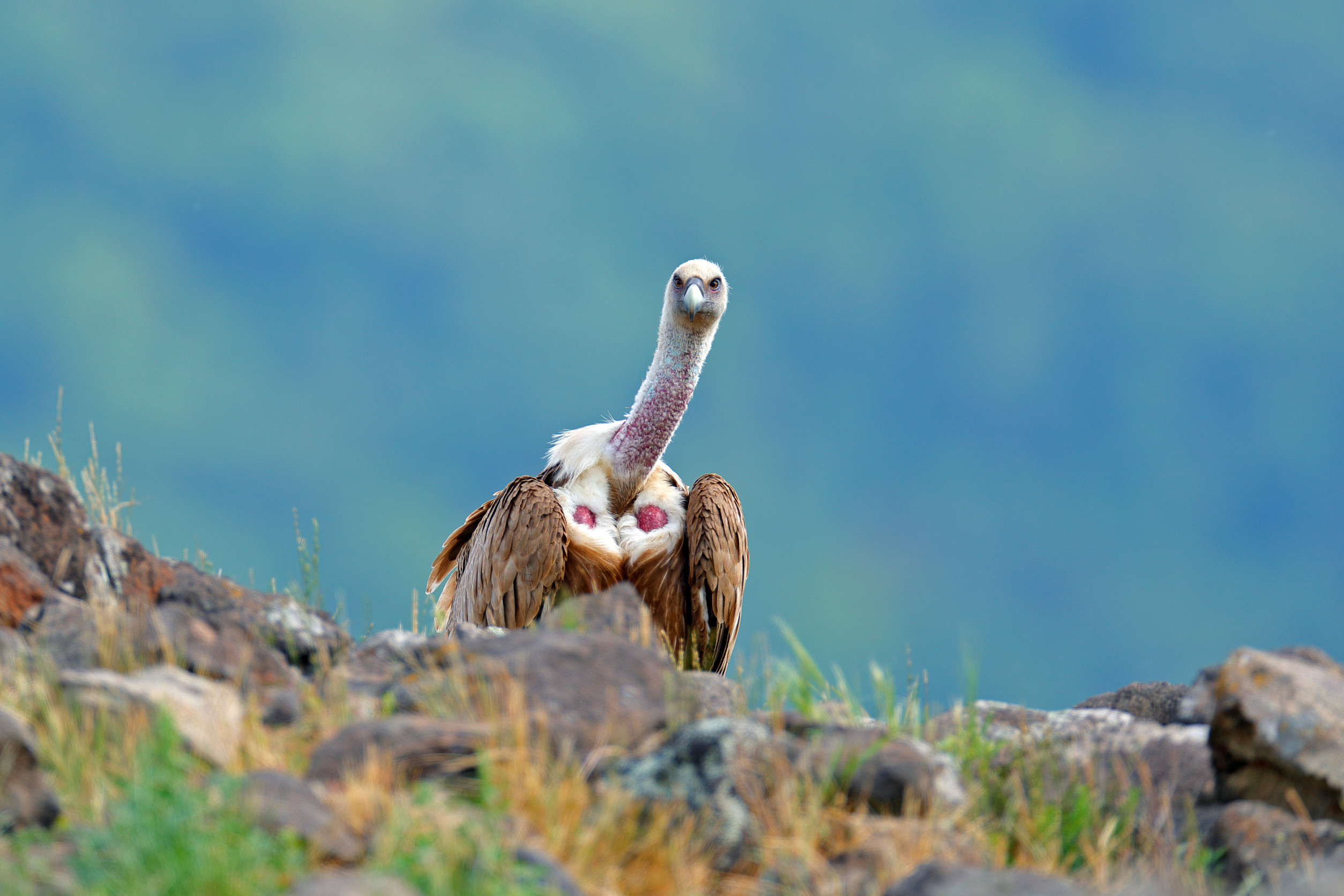
In the rugged terrain of Bulgaria’s Balkan Mountains, two key species are staging a comeback: the Griffon Vulture and the Cinereous Vulture. After being locally extinct for decades, both were reintroduced through coordinated LIFE projects starting in 2010 and 2018, respectively.
Hundreds of birds have now been released by Bulgarian conservation groups Fund for Wild Flora & Fauna (FWFF) and Green Balkans, with help from international partners like the Vulture Conservation Foundation (VCF) and the European Association of Zoos and Aquaria (EAZA).
Bulgaria’s skies just got more diverse. In a historic first, three Bearded Vultures, Europe’s rarest vulture species, have been reintroduced to the region, completing the quartet of native vulture species.
The Balkan Peninsula is more than a conservation milestone; it serves as a critical link between European, North African, and Turkish vulture populations, promoting vital gene flow across continents.
Europe’s rarest vulture takes flight again
Reintroducing vultures takes more than just releasing birds into the wild. It involves restoring habitats, monitoring behavior, and fostering coexistence with local communities. Conservationists are working hard to ensure the birds not only survive, but thrive.
Some birds are fitted with sensors that track their geolocation and body position. These smart tags allow teams to respond rapidly if a bird stops moving or behaves abnormally, which can indicate injury or poisoning.
The threats still looming
Despite their return, vultures remain highly vulnerable. Electrocution from power lines, shrinking habitats, and a lack of food pose ongoing dangers. But perhaps the gravest threat is illegal poisoning, a practice some farmers use to kill predators like wolves, inadvertently killing vultures that feed on the tainted carcasses.
The BalkanDetox LIFE project addresses this head-on. It supports poison detection, strengthens law enforcement, and runs public awareness campaigns to reduce these incidents and protect vulnerable bird populations.
Looking ahead: vigilance, education, and law enforcement
The recovery of vultures in Bulgaria is a remarkable conservation success story, but it’s still a fragile one. Laws like the EU Birds Directive, first adopted in 1979, remain essential. It protects all 500 bird species across the European Union and requires states to safeguard breeding habitats and restrict hunting.
As rewilding efforts expand, the fate of these majestic birds depends not just on funding and policy, but also on public support. The vultures may be back in flight, but ensuring they stay there requires all wings on deck.






