


THE OPTIMIST DAILY EDITORIAL TEAM
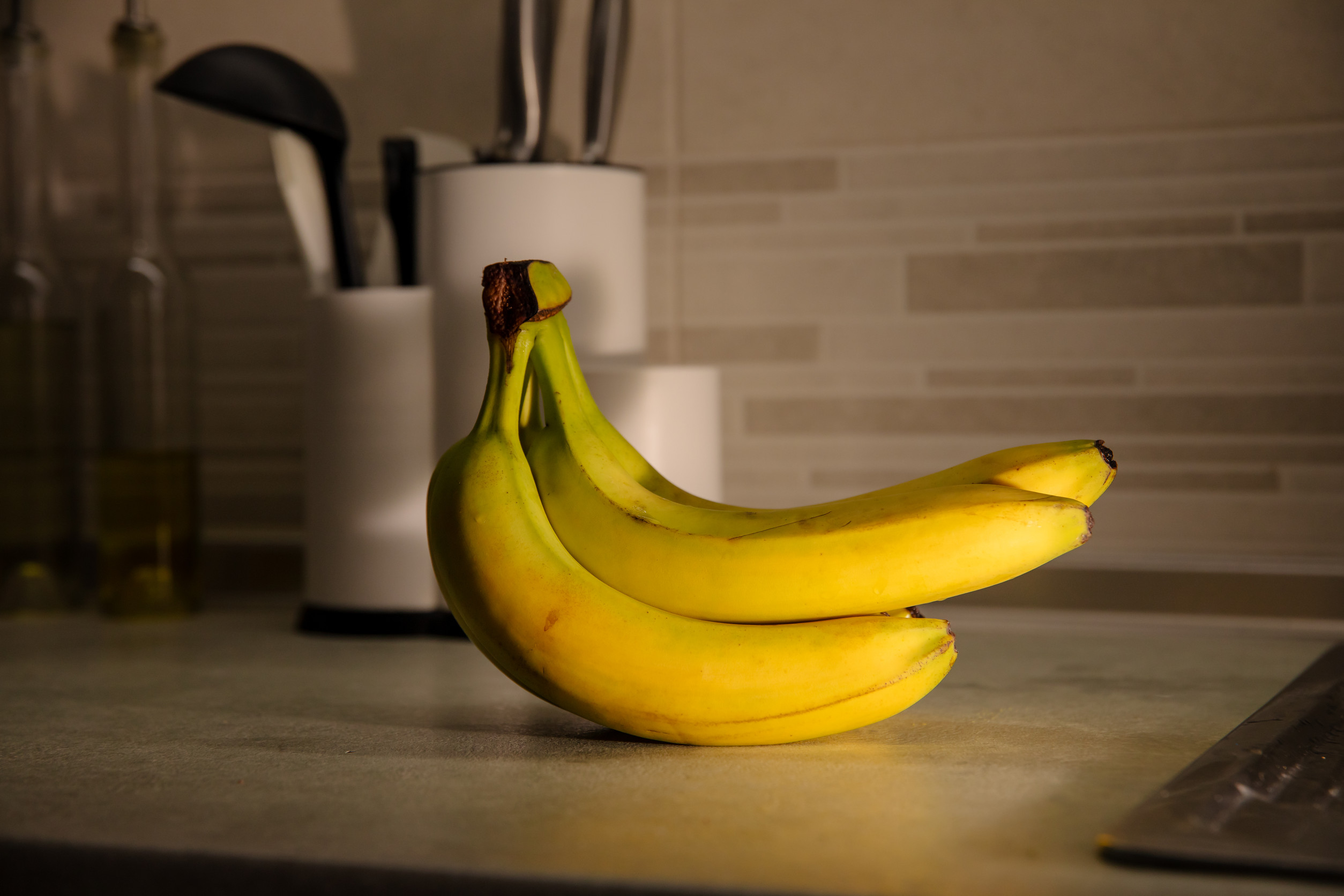
Bananas are a go-to snack for good reason. They’re tasty, affordable, and full of nutrients, especially potassium. But their one big flaw? They ripen fast. Too fast. One minute they’re bright yellow and perfect, and the next they’re spotted, mushy, and attracting fruit flies.
We’ve all been there: You buy a bunch with the best of intentions, only to find them going brown before you can enjoy them. Fortunately, there are a few easy ways to slow the ripening process and give your bananas a longer, fresher life. With insights from food safety and nutrition experts, here’s how to keep your bananas in snack-worthy shape for days longer.
Store them cool and out of the spotlight
Heat and humidity speed up spoilage, so the first step in banana preservation is keeping them in a cool, dry spot. “You wouldn’t want to put the bananas on a counter where the sun’s shining through the window and hitting them,” says Martin Bucknavage, MS, a senior food safety extension associate at Pennsylvania State University. “That’s not going to be helpful.”
The ideal storage temperature? Around 54 degrees Fahrenheit. While that might be cooler than your typical kitchen, even finding a slightly chillier spot like a pantry, cabinet, or shaded countertop can make a noticeable difference. “I store mine on my kitchen table where it’s away from the light,” says Cindy Brison, MS, RDN, an extension educator at the University of Nebraska-Lincoln.
Another trick? Use your fridge, but only at the right time. Once bananas reach peak ripeness, placing them in the fridge can extend their life by another day or two. While the peel will darken, the fruit inside remains just fine. “Don’t be afraid of that,” Brison reassures. “It’s natural.” Just don’t chill them too early: Refrigerating bananas before they’re ripe disrupts the ripening process and can give them an odd flavor and unpleasant texture.
Wrap their stems and keep them solo
It may sound strange, but wrapping the banana stems can make a real difference. Why? Bananas release ethylene gas, a natural plant hormone that triggers ripening, primarily through their stems. “Most ethylene is released from the banana through the stem,” Bucknavage explains. Wrapping that area in foil or plastic wrap helps trap the gas and slows the rest of the banana from ripening too quickly.
This small tweak can buy you an extra day or two. Just cover the stems and secure with a rubber band. And for even more freshness insurance, keep your bananas separate from other fruits, especially those that emit a lot of ethylene. That list includes apples, avocados, tomatoes, pears, kiwis, and peaches. So yes, those charming mixed fruit bowls may not be the best idea for banana longevity.
Hang them up to avoid bruises and gas buildup
Another key to fresh bananas? Keep them off the counter. Letting bananas rest on hard surfaces increases the risk of bruising, which speeds up ripening. Instead, hang them from a hook to prevent pressure points and reduce the chance of those dreaded dark spots.
“When they’re suspended, they’re not getting bounced around that much, so you’re not getting those big brown spots on them,” Bucknavage says. Brison adds that hanging helps bananas ripen more evenly and keeps them from getting squished under other produce. Ever noticed how a banana buried at the bottom of a fruit bowl has a green top and brown bottom? That’s pressure at work.
Hanging also improves air circulation and prevents the buildup of ethylene gas. Tying bananas in a plastic bag or storing them in a covered container traps ethylene and accelerates ripening. “You don’t want that because, again, it’s going to cause deterioration very quickly,” says Brison. She even goes a step further and keeps her bananas under a ceiling fan to help disperse the gas.
Together, wrapping the stems and hanging your bananas in the open air is a powerful combo. As Bucknavage puts it, it’s a “good way to really maximize how long you could hold those.”
With just a few small adjustments to how you store and handle your bananas, you can extend their shelf life and save yourself from food waste and disappointment. No more sad, squishy bananas staring at you from the fruit bowl. Just fresher fruit, longer.
Bonus tip from an optimist:
One of our readers, Rhoda, wrote in with her own tried-and-true banana-saving method, and it’s too good not to share.
“Buy bananas when it’s yellow with a dash of green,” she says, “so it isn’t all the way ripe.” Then, once home, she stores them in the fridge with the stems pointed downward and the bananas standing upright, not lying on their sides. This reduces bruising and keeps pressure off the fruit itself.
While the peels may turn black over time, Rhoda swears by the results: “When you take it out ready to eat, cut the stem part with a knife for a perfect banana, and the banana will be so firm, smooth, a ripe perfect yellow every time.” She’s used this technique since her teen years and says her bananas can last up to a month and a half.
We love when readers pass along clever, personal tips like this. Thanks, Rhoda, for showing us the power of optimism (and gravity) when it comes to banana storage.
Updated August 15 to include a bonus tip from an Optimist.






