BY THE OPTIMIST DAILY EDITORIAL TEAM
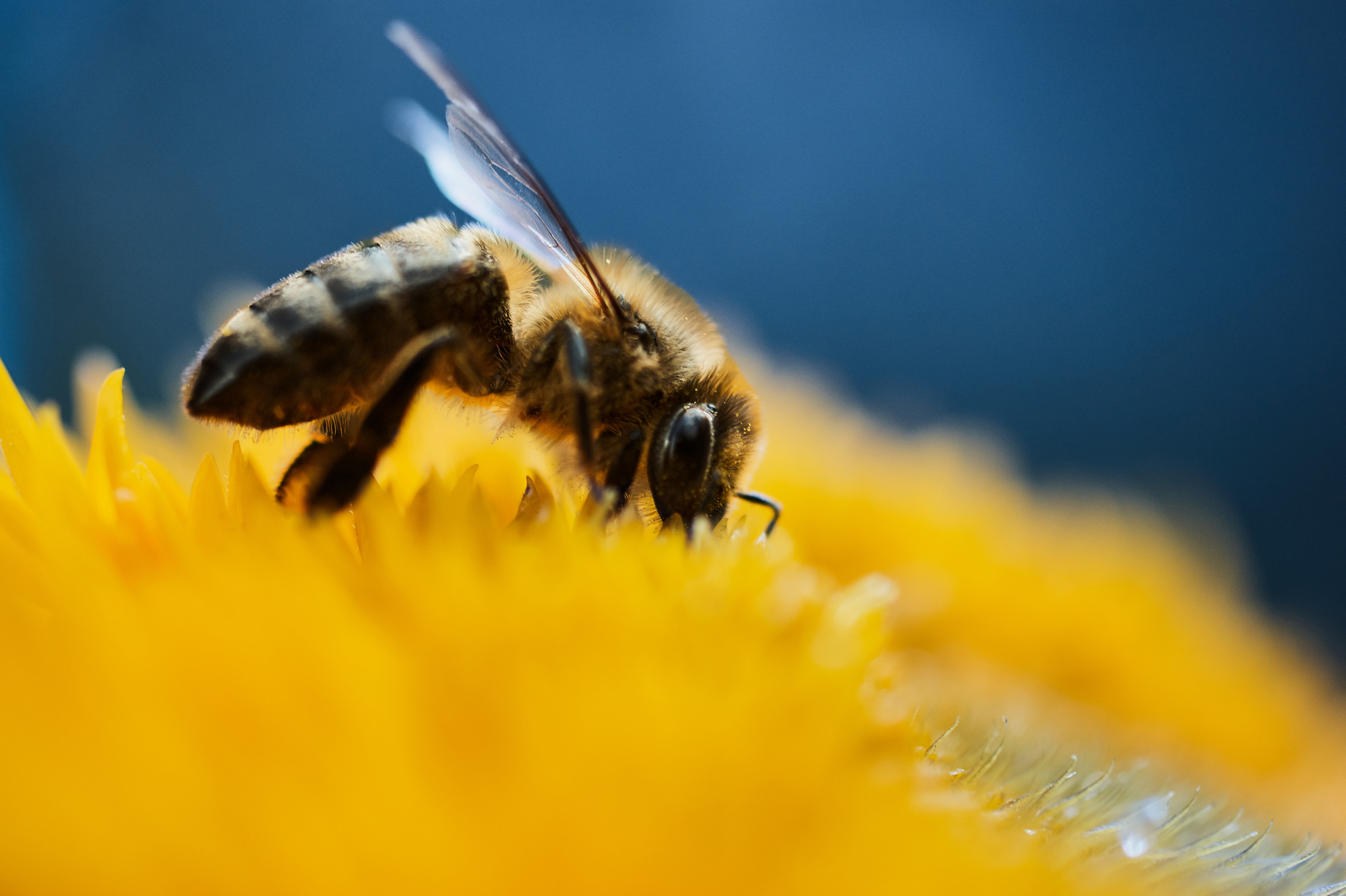
Few things match the joy of watching a butterfly flutter across your yard or a bee hover from blossom to blossom. These small visitors aren’t just delightful to see; they play a critical role in our ecosystems. But as summer winds down, the buffet of blooms many pollinators rely on begins to dwindle. That’s where late-summer flowers come in.
Planting native, late-blooming flowers not only fills your garden with vibrant color well into fall, but also provides much-needed nectar and habitat for bees, butterflies, hummingbirds, and more during a time when food sources can be scarce. Here are eight beautiful, pollinator-friendly plants that will keep your garden buzzing.
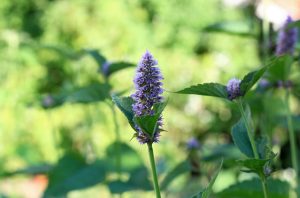
Anise hyssop
With tall purple flower spikes and a soft licorice scent, anise hyssop is a favorite among native bees. This member of the mint family is native to the northeastern U.S. but adapts well to similar climates elsewhere. Plant it in moist, well-drained soil with at least six hours of sun a day. It’s as beautiful as it is beneficial.
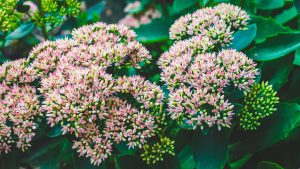
Joe Pye weed
This striking native perennial offers dense clusters of dark pink to purple flowers with a sweet, vanilla-like fragrance. A late-summer bloomer, Joe Pye weed is a magnet for pollinators. It prefers full sun and moist, well-drained soil. While many native plants don’t need much fertilizer, this one benefits from a little nutrient boost in poor soils to ensure a generous bloom.
Cardinal flower
Known for its vivid red flower spikes, cardinal flower offers a stunning visual and a steady nectar source for pollinators through midsummer and into early fall. It thrives in moist, neutral to acidic soil and does well in full to partial sun. It self-seeds readily, so plan your planting site accordingly. A note of caution: cardinal flower is toxic to both humans and pets.
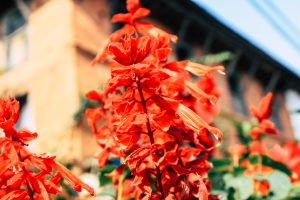
Helenium
Also called sneezeweed, helenium brings vibrant shades of yellow, red, and orange to the late-summer garden. Pollinators love its cheerful blooms, which benefit from deadheading to encourage continuous flowering. Plant in full sun and moist, well-drained soil, and divide the plant every few years to keep it looking its best.
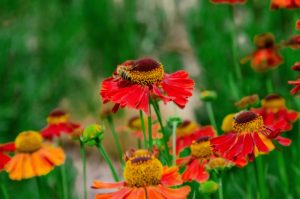
Garden phlox
Reliable and colorful, garden phlox comes in pink, purple, and white hues. It attracts a wide range of pollinators including bees, butterflies, and hummingbirds. This low-maintenance native does best in full sun, with well-drained soil and consistent watering, especially during hot or dry spells.
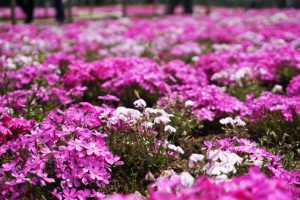
Goldenrod
Often mistaken for ragweed, goldenrod is actually a pollinator powerhouse. Its golden plumes bloom in late summer and fall, providing nectar when many other plants are fading. It thrives in sunny areas with well-drained, even poor soil. Avoid overfertilizing to prevent legginess, and enjoy visits from bees and monarch butterflies.
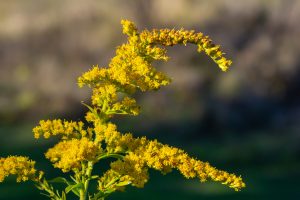
Blazing star
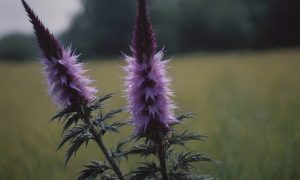
Also known as liatris, blazing star features vertical spikes of purple or white blooms that last from summer into fall. Its flowers are beloved by bees, butterflies, and hummingbirds alike. Plant it in full sun and well-drained soil, and water carefully to avoid wetting the foliage, which can invite fungal problems.
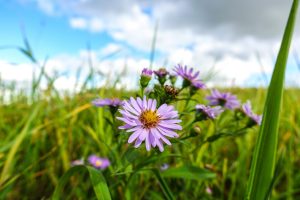
New England aster
Late-season blooms and rich purple, pink, or white flowers make New England aster a standout in the fall garden. It pairs beautifully with goldenrod and supports a range of pollinators, including bees, flies, beetles, and butterflies. Give it full sun and moist, well-drained soil, and enjoy its showy flowers even in the first year of planting.
By adding just a few of these late-season bloomers to your garden, you can provide vital support to pollinators during a critical time. Plus, you’ll enjoy a longer season of color and life in your yard. It’s a win for you and the bees.