


BY THE OPTIMIST DAILY EDITORIAL TEAM
As your grass prepares for its winter nap, the choices you make in fall can shape how lush (or lackluster) your lawn looks in spring. According to Dr. Cleopatra Pfunde, Ph.D., Regional Technical Manager at TruGreen Chicago, fall is “a critical period”. If you get it right, then you’re setting your lawn up for success. Get it wrong, and you could be in for patchy turf and preventable problems.
Let’s dig into the most common fall lawn mistakes and what to do instead.
1. Overfertilizing
It’s tempting to give your lawn a boost before winter, but overdoing it can do more harm than good. “Overfertilizing encourages late-season growth and poor root development, making grass vulnerable to winter damage,” says Pfunde.
It can also lead to grass burn, where your turf turns yellow or brown. On top of that, excess nutrients can leach into groundwater. Instead, opt for a properly timed fall fertilization: just once, a few weeks before your area’s first frost.
2. Ignoring fallen leaves
Leaving a thick blanket of leaves on your lawn might look picturesque, but it’s suffocating your grass. According to Pfunde, “Leaves block sunlight and trap moisture, leading to mold and disease.”
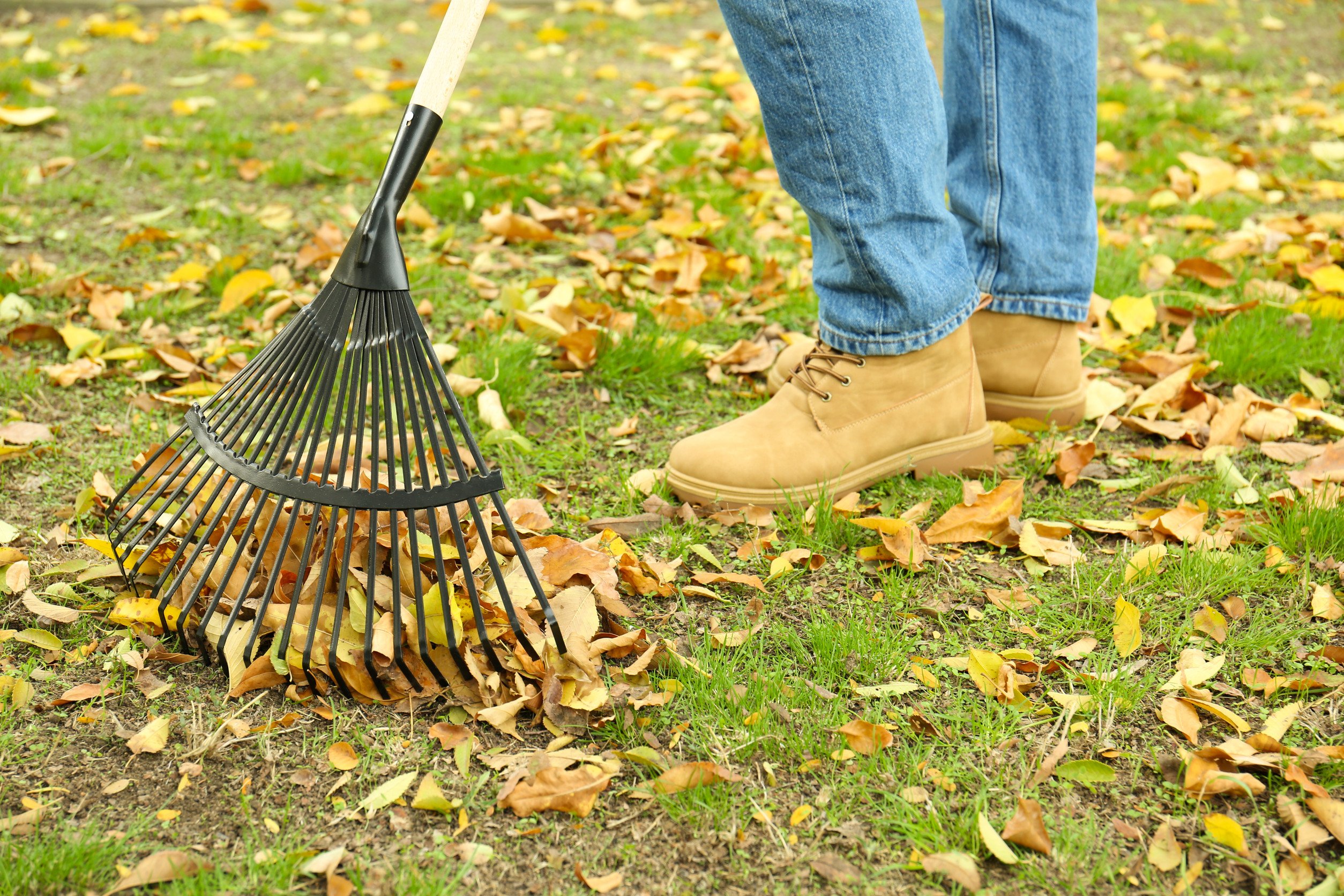
Your best bet is to clear leaves regularly with a rake, blower, or vacuum, or mulch them when they’re dry. Shredded leaves can act as a natural fertilizer, but only if they’re not diseased or wet.
3. Mulching soggy leaves
Wet leaves are mulch’s worst nightmare. They tend to clump together, mat down, and suffocate your lawn.
Only mulch when leaves are dry, Pfunde advises. And skip any leaves that are moldy or show signs of disease. Use a mower with a mulching adapter for best results.
4. Mowing too high—or too low
There’s a sweet spot when it comes to fall mowing. “Cutting the grass too short exposes it to cold damage, while letting it grow too long reduces airflow and encourages snow mold,” says Pfunde.
Her tip is to start with a higher cut, then gradually lower your blade height, but never scalp the lawn.
5. Skipping fall watering
Fall may feel damp enough, but your lawn still needs hydration to prep for winter. A dry lawn is more prone to winter desiccation and damage.
Aim to give your lawn about one inch of water per week until the ground freezes. This keeps roots strong and ready for dormancy.
When to do what: a season-by-season lawn care cheat sheet
Fertilizing:
Best done in spring and fall. Use slow-release options in summer for cool-season grasses.
Leaf removal:
Fall and early spring are key times to rake and allow sunlight in.
Avoid wet mulching:
Wet leaves should never be mulched, any time of year.
Mowing:
In summer, mow high to retain moisture. In the fall, gradually lower your cut.
Watering:
Resume watering when soil temps hit 40 to 60 degrees (usually April or May).
5 smart fall lawn care moves to make instead
Avoiding bad habits is a great start, but proactive care can give your lawn an extra edge.
Aerate the soil:
Aeration in early fall loosens compacted soil and improves nutrient absorption.
Dethatch:
Use a dethatching rake or power rake to remove dead grass and organic debris.
Overseed:
Introduce new grass seed to fill bare spots and improve disease resistance.
Fertilize wisely:
Pfunde recommends a well-timed fall fertilizer application to boost root growth and green-up come spring.
Balance your soil:
Test pH and apply lime or sulphur to create optimal conditions for root health.
Your fall lawn care efforts don’t have to be backbreaking. And they definitely shouldn’t be misguided. With a few smart strategies and well-timed tasks, you can set the stage for greener days ahead.






