BY THE OPTIMIST DAILY EDITORIAL TEAM
Tuberculosis, the world’s deadliest infectious disease, still claims more than 1.2 million lives every year. Yet in clinics like Boniaba Community Health Center in Mali, the process of diagnosing TB looks very different than it did just a few years ago. There may be no doctor present, but patients now receive answers within seconds thanks to a portable x-ray machine and an artificial intelligence model designed to spot signs of infection.
This shift is significant. TB often takes root in places that have the fewest medical professionals to diagnose it. The hard fact is that some countries have fewer than five radiologists total, and most are clustered in major cities. “There are countries in which there are less than five radiologists. It’s like a disaster,” explains Dr. Lucica Ditiu, executive director of the Stop TB Partnership. That shortage has long delayed care and left many cases undetected. Now, over 80 low- and middle-income countries are using AI to help bridge the gap. “It is revolutionary,” Ditiu says.
How AI-supported screenings work
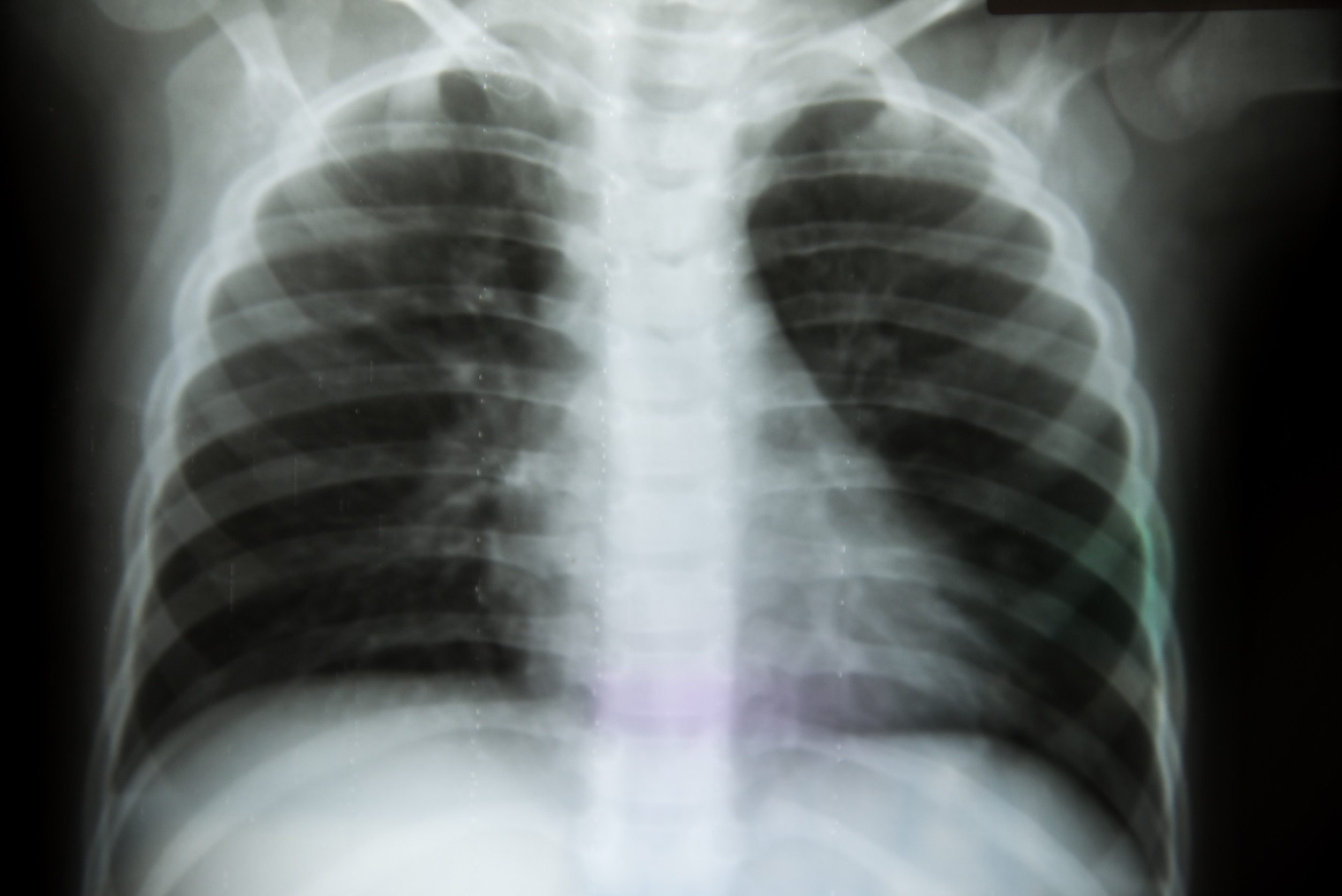
At Boniaba, health worker Diakité Lancine sets up his portable machine, snaps a chest x-ray, and sends the image straight to his computer. The AI model analyzes it and produces both a score and a visual map. Areas of concern glow red. “The blue there is nothing bad, but whenever you see the red — the red means this part is not good,” Lancine explains.
When a mother visited the clinic with a persistent cough, the AI indicated possible TB. Lancine immediately collected a sputum sample for confirmation and then asked her to bring her five children for screening. Within minutes, AI flagged signs of TB in three of them. They will all start treatment, likely preventing further spread at home.
For children especially, AI makes earlier detection easier. Producing sputum samples can be difficult, and many cases once went undiagnosed. Since integrating AI screening, Lancine’s team has cut the number of unnecessary sputum tests by about half.
Why TB is a natural fit for AI
TB shows up clearly on chest x-rays, which makes the condition well-suited to AI diagnostic tools. “You can see TB. TB is visual,” says MIT computer scientist Regina Barzilay, who developed an AI model for a hospital in Sri Lanka that couldn’t afford commercial options. She notes that building the system cost less than $50,000 and took only a few months.
Unlike screenings for many cancers, the equipment needed for TB x-rays is already common in lower-resource medical settings. And training to use it is minimal.
But the urgency is what truly drives adoption. According to the World Health Organization, TB cases have been rising, increasing from 10.1 million in 2020 to 10.8 million in 2023. In refugee camps, remote regions, and crowded urban centers, the need to detect TB quickly is enormous.
Some of the same AI tools are already beginning to detect other lung conditions, including pneumonia and early signs of lung cancer. Barzilay believes that many countries with limited medical infrastructure may leap ahead in adopting AI, similar to how many skipped landlines and moved straight to mobile phones. “AI is going to be adopted much faster in developing countries because they have serious unmet needs,” she says.
Important cautions and safeguards
Experts stress that AI is not a replacement for doctors. Plus, without systems for oversight, mistakes may go unnoticed. Radiologist Erwin John Carpio in the Philippines warns that models can “drift,” or lose accuracy over time: “They fail silently. They don’t tell you that they’re making a mistake.”
Some programs, including those supported by the Global Fund, address this by having external radiologists regularly review a sample of cases to ensure accuracy. But this requires a coordinated network of clinicians, data scientists, and engineers, which is not always easy to maintain.
Still, advocates emphasize that in many regions, the alternative is no screening at all. “There are very, very few radiologists,” says Peter Sands, executive director of the Global Fund. “It’s better than nothing.”
A promising future, if treatment follows diagnosis
With faster screening, many more people with TB are being identified. The question now, experts say, is whether health systems can ensure access to medication and follow-up care.
For families in places like Mali, early detection means something immediate and personal: children can recover, parents can keep working, and communities can slow transmission.
AI may not solve TB alone, but it is proving to be a major player in changing the story.