


BY THE OPTIMIST DAILY EDITORIAL TEAM
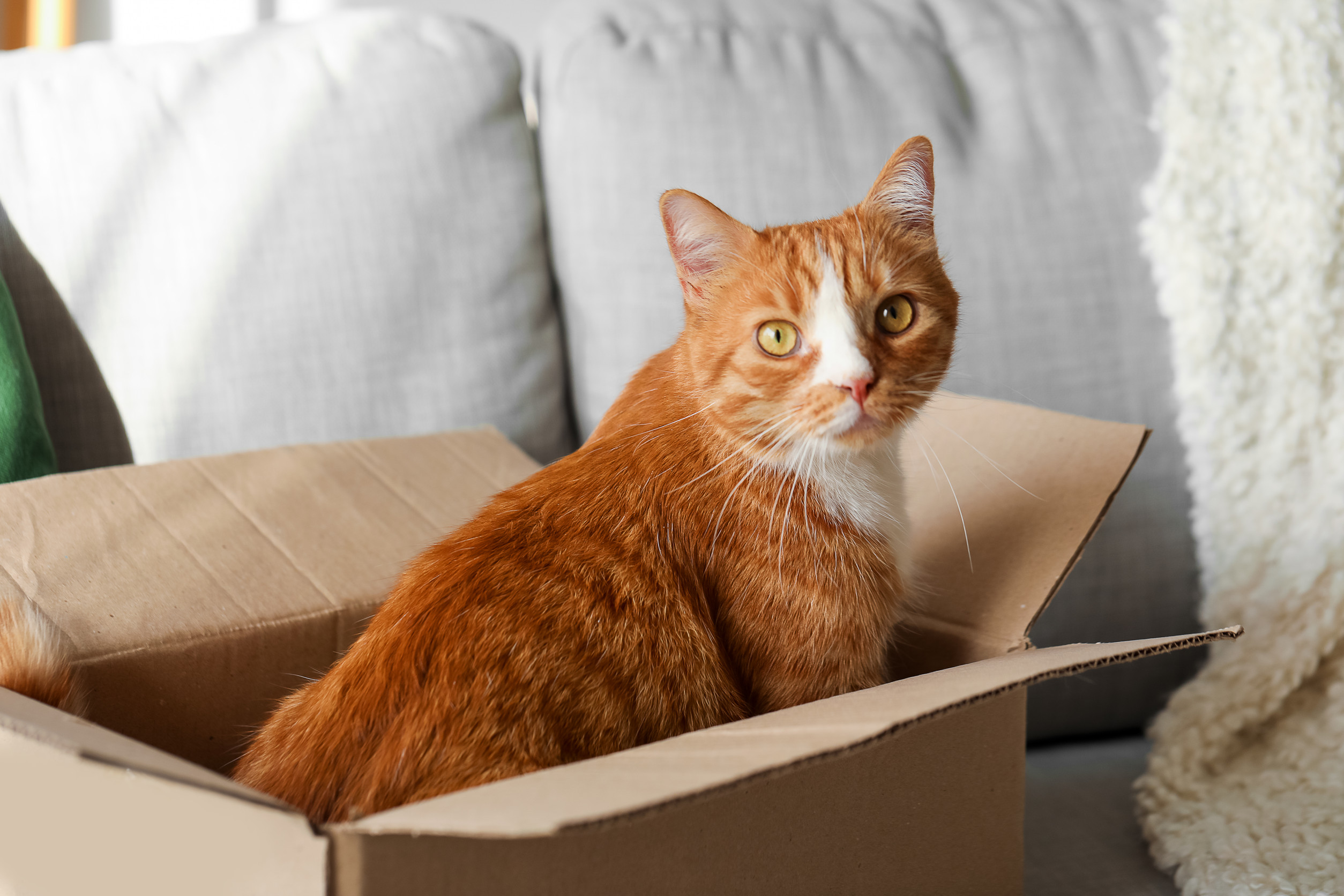
Every cat parent knows this familiar scene: you splurge on the perfect toy, only to watch your feline friend climb inside the packaging instead. There is something about a simple cardboard box that cats find almost magnetic. And according to a growing body of research, this behavior is not random but deeply rooted in feline evolution.
Several cat behavior experts help us uncover why boxes are such powerful, comforting treasures in a cat’s world. As it turns out, everything from hunting strategies to early kittenhood experiences plays a role.
Boxes tap into ancient hunting instincts
Whether your cat is a mellow sunbather or a self-appointed hall monitor, they are hardwired to take advantage of a good hiding spot. Feline behavior consultant Mikel Delgado says that boxes serve as ideal stand-ins for the natural nooks outdoor cats use when hunting.
Outside, cats occupy a unique place in the food chain. As Delgado explains, they are “both predator and prey,” searching for birds and insects while staying alert for hawks or foxes. Indoors, a box provides instinctual advantages: protection on the sides, mystery from above, and a perfect vantage point for a surprise pounce.
That seemingly silly leap from a box onto a plush toy is actually a perfectly tuned expression of feline strategy.
A sanctuary in cardboard form
Boxes aren’t just for hunting. They are emotional safety zones, too. Delgado notes that cats often gravitate toward “covered, secretive areas” when they feel overwhelmed or uncertain. These preferences begin almost from birth.
Mother cats instinctively seek secluded, quiet spots to deliver their kittens, says Danielle Gunn-Moore, a professor of feline medicine. That means a cat’s very first environment is a warm, protected enclosure. Giving adult cats access to similar spaces can make a meaningful difference, especially for anxious or recently rescued animals.
“In newly rescued cats, cortisol levels are reduced when they are given access to a box,” Gunn-Moore says.
Even a brand-new delivery box on your living room floor can spark curiosity. Indoor cats memorize the layout of their space, so any change, big or small, becomes something to look into. “For a curious cat, the box is something fun and novel to investigate,” says Delgado.
When box behavior becomes a clue
Boxes do a lot for cats: they support hiding, hunting, exploring, and plain old lounging. But Delgado says context matters. A relaxed cat snoozing inside a box is very different from one crouched at the back with wide eyes.
Understanding this difference is key to being a responsible pet parent. Free-roaming cats can flee to rooftops or tucked-away yards when frightened, but indoor cats have fewer escape routes. As Delgado explains, “we keep them in an environment where they don’t have a lot of control,” and that can heighten their sensitivity to stress.
Kittenhood shapes lifelong box habits
Between the ages of two and nine weeks, kittens form crucial impressions of the world. Positive encounters with new people, pets, and environments build resilience. Negative or sparse experiences, however, can make a cat more easily startled or environmentally sensitive as an adult.
That is where boxes and other comforting hideouts come in. For cats with tricky early histories, easy access to safe spaces helps them decompress when their internal “threat alarms,” as Delgado describes, go off unnecessarily.
Still, experts caution that constant hiding can signal trouble. “For a cat to be hiding all the time, it’s really not good,” says Gunn-Moore.
If your cat is retreating to boxes more than usual, Delgado recommends reaching out to your veterinarian or a feline behaviorist. They can help identify triggers and create a plan to support your cat’s sense of safety.
Your cat’s fascination with boxes is not just a silly quirk. It is evolution at work. Boxes give cats a sense of control, a spark of adventure, and a reliable refuge from stress. Offering them a few cozy hideouts around the home is a simple way to support their instinctive needs.
And if your next delivery arrives in a sturdy cardboard box? You already know who gets first dibs.






