BY THE OPTIMIST DAILY EDITORIAL TEAM
In a long-anticipated move, Canada has introduced tougher methane regulations for its oil and gas sector, an industry that accounts for about half of the country’s methane pollution. The goal is to cut methane emissions by 75 percent below 2014 levels by 2035, a move the government says will dramatically reduce the climate impact of one of its biggest industries.
The new rules, revealed this week, are part of Canada’s broader strategy to rein in its climate footprint without derailing energy production. While oil and gas remain major economic drivers, the government is betting that smarter, cleaner practices can bring emissions down without cutting output in a significant way.
According to the Canadian government, these rules are expected to eliminate the equivalent of 304 million tonnes of CO₂ emissions between 2025 and 2035, while reducing production by a mere 0.2 percent.
Why methane matters (a lot)
Methane may not stick around in the atmosphere as long as carbon dioxide, but it packs a far more dangerous punch in the short term. Over a 20-year period, methane is up to 80 times more potent than CO₂ when it comes to trapping heat.
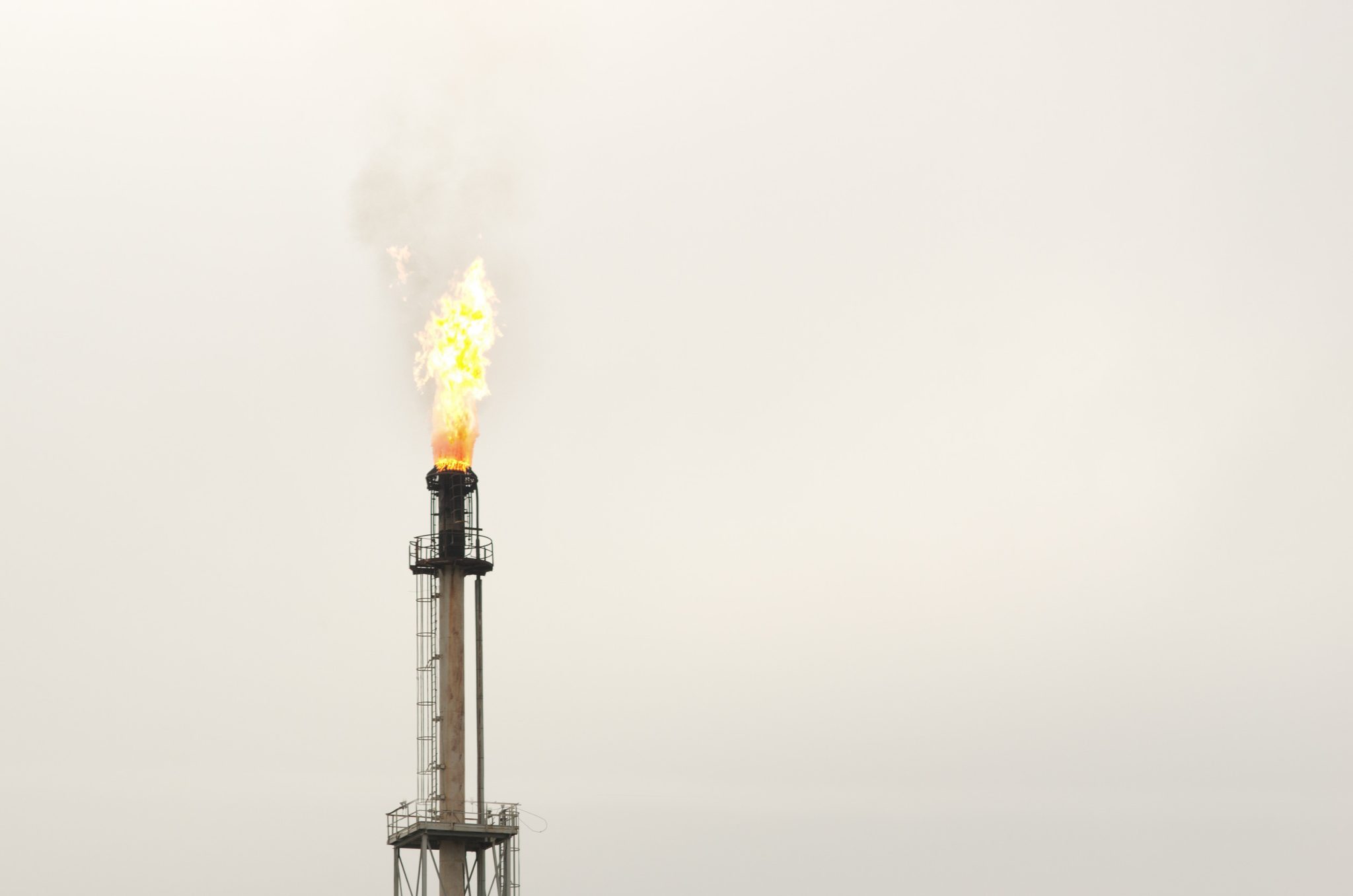
A significant portion of methane released in Canada comes from oil and gas production. During drilling, processing, and transport, methane escapes into the atmosphere through leaks, flaring, and direct venting. While previous regulations targeted some of these emissions, experts argued that much stronger action was needed.
What the new rules will change
Slated to take effect in 2028, the new regulations prohibit most methane venting, with some exceptions, and lay out a rigorous schedule for leak detection and repair. Companies will be required to inspect their equipment more frequently and either follow standard methods or propose custom approaches, as long as they meet strict methane intensity thresholds.
Unlike earlier proposals that faced pushback for being too rigid, the new rules offer flexibility in how companies meet their targets, encouraging innovation while keeping pressure on performance.
This regulatory shift fulfills a promise made by Prime Minister Mark Carney, and replaces a 2030 target proposed during Justin Trudeau’s tenure that was never implemented.
A course correction or a climate compromise?
While some environmental groups have accused Carney of prioritizing economic growth over environmental urgency, especially after recent rollbacks on other emissions policies, the new methane rules represent a bright spot in Canada’s climate progress.
Thanks to previous efforts that required oil and gas operators to conduct regular inspections and repairs, Canada is likely to have met its 2025 target of a 40 to 45 percent methane reduction from 2012 levels. These new rules build on that progress while setting a longer timeline for deeper cuts.
Still, there’s work to do. Despite these methane wins, Canada remains off track to meet its overall greenhouse gas reduction goal of 40 to 45 percent below 2005 levels by 2030, mainly due to continued growth in fossil fuel production.
Can climate and energy coexist?
This latest policy suggests that Canada is still walking a tightrope between climate ambition and energy investment. The oil and gas sector is unlikely to disappear overnight, but its emissions footprint can shrink, and that’s exactly what the new methane plan aims to prove.
By targeting one of the most powerful greenhouse gases with stricter monitoring, reduced venting, and tighter thresholds, Canada is betting that climate-smart fossil fuel production isn’t an oxymoron. Whether that gamble pays off in time for 2035 remains to be seen.
Did this story stand out to you? Forward to a friend or consider supporting our mission to bring more solutions to the world here.