


BY THE OPTIMIST DAILY EDITORIAL TEAM
Spring might feel like a distant dream, but a few mild winter days offer the perfect window to get a jumpstart on your garden. Whether your flowerbeds are still sleeping under snow or already flirting with thaw, there’s plenty you can do now to help your plants flourish once the season shifts.
These five early tasks will not only lighten your load come planting time, but they’ll also boost your chances of healthier plants and more vibrant blooms, all with a satisfying dose of fresh air.
1. Clear out garden clutter
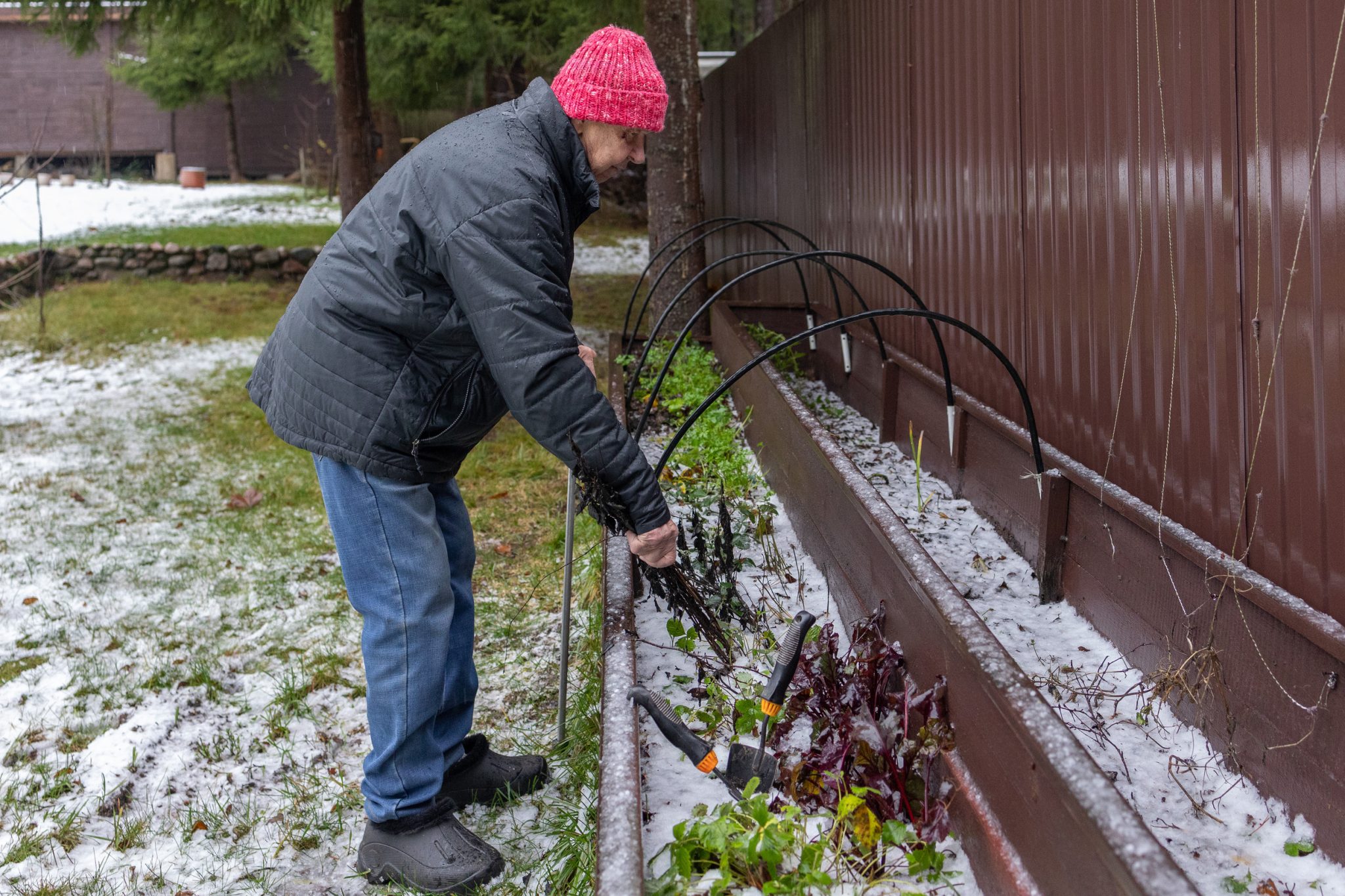
First things first: it’s time for a cleanup. Start by removing any sticks, leftover leaves, or plant debris that didn’t get cleared last fall. Cutting back last season’s dead foliage, especially on perennials like hostas and daylilies, lets sunlight and air reach the soil, giving new shoots a strong start.
This simple step also helps prevent mold and fungal diseases that love to hide in damp, matted leaves. Bonus: you’ll be disrupting any overwintering pests, like slugs or snail eggs, before they get too comfortable.
Not all debris needs to go, though. For instance, leaf mulch can still be useful as insulation. Just gently clear it from around early risers like crocuses, hellebores, and grape hyacinths. And don’t forget to pluck out any fast-growing winter weeds like chickweed and henbit before they dig in their roots.
2. Test and amend your soil
Think of your soil like a foundation; if it’s not quite right, your plants will struggle. Testing your soil now gives you time to make small adjustments that pay off big when spring arrives. You can use a home testing kit or send a sample to your local extension office for more detailed results.
Most flowering plants prefer soil that’s slightly acidic to neutral, but some favorites like azaleas, rhododendrons, and camellias need more acidic conditions. Others, including lavender and lilacs, thrive in more alkaline soil. Knowing your garden’s pH helps you plant smarter and fertilize with intention.
If your ground isn’t frozen, this is also a great time to feed early bloomers with a slow-release granular fertilizer. Or, take a natural approach: rake up old pine needles and use them to mulch around acid-loving plants for an easy nutrient boost.
3. Avoid compacting wet soil
Tempted to start digging the second the sun comes out? Hold up! Working wet soil can actually do more harm than good. It leads to compaction, which squeezes out air pockets and harms the underground life your plants depend on.
Here’s a quick test: scoop up a handful of soil from about 6 to 8 inches down. Give it a squeeze. If it crumbles easily after holding its shape, it’s good to go. If it stays in a wet lump, it’s best to wait a bit longer. Your plants will thank you later.
4. Prune perennials and shape shrubs
Late winter is prime time for pruning many perennials and shrubs, especially those that bloom later in the year. Now’s the moment to cut back last year’s stems on plants like asters, Russian sage, sedum, and goldenrod, leaving about one or two inches above ground. This clears the way for spring growth and encourages fuller, healthier blooms come fall.
It’s also a great time to tackle roses, summer-blooming clematis, and other flowering vines. Prune back any dead, damaged, or unruly branches while your shrubs are still dormant. For most ornamental shrubs, shaping them now helps promote healthy structure and more blooms without stressing the plant.
5. Check drainage and watch for thirsty roots
Good drainage is key to strong roots, especially coming out of a soggy winter. Take a walk around your garden after a rain and look for spots where water pools or drains too slowly. These low areas could benefit from added compost, trenching, or even installing a rain barrel to redirect excess water.
On the flip side, don’t assume winter moisture means your plants are hydrated. In dry regions or during windy weeks, your soil might be thirstier than it looks. Check moisture levels monthly, and water deeply if the soil feels dry several inches down, paying extra attention around new shrubs or spring bulbs that are beginning to wake up.
Don’t forget winter’s smallest troublemakers
Rodents like voles, moles, and chipmunks can be stealthy garden saboteurs, especially during winter when other food is scarce. These critters love tunneling through your beds, feasting on roots and disrupting soil structure.
Setting out traps, barriers, or repellents now can help prevent major root damage before your plants have a chance to grow. It’s not the most glamorous job, but it could save your favorite perennials from surprise sabotage.
Looking ahead to brighter blooms
Getting your hands a little dirty now can make a world of difference when spring rolls in. These early prep steps are about working with nature, not against it, so your garden wakes up strong, healthy, and ready to thrive.
And let’s be honest: stepping outside, breathing in the cool air, and doing a little tending-to feels pretty great this time of year. Whether you’re pruning, pulling weeds, or simply dreaming about daffodils, your spring self will be glad you started now.
Did this solution stand out? Share it with a friend or support our mission by becoming an Emissary.






