BY THE OPTIMIST DAILY EDITORIAL TEAM
Street trees reduce urban heat. That much is established. What’s less settled is whether they’re enough on their own, or whether the way a city plants matters as much as how much it plants.
New field research from Melbourne, Munich, and Hong Kong, led by Mohammad A. Rahman at the University of Melbourne, suggests the latter. In some conditions, layered planting outperforms trees alone considerably. In others, adding more vegetation makes streets worse.
The numbers
The Melbourne figure is the one that stands out. Street trees reduced mean radiant temperature by more than 18 degrees Celsius (32 degrees Fahrenheit) compared with open, unplanted streets. Mean radiant temperature is the heat coming at a person from surrounding surfaces, roads, walls, nearby buildings, rather than from the air itself. Air temperature barely shifted. Radiant heat dropped hard.
Munich showed the strongest case for layered planting specifically. Streets with trees, shrubs, and ground cover together cut afternoon heat stress by nearly eight degrees Celsius (14 degrees Fahrenheit) against open spaces, a bigger drop than trees alone produced.
Hong Kong also benefited from vegetation, mainly through dense canopy shade. But the results were messier.
When more planting makes things worse
Dense planting in Hong Kong raised humidity enough to cancel some of the cooling it created. Transpiration helps in dry climates. In a humid subtropical city, it tips the balance: the air gets stickier, sweat evaporates more slowly, and people end up less comfortable even if temperatures technically fall.
In narrow Munich streets, dense vegetation cuts airflow, trapping warm air and keeping vehicle pollution from dispersing.
“Climate, street width and airflow all shape whether vegetation improves comfort or creates unintended side effects,” the researchers write. Canopy coverage targets developed for one city’s conditions don’t reliably apply elsewhere.
What this changes about how cities should plant
The study’s argument is fairly direct: tree counts are the wrong metric. Coverage matters, but arrangement and plant type matter just as much.
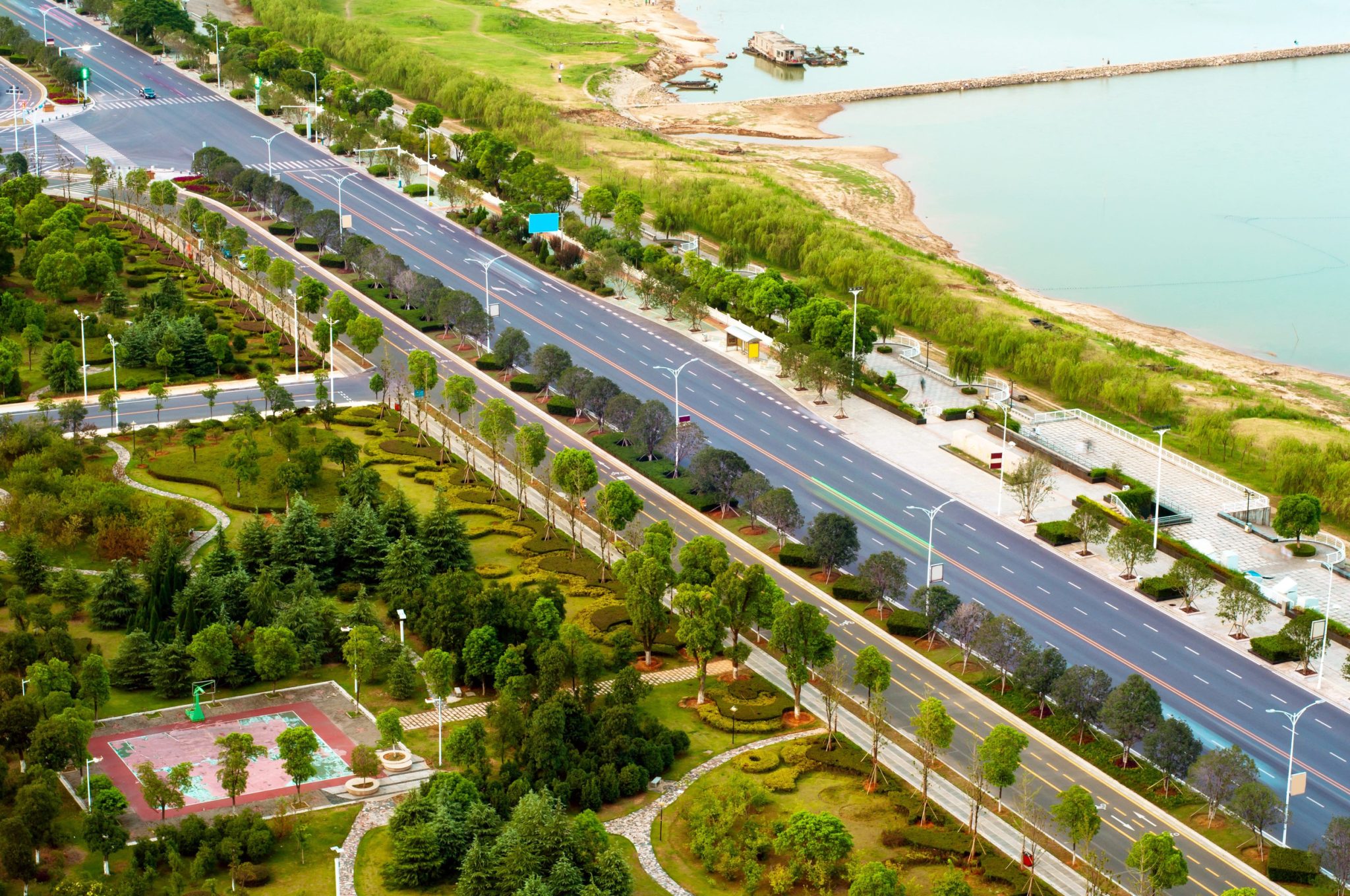
In parks and large open spaces, layered vegetation works best and supports biodiversity alongside cooling. In narrow urban streets, shade has to be weighed against airflow, or the planting creates new discomfort while addressing old heat.
Planting more is not the same as planting well. For cities putting significant money into heat adaptation, that distinction is worth building into the planning stage rather than discovering after the fact.
Source study: Nature in Cities, Nurturing Cities—The microclimate and human thermal comfort impacts of increased vegetation complexity in urban streets and greenspaces
Did this solution stand out? Share it with a friend or support our mission by becoming an Emissary.