Volcanoes, nuclear war, and solar geo-engineering. With a research portfolio that includes all three, Alan Robock is used to thinking about sudden, catastrophic change. A professor of environmental science at Rutgers University, Robock studies the movement of small particles and liquids through Earth’s atmosphere. In that role, he studies some very large and particle-producing events: sudden extrusion of many tons of sulfur from an erupting volcano, or the global convection of smoke and ash from the firestorms that would follow a nuclear war.

What happens if we start solar geo-engineering—and then suddenly stop?
More of Today's Solutions
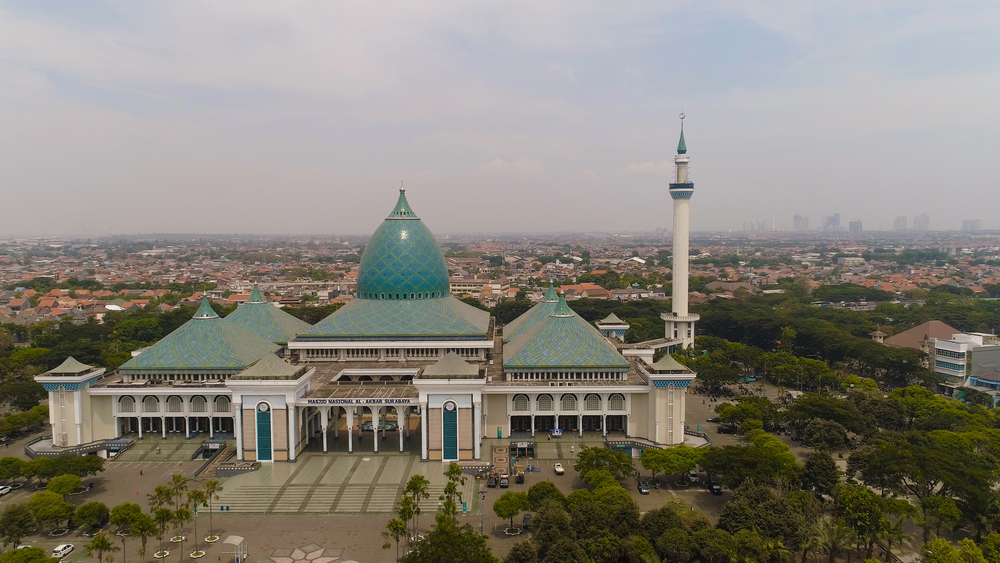
Indonesia’s mosque loudspeakers might save lives during natural disasters
BY THE OPTIMIST DAILY EDITORIAL TEAM The hardest part of any early warning system isn't the science. It's finding infrastructure that reaches everyone, holds ...
Read More6 smart things to do with an empty egg carton before you toss it in the recyc...
BY THE OPTIMIST DAILY EDITORIAL TEAM There's a half-second every time you finish a carton of eggs. The lid flops open, the last two ...
Read MoreCelebrate Earth Day by planting native plants… and then neglecting them
A lot of the time, human intervention is less effective than letting nature take its own course. So, this year, why not honor Mother ...
Read MoreNative Nations without reliable internet take broadband networks into their o...
A major chunk of the Hopi Reservation's dry mesas in northeast Arizona is underserved by internet service. Hopi Telecommunications, which provides internet and telephone ...
Read More