
Today’s Solutions: August 06, 2026

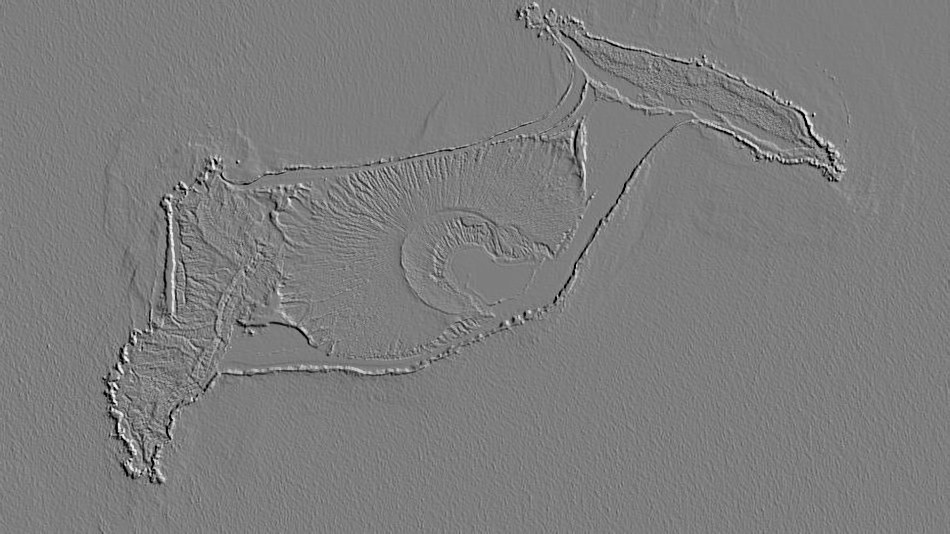
Four years ago a volcanic eruption gave birth to one of the world’s youngest islands. But what was thought to be just another short-lived island that submarine volcanic eruptions tend to uplift now has its own flora and fauna. Dazzling pink flowering plants, sooty tern birds, and even barn owls have settled on the island that lies in the kingdom of Tonga, an archipelago in Polynesia that will take your breath away.

The young island has attracted the attention of NASA scientists who were baffled by the discovery of a mysterious light-colored, sticky clay mud on the volcanic mass. Such newly formed and rapidly evolving islands could potentially give researchers cues about how volcanic landscapes interacted with water on ancient Mars, thus helping them learn more about our neighboring red planet.


Solutions News Source Print this article
More of Today's Solutions

The robots kids build to preserve Native American languages

BY THE OPTIMIST DAILY EDITORIAL TEAM The U.S. Indian boarding school system spent decades trying to remove Native American languages from Native children. Kids ...

Read More

How to build perspective as a daily practice for resilience

BY THE OPTIMIST DAILY EDITORIAL TEAM Picture yourself running late to a dreaded appointment. Your shoulders climb toward your ears, your jaw tightens, and ...

Read More

Switzerland built a huge water battery to store surplus energy

Switzerland is famous for hosting a number of scientific and engineering marvels, such as the Large Hadron Collider. Now, engineers in Switzerland have achieved ...

Read More

Are holiday tunes good for your health? Here’s what science says

BY THE OPTIMIST DAILY EDITORIAL TEAM Love it or hate it, Christmas music is an inescapable part of the holiday season. For some, it’s ...

Read More




