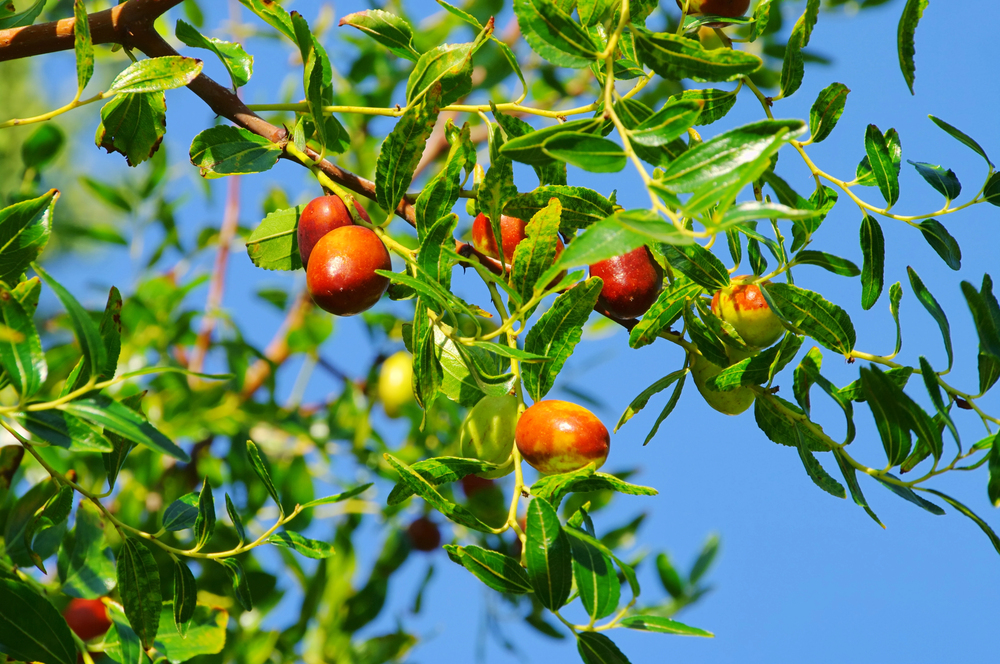
The fruits and vegetables you find in a modern supermarket have been chosen and modified from hundreds of varieties that exist in the wild all around the globe. In a world where the grocery store has one specially cultivated type of banana, a group of scientists is diving into the deepest corners of our world to find and protect their wild relatives.
The Crop Trust is a group of more than 100 scientists in over 25 countries who find thousands of samples of wild plants to catalog for the sake of preserving diversity. The team has collected 4,600 seed samples of 371 wild relatives of key domesticated crops which it uses to improve disease resistance and increase yields in agricultural production.
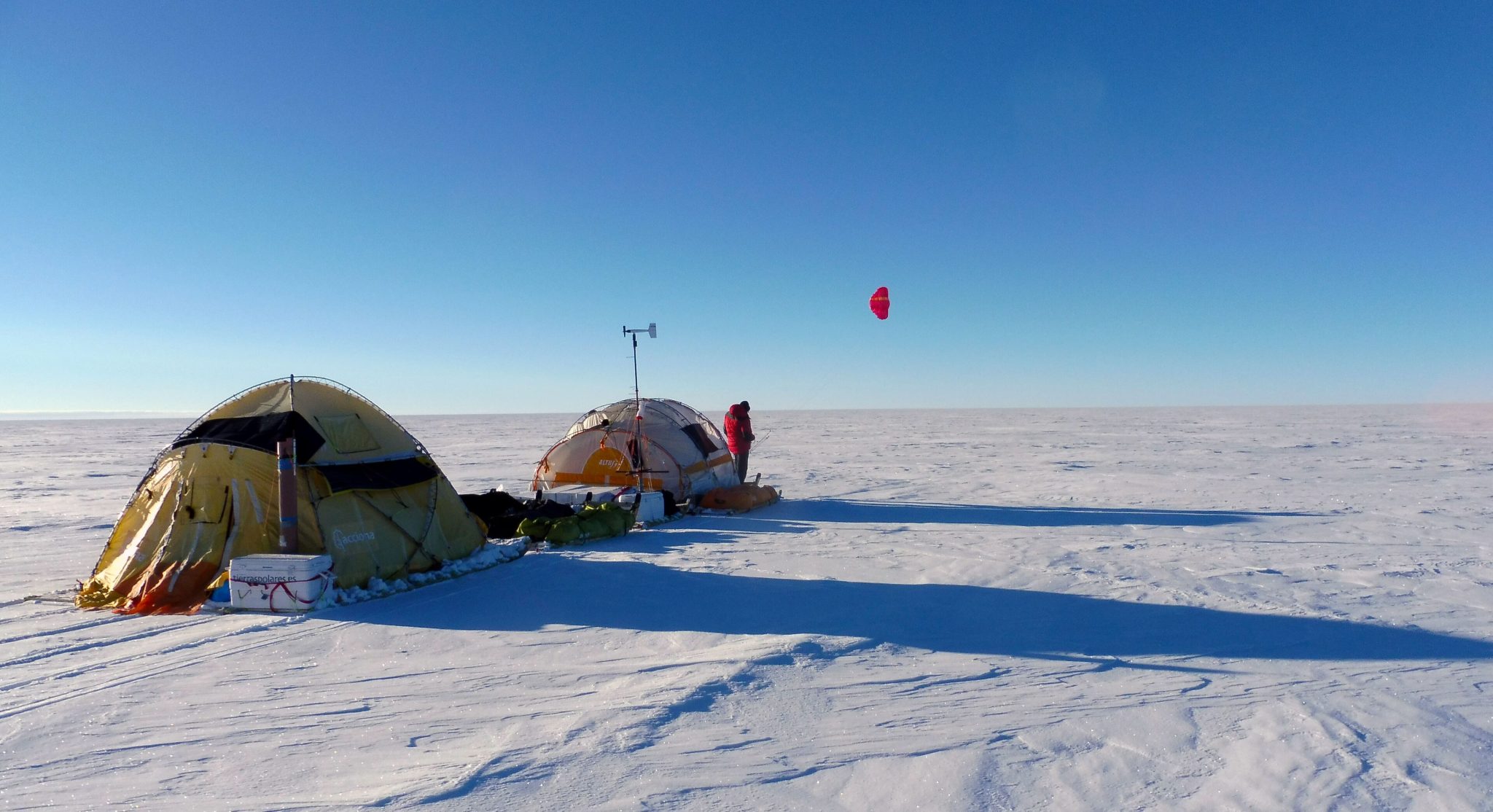
The Trust’s research has taken them all over the world. From finding Oryza glumaepatula, a wild rice species in Latin America to searching the foot of the Himalayas on elephant back, these adventurers are finding the keys to feeding future generations.
Without these critical wild samples, the world would likely be unable to protect and adapt its crops to the challenges caused by climate change and growing food demands.