Florida’s iconic citrus groves have been a symbol of the state for generations. That’s why it’s extra sour that the future of the crop is in danger due to an agricultural parasite. Fortunately, canine helpers may be able to save the day.
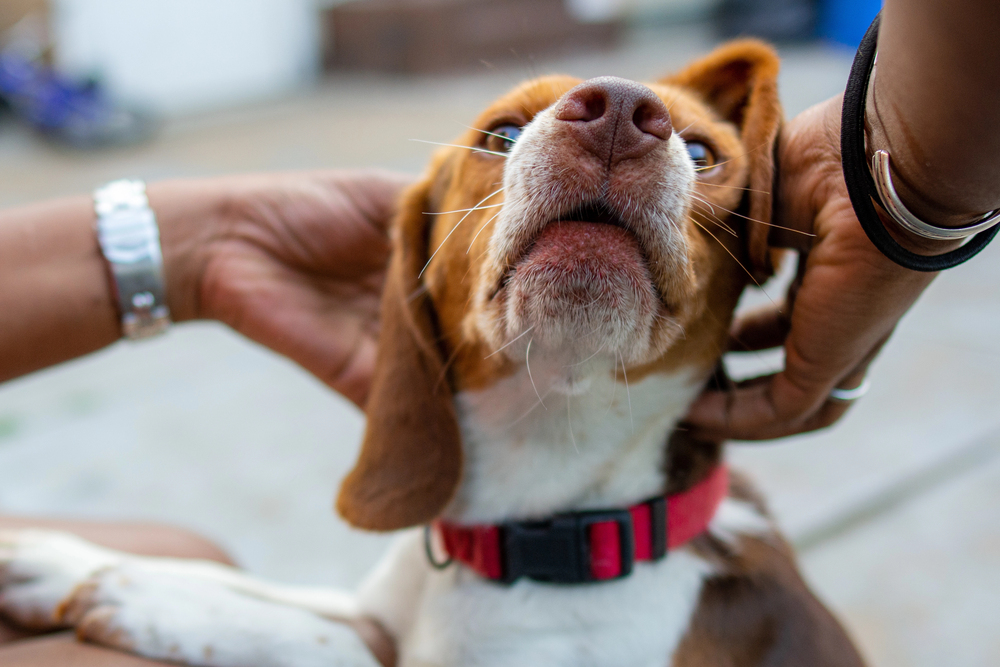
Huanglongbing, or HLB, is a bacterium that prevents fruit from ripening and has caused a 75 percent decline in the state’s 9 billion dollar citrus industry since 2005. The good news is that specially trained dogs are able to sniff out the presence of the disease with 99 percent accuracy. This information allows farmers to pull out infected trees before the insect-borne disease spreads to entire groves and helps farmers across the state track the spread of HLB.
It takes about 3 seconds for the dogs to sniff out the presence of HLB, and they are able to detect the presence of the disease before visible signs appear on the fruit. Especially in an age where pesticides are so often used to quell parasites, the ability to use dogs to save the citrus groves is a great solution for Florida farmers and orange lovers everywhere!