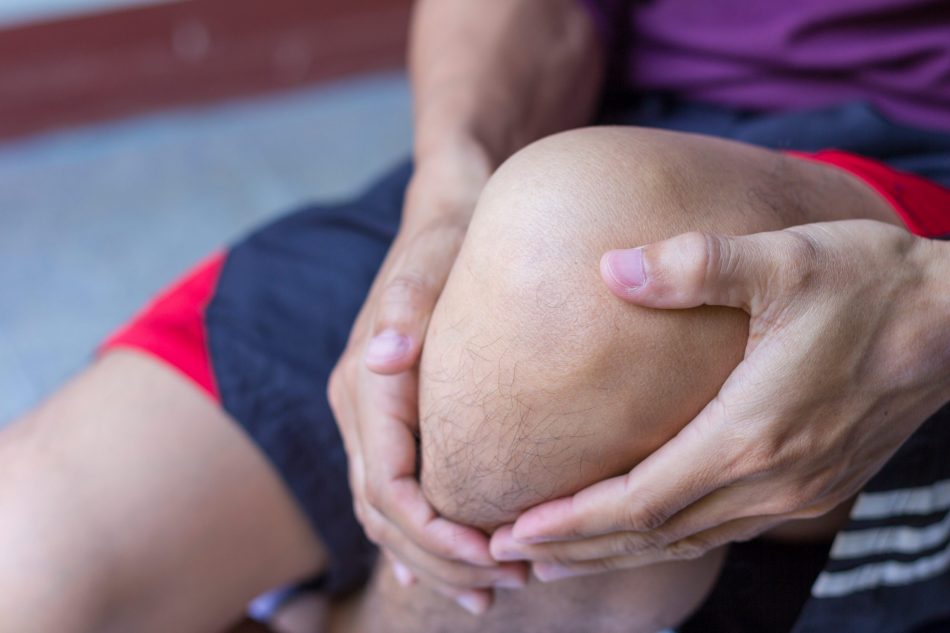
Out of all the parts of the human body, the knee is perhaps the most infamous for its susceptibility to wear and tear. Surgeries to remove some of the damaged meniscus—the rubbery cartilage in the knee— is not uncommon amongst older adults, but the good news is that there’s a promising alternative on the horizon.
In a study out of the Wake Forest Institute for Regenerative Medicine, researchers demonstrated a new method for 3D bioprinting structures that can replace damaged cartilage in the knee. Using several newly created hybrid bioinks, the researchers printed an entire knee’s fibrocartilage tissue layer by layer.
As reported in New Atlas, the first bioink was a composite gellan gum and fibrinogen ink, which encourages the body’s own cells to repopulate. The second bioink is a silk fibroin methacrylate, which helps keep the structure strong and flexible.
In lab tests using pig cells, the team found that the cells were able to proliferate and remain viable, while the structure itself stayed biomechanically sound. Follow up experiments involved implanting the printed structures into mice, and observations during the 10 weeks after surgery showed that the mice began to regenerate their own fibrocartilage as hoped.
Moving ahead, the team will conduct more studies to investigate what kinds of responses the body might have to the implant, whether it restores function to the joint, and of course whether the results translate to humans.