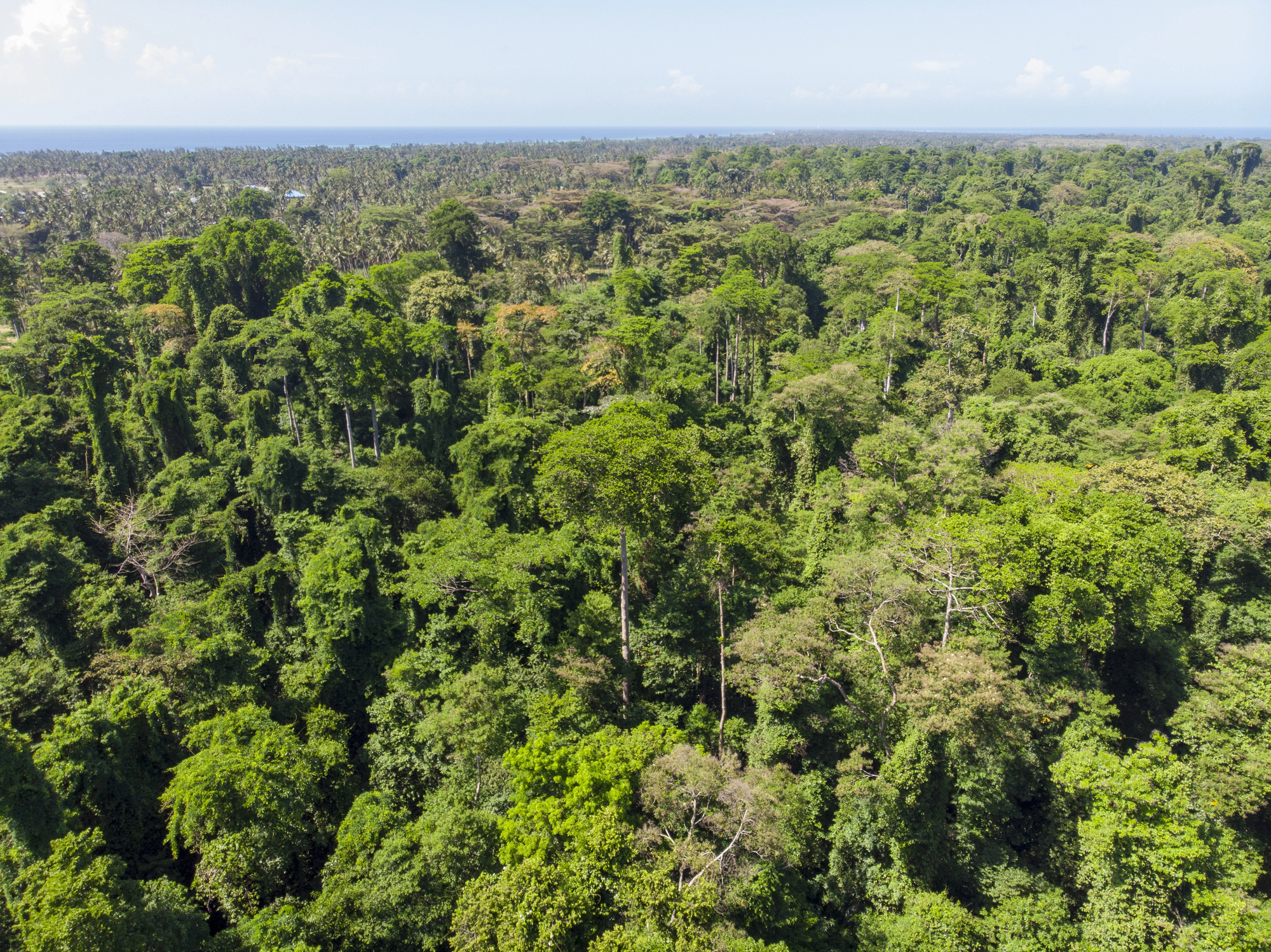
Sometimes we feel on top of the world. Our focus is sharp, our creativity is flowing, and nothing can stop us. But then there are times where we fall into a slump—where we can’t figure out how to climb back to that peak level of creativity. While we can’t just force ourselves out of a creative slump, there is a simple hack to get your creativity churning once more: looking at wide distances.
According to New York Times bestselling author Steven Kotler, looking at very wide settings that trigger your peripheral vision, such as the skies above, can activate the parasympathetic nervous system. Sometimes called the rest and digest system, the parasympathetic system conserves energy as it slows the heart rate and increases gland activity.
In a study, participants reported that when they were engaged in thought, they tended to fixate on an “empty portion of the visual field,” like a blank wall or at the sky out the window. This wasn’t because they were zoning out: by choosing to look at wide, blank spaces, the participants reduced the cognitive load on their minds, allowing them to be more efficient with their thinking and problem-solving.
If you think about it, looking at wide spaces is the opposite of tunnel vision, which is associated with the flight-or-fight response. When tunnel vision occurs, your eyes take in more light so that you can see the “threat” better, allowing you to zero in on whatever stands before you. It doesn’t leave much room for creativity.
On the other hand, wider views that open your peripheral vision can also open up your mind, speeding up neural processing, and enhancing creativity. This idea might help to explain why offices designed with open spaces have been shown to alleviate stress and promote collaboration.
The next time you find yourself in a creative rut, try taking Kotler’s advice: find a place where you can peer out at a wide landscape. “When I’m stuck creatively, I’ll always go hike with my dogs into the backcountry for half an hour, and then come back to the problem,” said Kotler, who is also the executive director of the Flow Research Collective.